
GDJYB's Soni Cheng on Long-Distance Music Making and Finding Home Between Hong Kong and Taiwan
Written by Shin Hyunjoon (@hyunjoon.s)
After nearly a decade away from Korean stages, Hong Kong indie band GDJYB made their long-awaited return to Seoul for the Asian Pop Festival 2025. The band, whose name derives from the Cantonese dish "gai dan jane yuk bang" (雞蛋蒸肉餅), has weathered significant changes since their last Korean performance—including members relocating across borders and navigating the evolving landscape of Hong Kong's music scene.
"Yes, it's been a decade! We really miss Korea!" exclaims vocalist Soni Cheng when asked about their return. "The biggest difference is that two of our members, including me, have moved to Taiwan after COVID. So now we are having a long-distance relationship with each other."
This geographic split has fundamentally transformed how GDJYB operates as a band. For their Asian Pop Festival performance, they had to adapt their usual workflow entirely. "We come earlier to Seoul to rehearse for Asian Pop Festival, which is a unique experience," Cheng explains, highlighting how what was once routine band practice has become a special occasion requiring international coordination.
GDJYB built their reputation on emotionally charged indie rock anthems like "Street Fighters" (2016) and "Why Don't You Kill Us All?" (2018), songs that captured intense feelings of youth and urban alienation. When asked about moving forward after expressing such raw emotions, Cheng offers a refreshingly candid perspective on their creative evolution.
"We didn't ever think about this question, cos we were just expressing ourselves and trying to do experiments on our music," she says. "You may find our style varies with different songs. In different stages, we might want to try different approaches. But are we moving forward? Maybe we sometimes step backwards!"
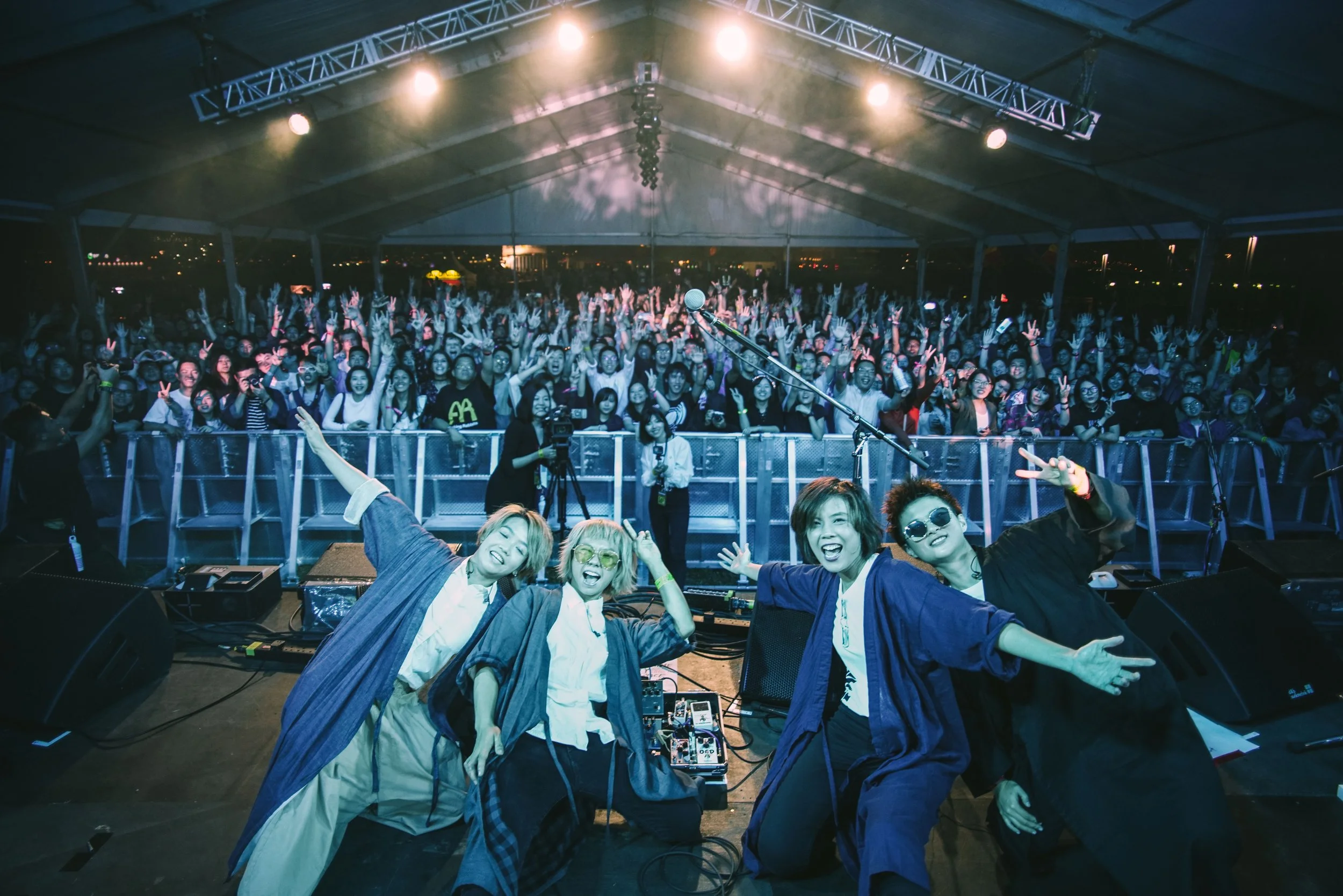
This honest admission reveals a band unafraid to challenge conventional notions of artistic progression, treating their musical journey as an ongoing experiment rather than a linear path toward some predetermined destination.
The band's unusual moniker has long puzzled fans and journalists alike. While their name references a Cantonese steamed egg and meat patty dish, the romanisation GDJYB doesn't match standard transliteration systems—a choice that Cheng explains reflects Hong Kong's unique linguistic landscape.
"It's actually Cantonese, but non-official Cantonese," she clarifies. "Not many Hongkongers know the official Cantonese Pinyin, but we have our own way of spelling the words we know. For example, 'lol', 'XD', these are not official English, but people commonly use them on the internet. GDJYB comes from Gai Dan Jane Yuk Bang."
This vernacular approach to language mirrors the band's broader artistic philosophy—authenticity over convention, cultural reality over official standards.
Despite the challenges of maintaining a band across borders, Cheng is clear that GDJYB never truly disbanded. "We didn't disband, actually, but just took a very long break," she explains. "Now we think it's time to complete something that we started a few years before, the album. And the return of the first Korea show since 2019, we are really excited to bring new songs to our old friends in Korea."
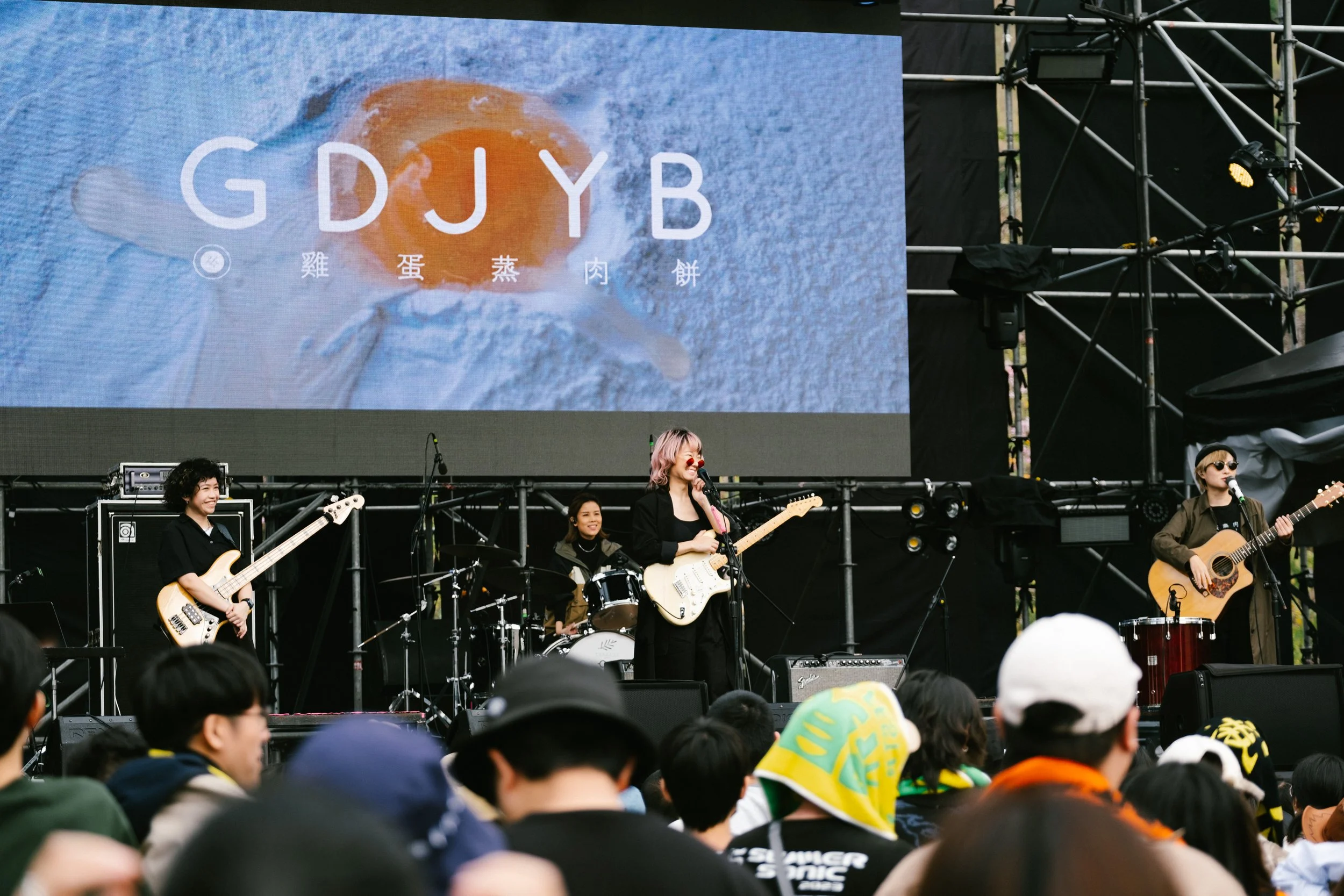
Her personal journey between Hong Kong and Taiwan reflects a broader nomadic tendency that fuels her creativity. "Yeah, we will definitely move between the two places. I think I am born to be a nomad," Cheng says. "Staying in different environments gives me new ideas and a blast."
When asked to compare the music scenes in Hong Kong and Taiwan, Cheng provides a diplomatically nuanced response that nonetheless hints at the changing realities facing Hong Kong artists. "Well, this is a difficult question for me...I think every place has its own music culture or challenges," she begins carefully. "I would say the taste of music varies in different cultures. Taiwan has its own unique voice, and so does Hong Kong."
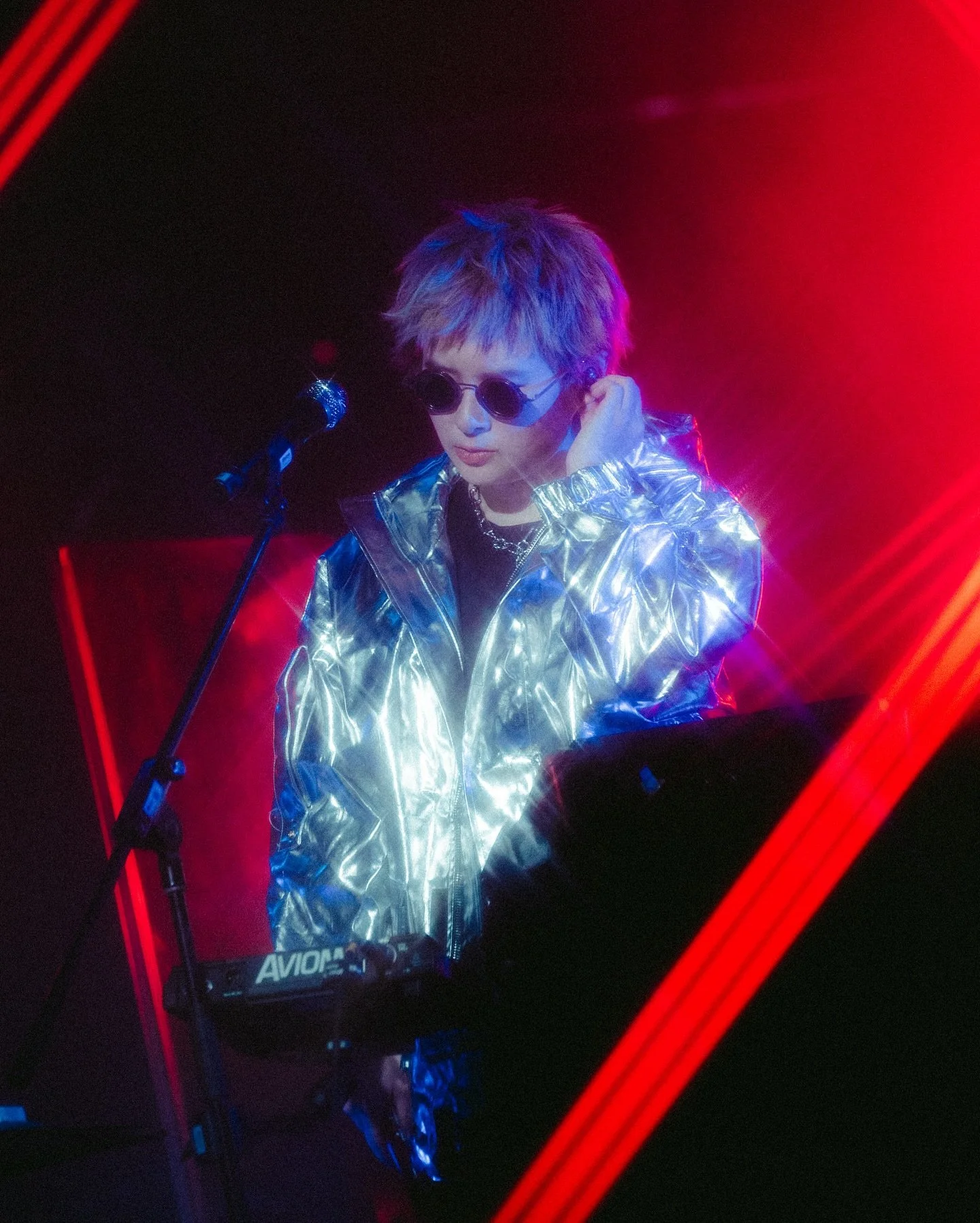
However, she acknowledges a shift in Hong Kong's environment: "But now there are more concerns and restrictions on making music in Hong Kong. So, somehow, I could say Taiwan might be more open?"
Perhaps most fascinating is GDJYB's commitment to what Cheng calls "Honglish"—a linguistic choice that creates both connection and disconnection with their audiences. "We actually write our songs in Honglish (Hong Kong English). We think it's a unique language telling people where we're from, and it's a cultural thing," she explains.
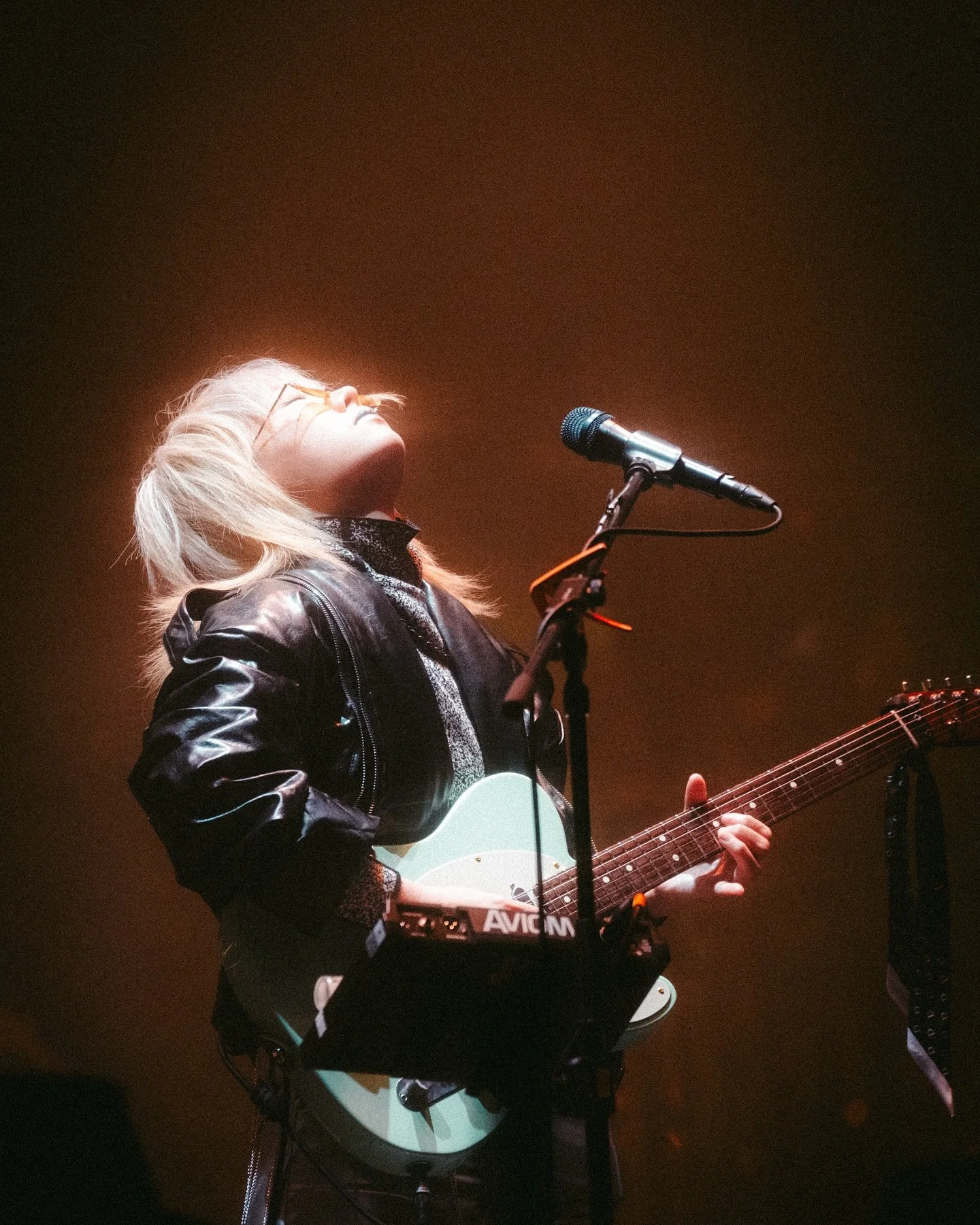
"Hong Kong was an international city; she doesn't have much traditional cultural stuff, but Honglish. Sometimes only Hongkongers understand the inside jokes," Cheng continues. This creates an intriguing paradox: "But the funniest thing is, because of the music style, not many of our audiences are Hongkongers."
This disconnect between cultural identity and audience reception speaks to the complex realities of creating art in an increasingly globalised world, where staying true to one's roots doesn't necessarily guarantee connection with one's local community.
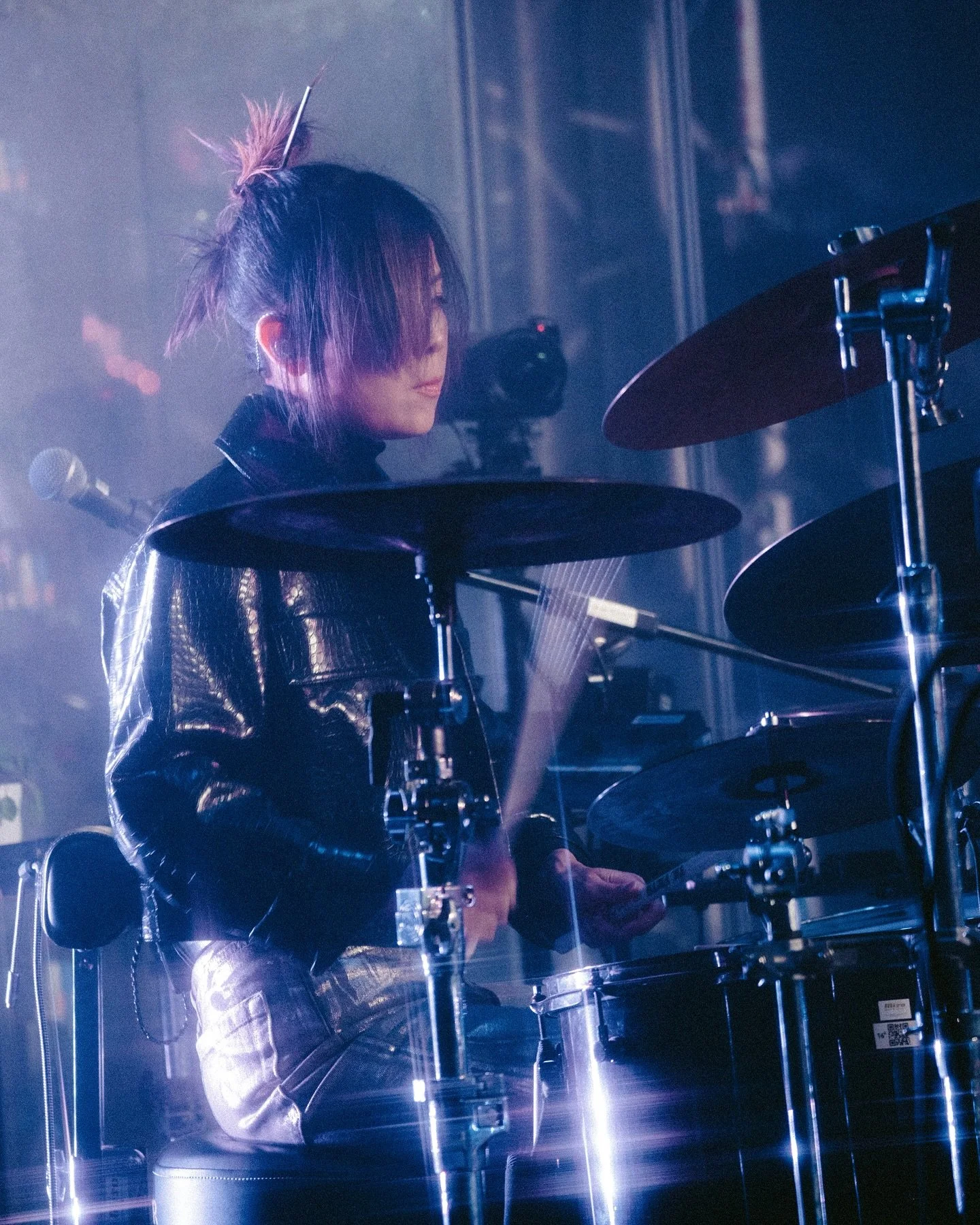
The band's return to Seoul holds special significance, representing both nostalgia and new possibilities. "We are grateful to play in Asian Pop, cos we really wanted to come to Korea again!" Cheng says enthusiastically. Despite language barriers, she emphasises the universal connection created through live performance: "Perhaps we don't understand each other, as we don't speak Korean, but the audiences in Korea are so nice and enthusiastic, and we thoroughly enjoyed the time we spent playing in Korea!"
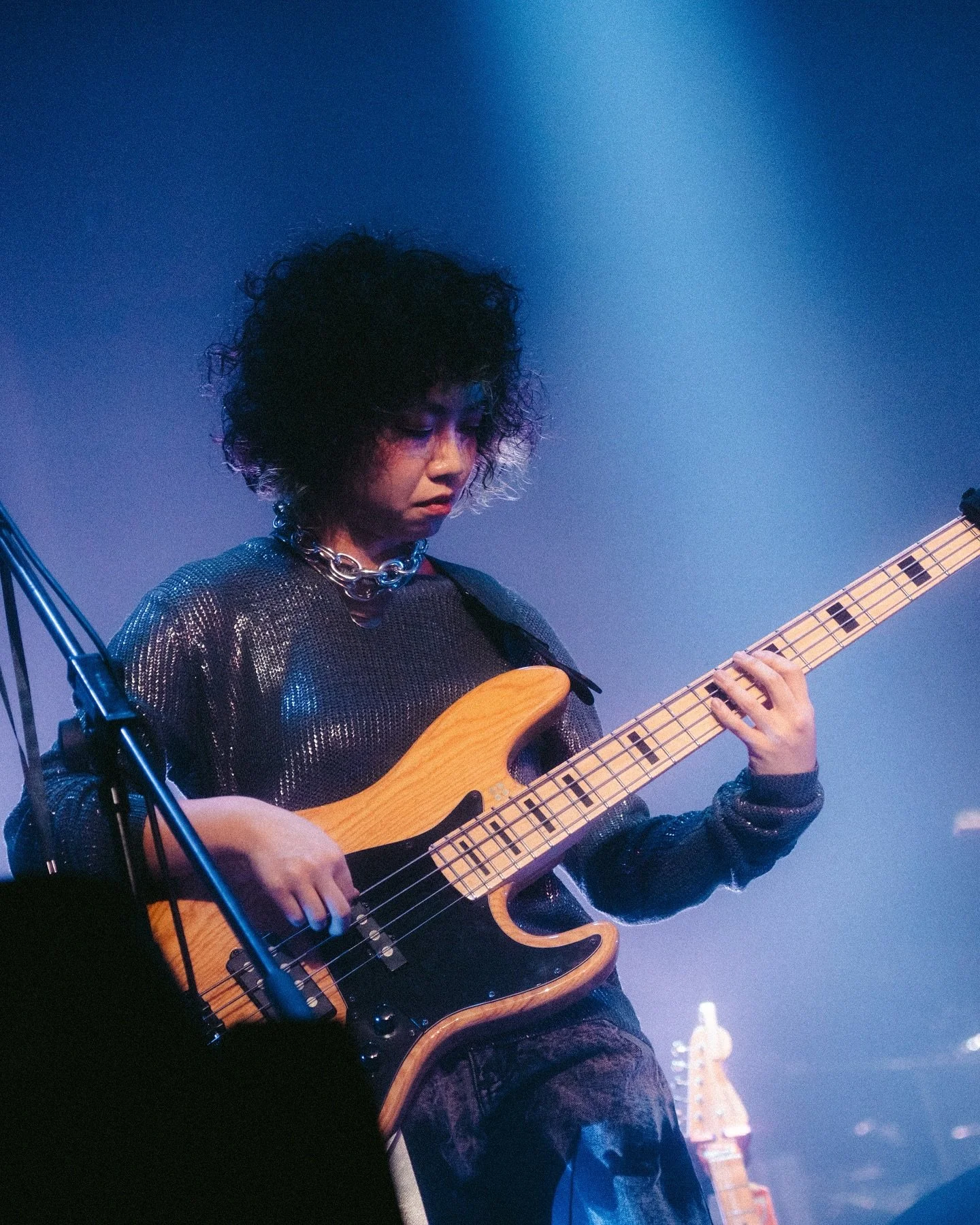
As GDJYB continues their cross-border creative journey, they embody a new model of musical creation that reflects our increasingly connected yet fragmented world. Their story—told largely in Cheng's own words—reveals how artists today must navigate not just creative challenges, but geographic, political, and cultural complexities that previous generations could hardly imagine.