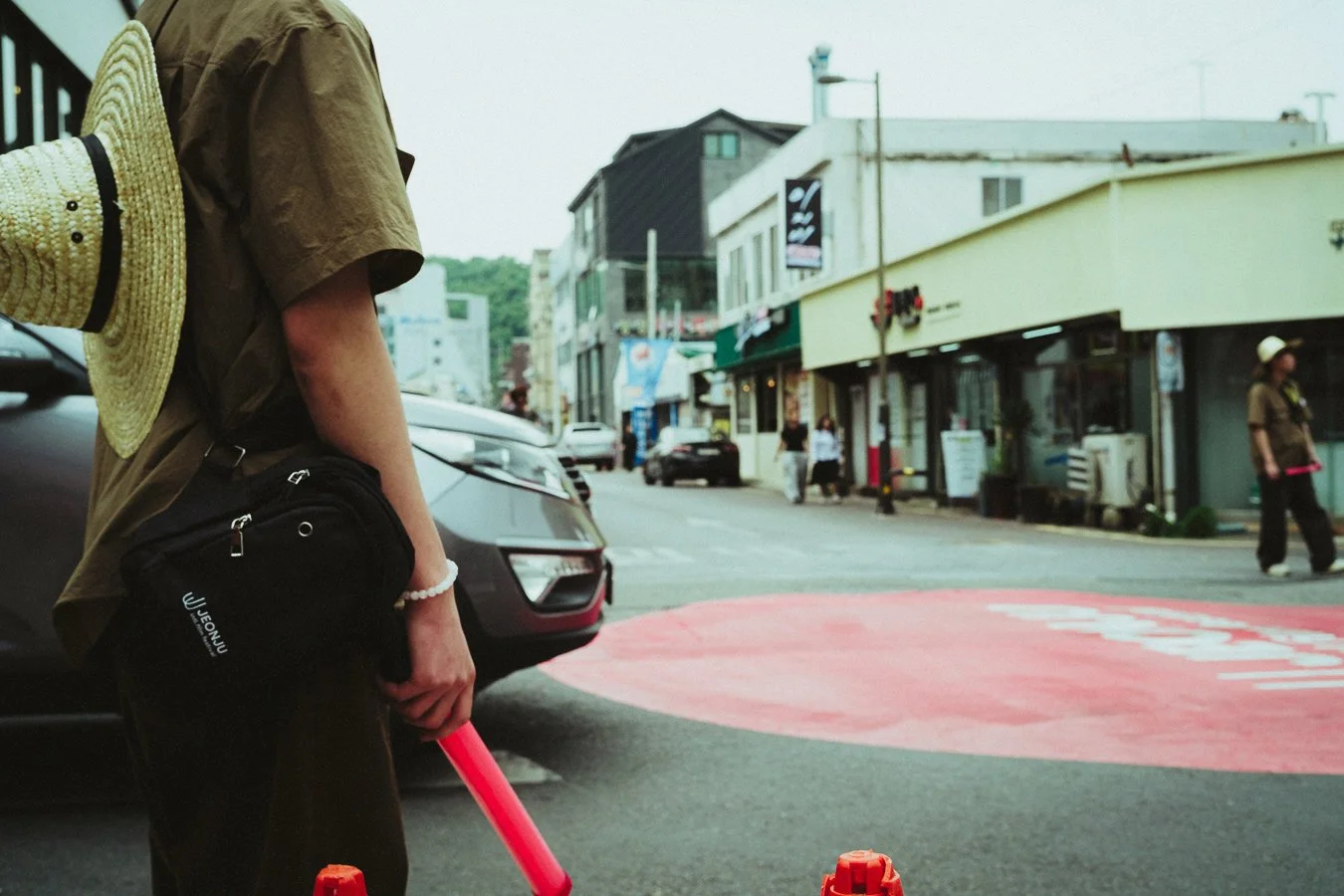
Jeonju International Film Festival is a success with over 200 films - review
Words and pictures by Christian Mata (@chris_isu_m)
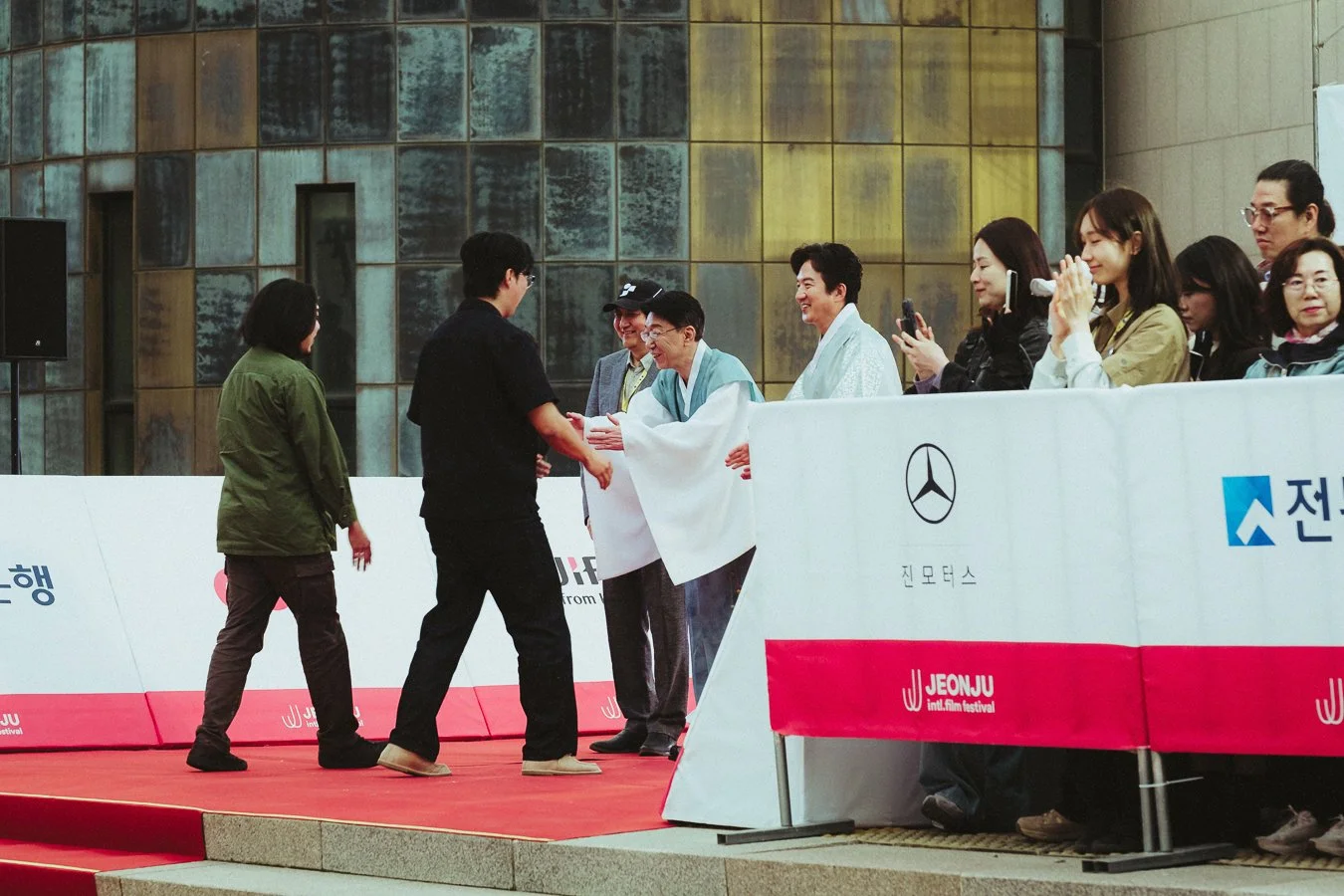
One of Korea's longest-running film festivals, Jeonju International Film Festival (JIFF), presented more than 200 films from over 50 countries this year. The opening ceremony came complete with a proper red carpet, a slew of coverage, and actors and directors from all over in formal evening wear, yet the charm of Jeonju was still front and centre. Held at Jeonju's historic Sori Arts Centre, some attendees even donned hanbok.
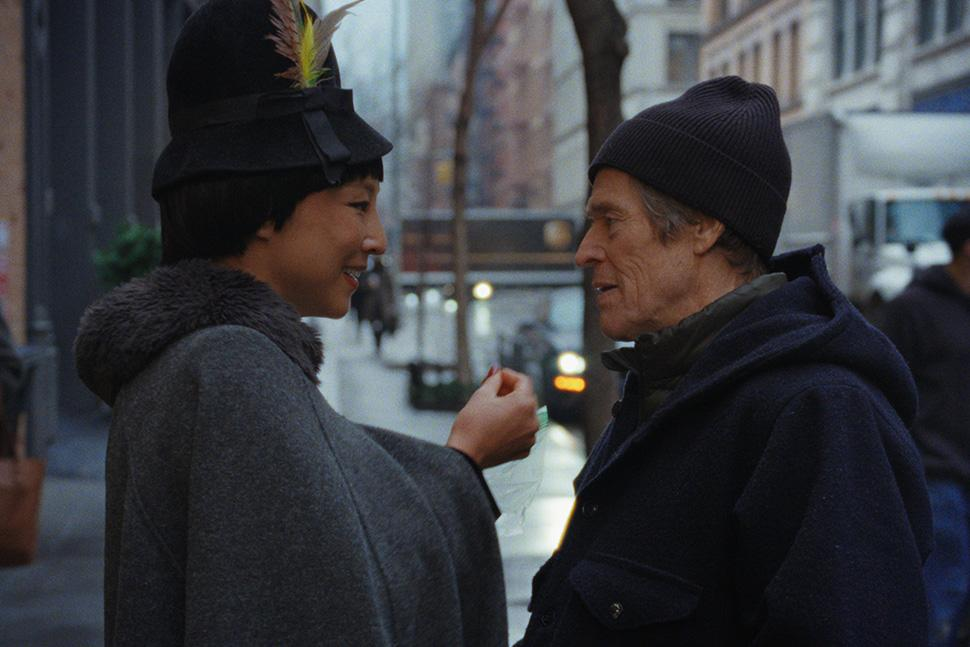
The head-turning guests of the opening ceremony were no doubt director Kent Jones and actor Greta Lee, whose feature Late Fame (2025) was selected as the opening film this year. Late Fame casts Willem Dafoe as Ed Saxberger, an aged New York poet-turned-postal worker who is confronted with newfound responsibility as a mentor. Its observance of the life of an artist is bleak at times, but not without wry humour (an admirer calls Saxberger "a man of letters"). Opposite Dafoe's impeccable performance — he hasn't let his recent turns as a larger-than-life vampire hunter or a mad scientist temper his quiet power — is Greta Lee, enchanting as a singer, actor, and leader of the eager poet mentees. The starpower on display doesn't take away from the believability of this small New York tale of the artist's struggle.
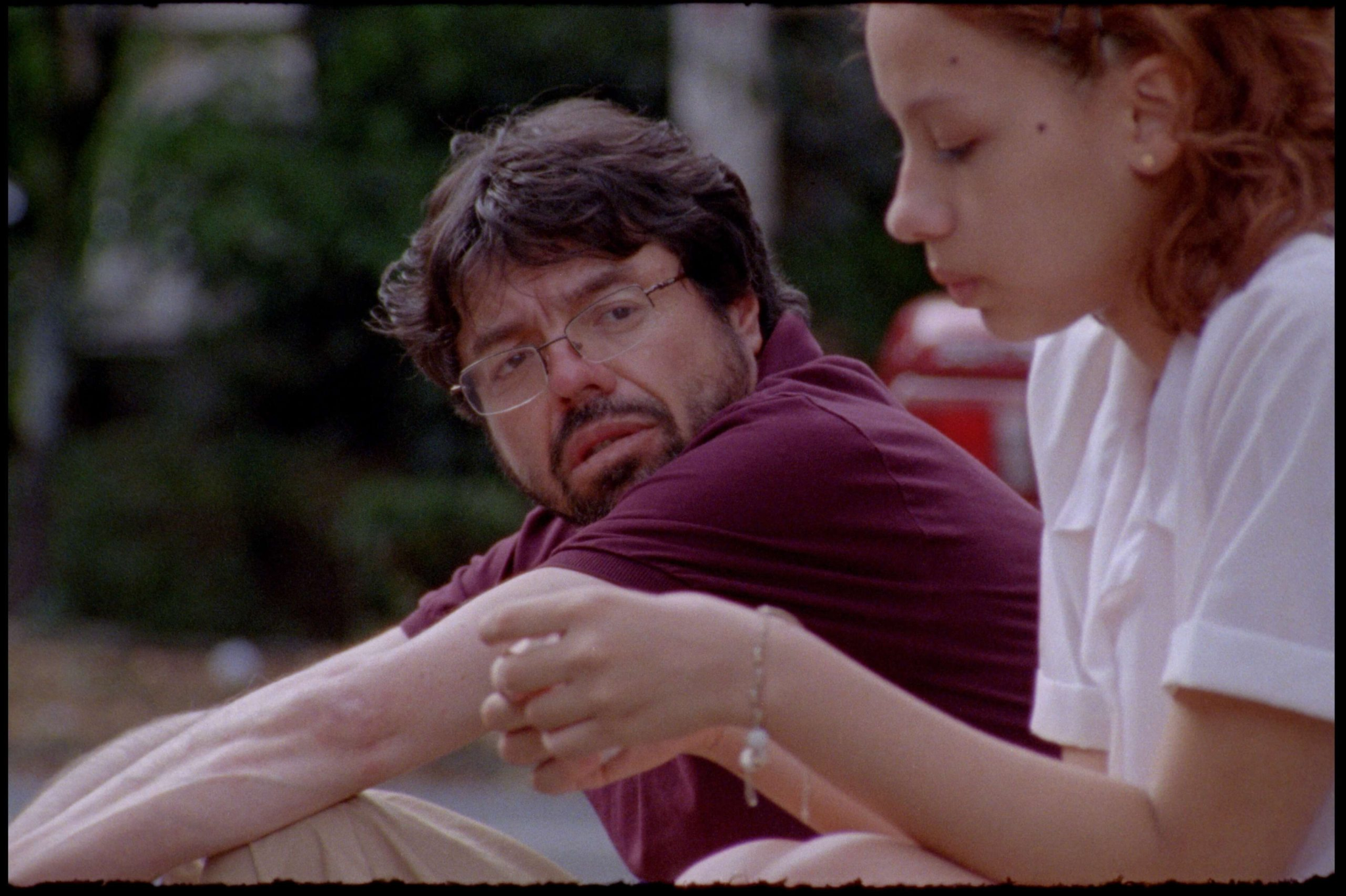
If Late Fame is the understated story of a poet ready to go gentle into the night until a group reinvigorates him, Simón Mesa Soto's Un Poeta (2025) is the story of a poet with rage rejecting that life completely and very loudly. Featured in the World Cinema section of JIFF, Ubeimar Rios' Oscar Restrepo in Un Poeta is Caulfieldesque in his uncompromising views; he's pronounced and vocal about the injustice done to poets who never received the recognition they — and he — deserved. His intensity leaves him ostracised and erratic; he lives with his mother as a bitter layabout whom people talk about more than to, until he finds a prodigy. Will he be able to guide her, lest she become him? Between the two films of poets' woes, Un Poeta is more slapstick and theatrical in its approach (there are even title cards for each chapter), but both succeed in their goal. In an age where the saturation of words is only threatened by the abundance of chatbots and LLMs, the careful tinkering of language by humans deserves recognition.
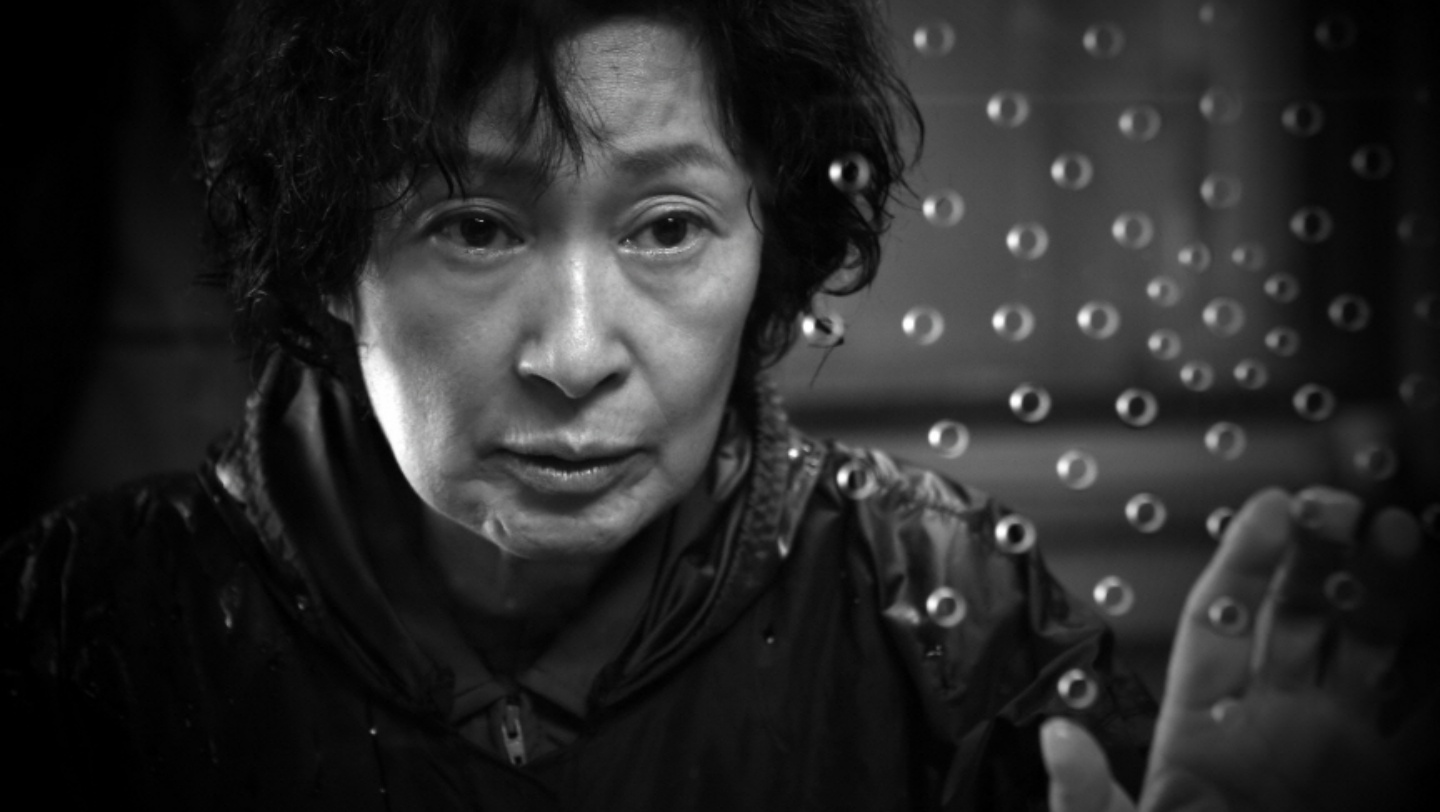
A special black-and-white cut of Bong Joon-ho's Mother (2009) found its way to the festival — a rare treat. The auteur has had ties with JIFF for many years, even before he shot a good portion of Parasite (2019) in the city. It's hard to pick the best Bong Joon-ho film from a catalogue of moving and creative works (hard but not impossible: if you picked the one about a super pig or a train, that says a lot about you). With that said, Mother holds a special place in the artist's pantheon. Released between his most famous pre-Parasite works, The Host (2006) and Snowpiercer (2013), Mother feels like a spiritual reimagining of his earlier Memories of Murder (2003). Focusing on a mother trying to clear her son's name of murder rather than detectives trying to catch a killer, the film takes bolder leaps in its editing and cinematography than his earlier murder mystery. Dreamy dance sequences in a field, flashes of the mother's point of view, masterful framing throughout — it remains one of his most poetic and daring films. Kim Hye-ja's performance as the unnamed titular mother is extraordinary. In monochrome, the flickers of guilt, pain, and anger across her face are all the more striking.
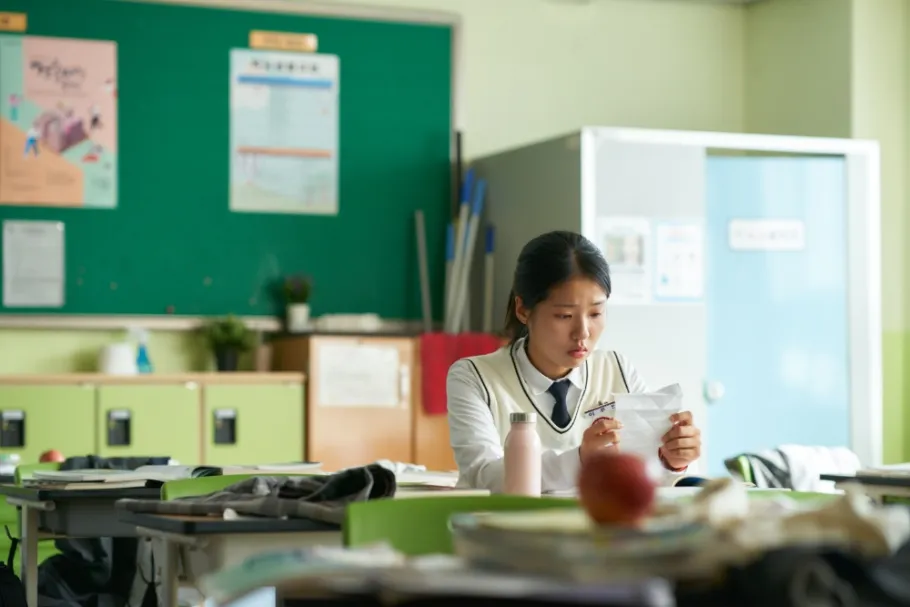
With actor Yoon Jong-hoon serving as Barrier-Free Ambassador, select films were shown with enhanced subtitles for the hearing impaired that go beyond dialogue, alongside audio description for the visually impaired. Yoon Ga-eun's World of Love (2025) was one of the films featured in this section and also included a guest appearance from actor Lim Jaehyuk. Yoon Ga-eun's work often portrays the lives of young women in society — The World of Us (2016) and The House of Us(2019) both focus on young girls' struggles with friends and family. World of Love deals with sexual assault, how that experience stays with someone, and how they find a way to keep going. Opening as a high school drama about grades, friends, and dating, there's a dramatic shift when Lee Joo-in publicly opposes a school petition that frames sexual assault survivors as people who never recover, and in doing so outs herself as a survivor. Some friends cast doubt, some become overprotective, and it reaches a gut-wrenching peak at a carwash. Seo Su-bin's performance is incredible throughout, balancing joy and pain with power and humour, but it's the carwash scene that will stay with viewers - affecting and profound.
JIFF highlights that curse and blessing of a film lover: there's always more to see. The festival closed with the documentary The Longest Night: Namtaeryeong (2026), highlighting how citizens across demographics came together to protest against the actions of disgraced former president Yoon Suk-yeol - LGBTQ+ members, rural elderly farmers, and young women forming a united front. Though no special section was dedicated to it, JIFF often includes films that centre LGBTQ+ lives. What's especially lovely about this year's queer darling, Ideal and Weird Family (2026), is that it doesn't treat the characters' sexual identity as the issue or the story — it's a story of divorce; the spouses just happen to be wives. There were still more documentaries, avant-garde pieces, and sweeping dramas to see at JIFF, but there was also a celebration beyond the celluloid.
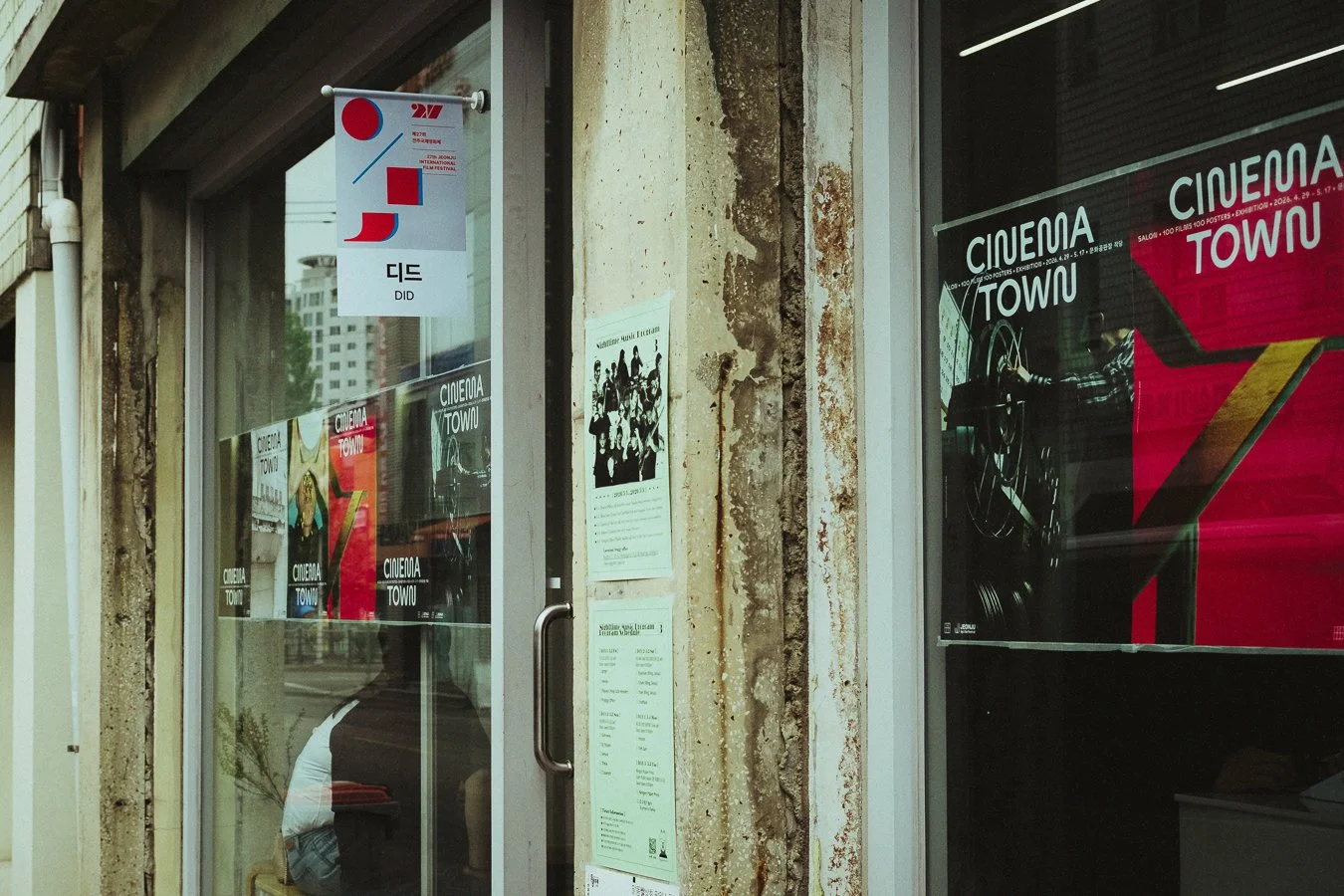
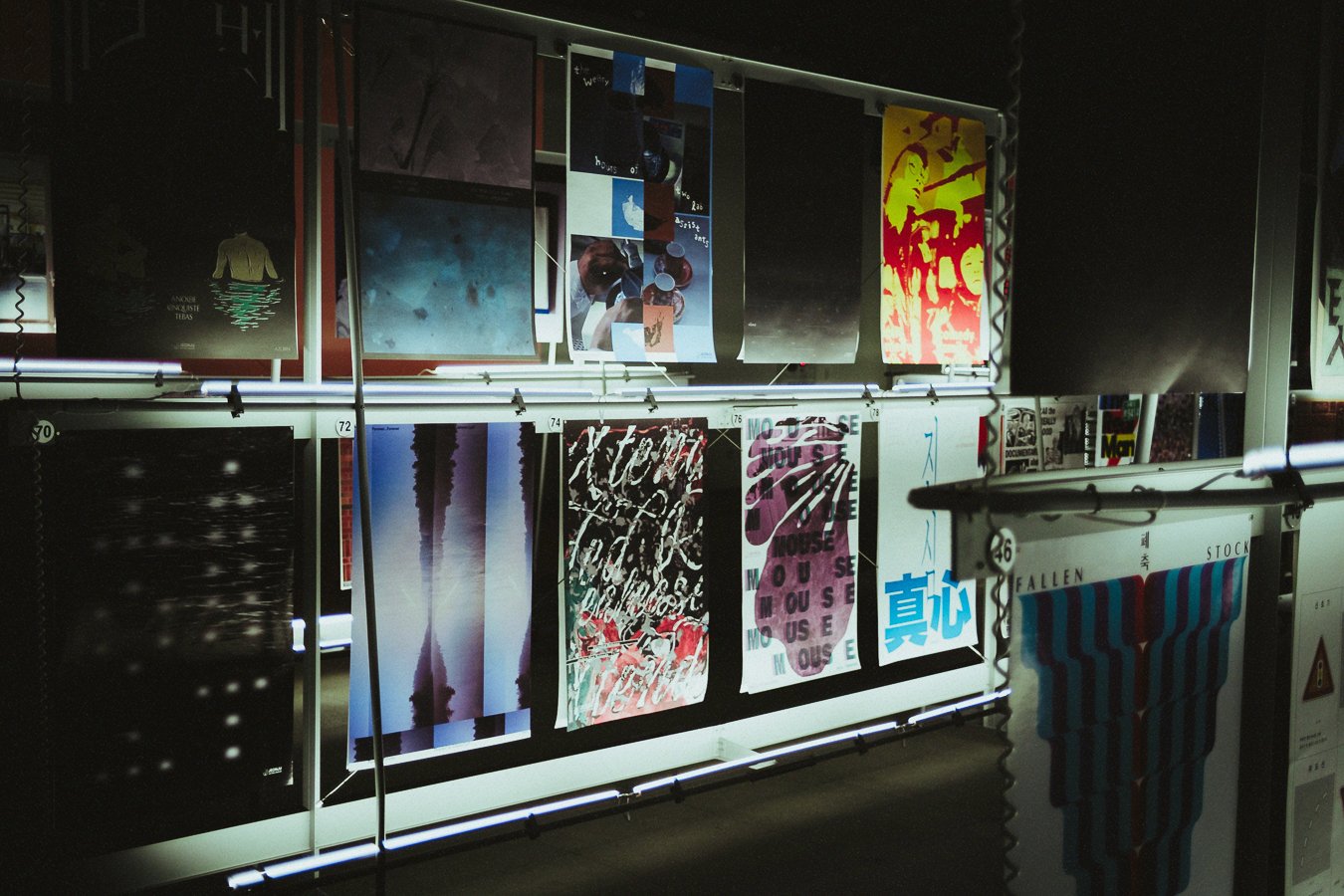
The gift shop had the expected assortment of keyrings, eco-friendly bags, shot glasses, and so on — a nice treat for fans and travellers. A glaring absence was the usual JIFF enamel pins, which reimagine major festival film posters in a minimalist design and are often a collector's delight. Still, there were plenty of film posters to see across the festival. The 100 Films 100 Posters exhibition gave visitors a peek at storytelling through visual design. Some posters are admittedly art for art's sake, but that's part of the treat. They were displayed both on the main film street where the box office and theatres are (film waits for no one) and more comfortably in various exhibition halls across Jeonju, including Subculture Center JAKDANG, which overlooks Jeonju's iconic Nambu Market.
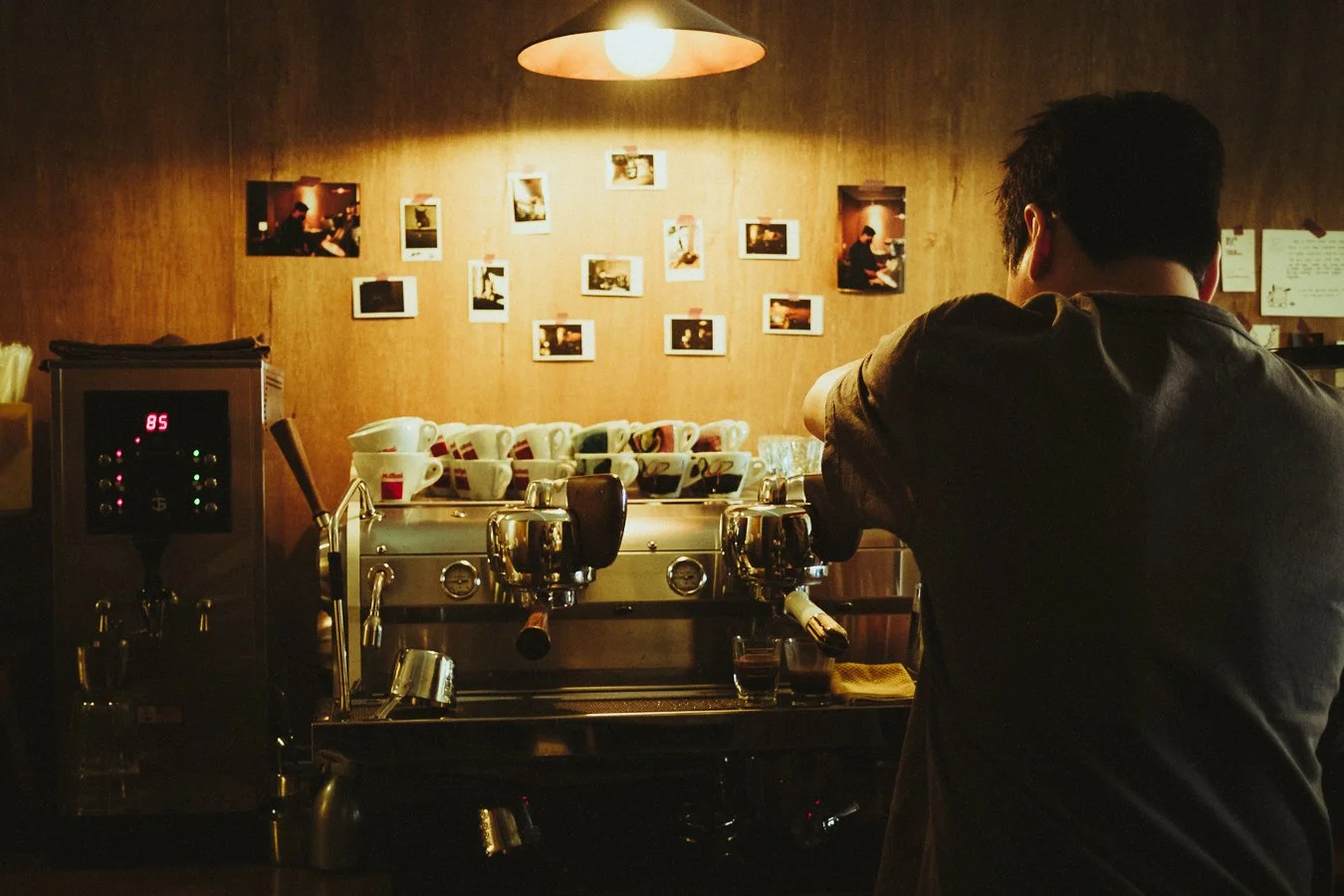
The festival was also a fine opportunity to test Jeonju's claim as the food capital of Korea — and it's not just food; Jeonju handles every aspect of taste, including coffee and drinks. DID has been the official coffee provider of JIFF since it opened in 2021. The café usually offers seasonal menus with a slight twist on classics — adding cinnamon to a chocolate espresso, for instance — but their special JIFF menu was their most experimental yet, with a mango orange base coffee and a berry einspänner. Café Nick, on the other hand, offered standard fare for those needing a quick Italian espresso fix. For those who imbibe, Bar Cold Dawn — Korea's best bespoke cocktail bar — is a must for cocktail lovers. After telling owner 강나위 which flavours you like (any food or beverage, not just cocktails) or how you want to feel, she'll make you a custom cocktail. The only menu is an assortment of sorbets, which sometimes includes a mangonada Mexican sorbet with homemade chamoy. On the food side, there was a curious lack of Korean food representation — is Jeonju so sure of itself that it doesn't need to advertise any particular Korean restaurant? Either way, the official JIFF partner eateries leaned heavily towards brunch, ramen (Japanese-style, not ramyeon), doughnuts, crêpes, and Neapolitan pizza.
JIFF's music programme usually features bands, but this year festivalgoers were treated to Cinema Paradiso — film soundtracks performed at the Hanok village by pianist Oh Eunha. Outside organisers also put on their own entertainment. Local frog memorabilia trove and occasional venue Froggy Office hosted a series of DJ sets, including Seesea, miedo, DJ Yesyes (Park Daham), and the owner himself. Cashtray, DJ and Jeonju Urbanstriker event organiser, also held a DJ set with friends at Haesangdo during the festival week.
The reality of a cinephile's life is that we can't see it all. Of the hundreds of films shown, only a handful can realistically be seen — maybe a dozen if you happen to take time off. But there's still something magical about being in the city during the film festival. For ten days, Jeonju is transformed into a film city where the streets bustle with crowds clutching pamphlets, festival bags swinging as they stumble between ten-hour movie marathons and do a double take at every 맛집 and marquee.