
Itaewon Film Festival: 'Being together holds more value than being the same'
Written by Sean Yoo (@seanyoo_)
The founders of Seoul's newest film festival discuss creating a home for outsiders in a neighbourhood that has always welcomed difference
In a neighbourhood synonymous with diversity, tragedy, and resilience, a new cultural event is taking root. The Itaewon Film Festival, running from 13-16 November, is attempting something unusual: a film festival without a traditional cinema.
"We came up with the phrase 'A Film Festival Without a Theatre’ while struggling to find a suitable screening venue in Itaewon," explains Brittany Lee, organiser of the festival and an independent filmmaker who previously worked as a Digital Creative Lead at Outfront Media in New York. "That experience revealed a larger truth: despite its reputation as a centre for expression, Itaewon actually lacks cultural infrastructure, including cinemas. We wanted to highlight this paradox and start a conversation."
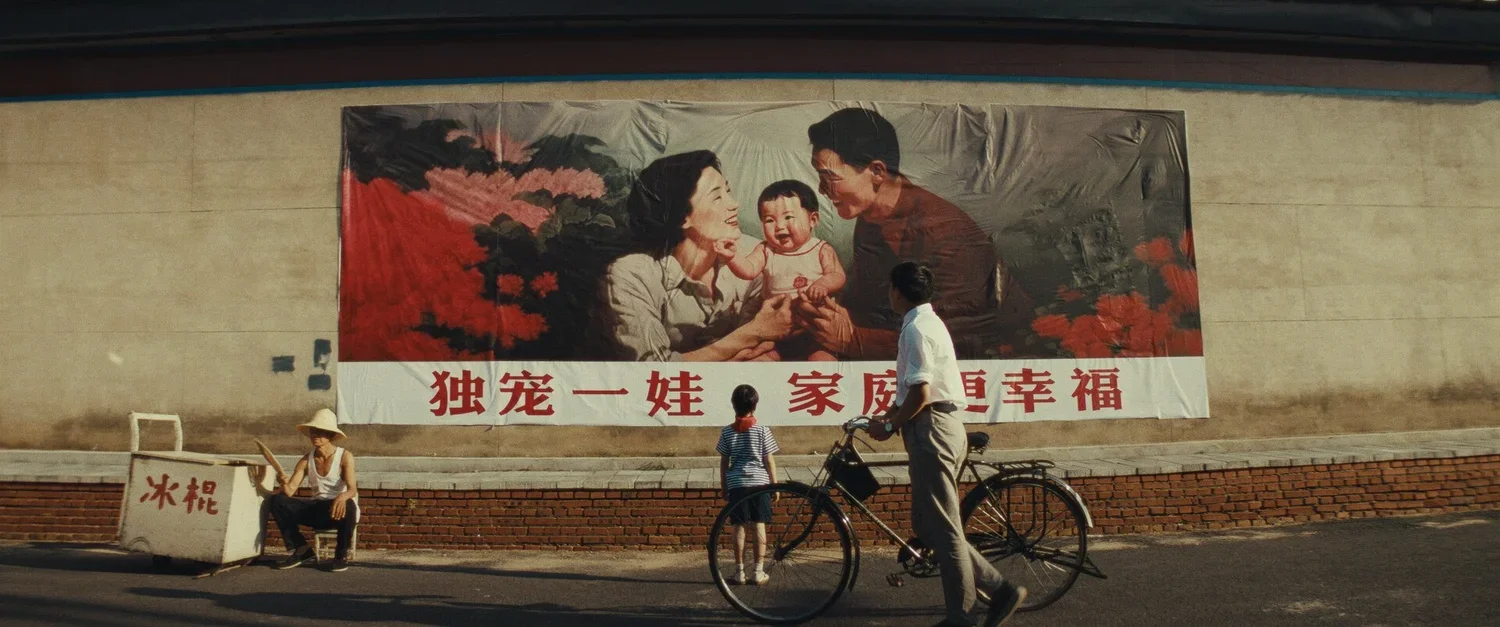
Until He’s Born (2024)
The festival's founders, Lee and Simon Chong, are long-standing members of the global entertainment industry. Chong, who previously worked at Disney and NBCUniversal on OTT strategy, now runs Moyeo, a Seoul-based video production and event planning company, while serving as an Executive Group Member at the Television Academy. Yet their vision for this festival deliberately rejects industry hierarchies.
"Unlike most festivals, the Itaewon Film Festival does not separate domestic and international entries," says Chong. "We aim to create a non-hierarchical, community-driven, and inclusive celebration, free from the formalities and hierarchies that often define the film industry."
The festival's slogan, "You're Home," emerged from philosophical questioning. "The idea for the festival began with a question: How far can the concept of 'we' extend?" Lee explains. "Following that question led us to realise that a film festival should not merely be a place to screen films, but a home where differences are respected, stories are embraced, and everyone feels they belong."
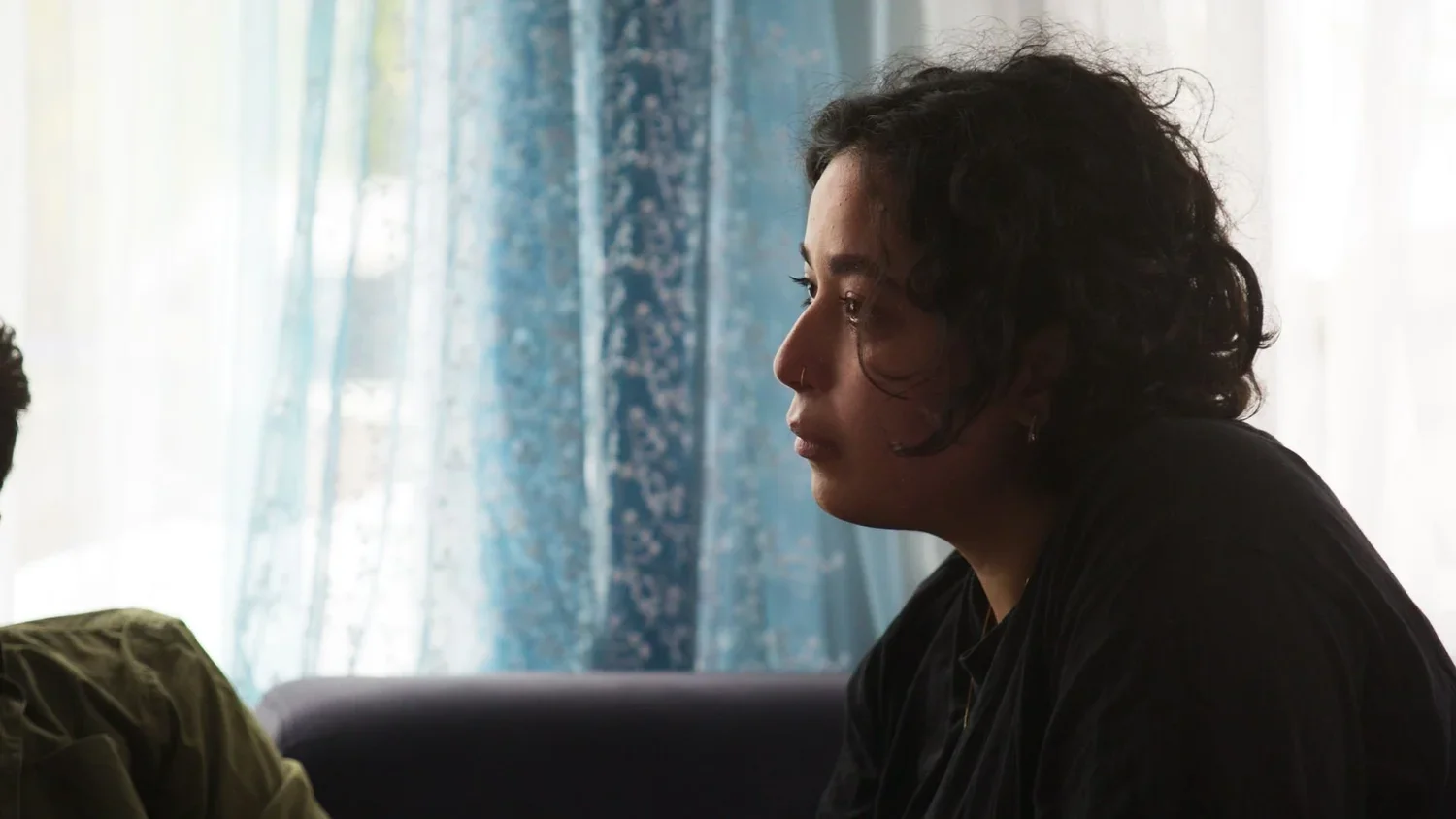
I Love You More (2024)
Itaewon itself carries profound symbolic weight. Once rejected as nothing more than a red-light district, it evolved into the unique, creative are it is today, recoginised as a haven for the LGBTQ+ and the outsider community. The choice of location, the founders insist, is deeply intentional.
"Itaewon has long been a refuge for outsiders and marginalised communities," says Chong. "Hosting a film festival here means more than showing films; it's about creating a community celebration that honours difference and coexistence."
The festival fits into a broader cultural shift happening in the neighbourhood. Festivals, like Block Party and street events, have proliferated, suggesting a community actively rebuilding its identity through celebration.
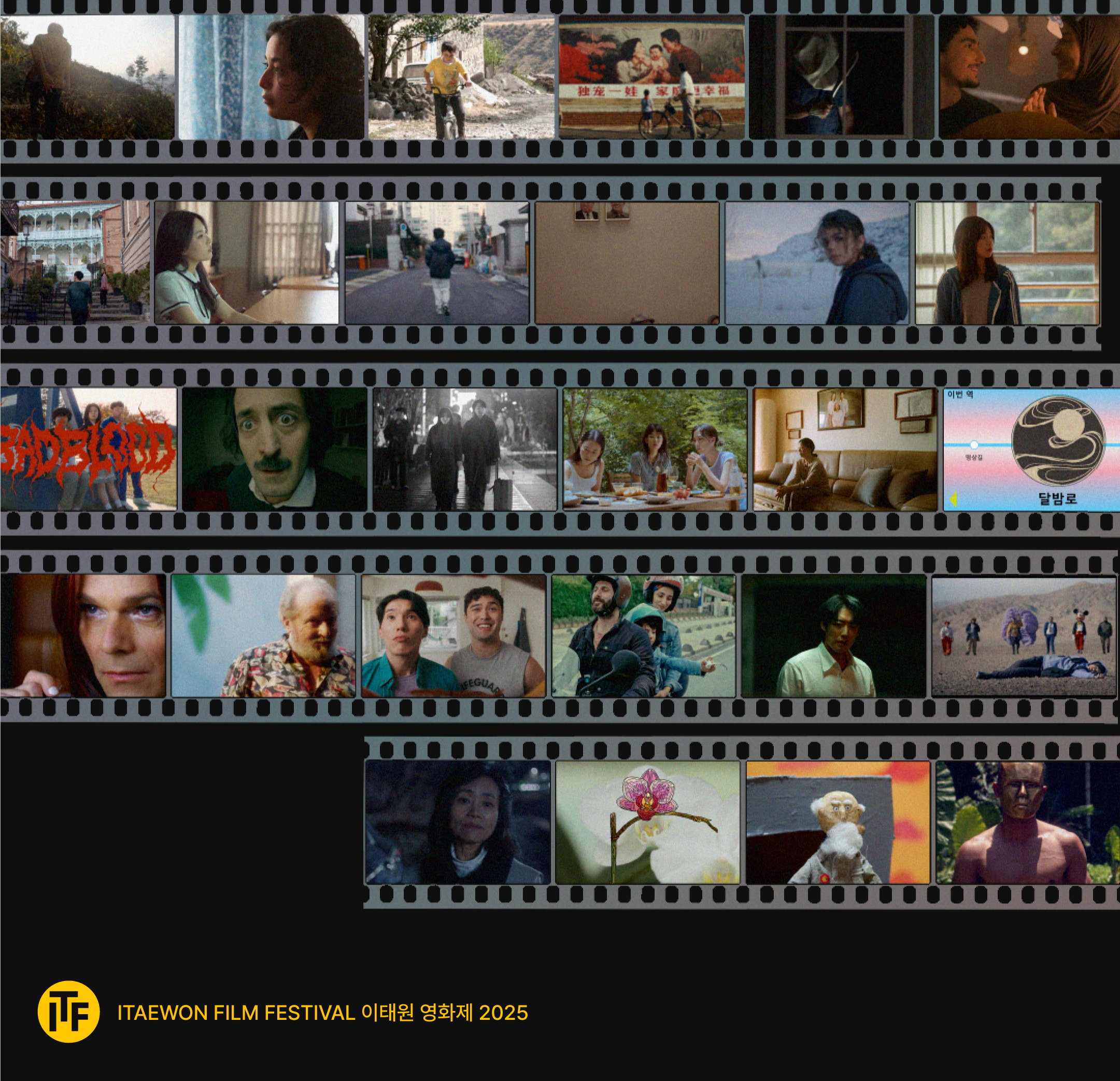
"We believe this reflects a shared value: the belief that 'together' matters more than 'the same,'" Lee observes. "Itaewon has always been a place where diverse people lived side by side. The new festivals naturally continue that legacy, fueled by the neighbourhood's energy of inclusion and collective spirit."
Their venue, Bokwang Theatre in nearby Bogwang-dong, isn't a traditional cinema but has served as a creative space for local artists. The area faces imminent redevelopment, adding another layer of meaning to the festival's presence.
"Holding the event in Bogwang-dong, an area facing redevelopment, also invites reflection on cultural continuity and the importance of community spaces," says Chong. The response has exceeded all expectations. "When we first conceived this festival, we had no major sponsors and no guaranteed marketing channels," Chong admits. "All we had was a belief that being together holds more value than being the same."
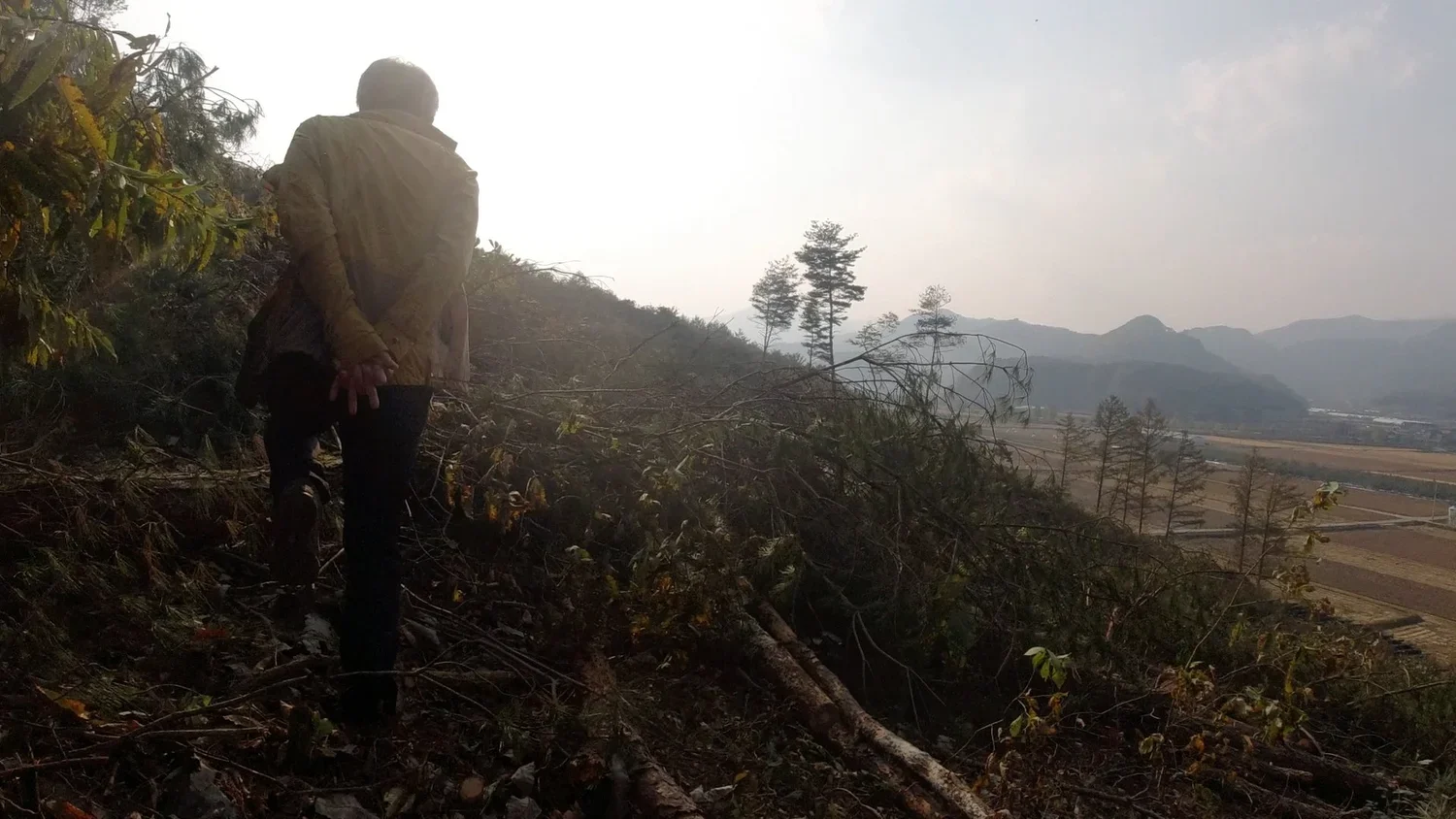
Old Man And Tiger (2024)
"Our initial worry of 'Will anyone come?' quickly turned into 'What if we run out of seats?' and 'How can we best showcase all these incredible films?'" adds Lee. "This transformation was made possible by everyone who believed in our vision and joined us on this journey."
Hundreds of filmmakers from around the world submitted work, validating the founders' conviction that there was an appetite for a different kind of festival. After each screening, informal after-parties at venues including Miam Miam, Life Bar, and Rabbit Hole in Haebangchon will encourage dialogue between audiences and creators.
Looking ahead, the founders plan to expand while maintaining their core philosophy. "One challenge this year was the limited number of screenings and attendees we could accommodate," says Chong. "In the coming years, we hope to host more films, more creators, and a larger community of viewers who can share in this growing celebration."
As for their place in Seoul's rich ecosystem of film culture—from major festivals like Busan and Jeonju to micro-cinemas like Kinima and ChaCha Cinematheque—the founders see themselves as continuing a tradition of grassroots cinema that has thrived since the 1990s, when cinephiles smuggled pirated tapes to watch forbidden movies.
"Creating something new, something that pushes a wave forward, is never easy," Lee reflects. "But to keep doing what you can, with belief and purpose—that in itself is luminous."
For more information on Itaewon Film Festival, follow them here.