
“It reminds me of what it feels like to be hopeful” - Rosalyn Song on nostalgia in music
Written by Mica (@mishckah)
If you've spent any time around Korea's indie music scene lately, you've noticed the shift. Artists like Rosalyn Song, Dosii, and ADOY are reviving a classic synth genre, city pop—that glossy, sophisticated blend of Japanese jazz fusion, funk, AOR, and soft rock that soundtracked Tokyo's economic boom. Audiophiles are hunting down cassette tapes and vinyl records, and CDs with newfound fervour. Retro J-pop covers are flooding streaming platforms. The aesthetic is everywhere: neon-soaked album art, VHS filters on music videos, and lyrics pining for analogue romance.
But here's the interesting part: this isn't standard nostalgia. These artists are yearning for an era they never experienced—an era that was itself yearning for the future. It's nostalgia twice removed, filtered through a cultural lens that isn't even their own. Music critics call it "hauntology": mourning futures that never arrived, grieving promises that got broken before they could be kept.
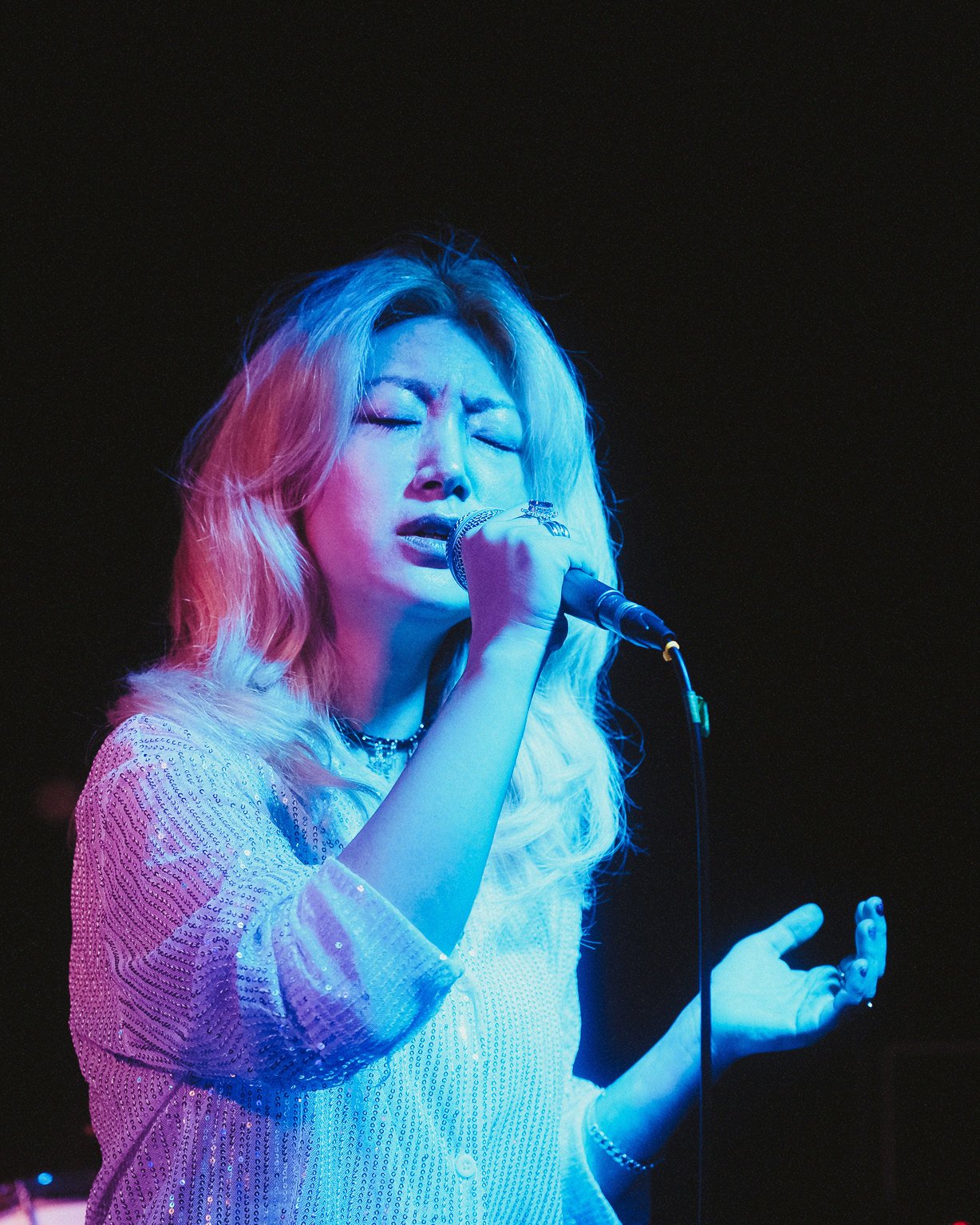
Korea feels this whiplash especially hard. It's one of the world's most fast-paced, high-stress, technology-saturated societies. Everything is digital, everything is now, and everything is optimised for efficiency. So why is Korean indie music reaching backward into analogue warmth and retro aesthetics? And what does it mean to romanticise an era you never lived through—especially one that was itself romanticising the future?
"I think of it as 'imagined nostalgia'," says Rosalyn Song, an artist whose work bridges synth-pop, electronic, and city pop influences. "A yearning for an era one hasn't actually lived through. To me, this feels like a very natural response to our current times."
Born in the 80s, Song grew up immersed in the synth-pop era. "For me, listening to what people now call 'retro music' feels entirely natural—it's like revisiting the tracks that formed the background of my childhood on television and radio." But she recognises that for younger listeners, the pull is different. "The late 70s and 80s represented a moment when society was emerging into prosperity and leisure," she explains. "There was a genuine sense that anything was possible through passion alone, and the music of that era packaged those feelings so gorgeously."
That packaging matters. City pop emerged during Japan's economic miracle, when urban life was expanding and when leisure and consumer culture were blooming. The genre localised 70s American AOR, funk, and soul through a distinctly Japanese lens—sophisticated arrangements, lush production, and lyrics about urban romance and metropolitan longing. It was music that looked forward, that believed in tomorrow.
"In contrast, the current era feels heavier and more anxious," Song says. "That kind of optimism can feel distant. I believe people consume this 'virtual happiness' by recalling a 'good time' that might have once existed. It's a form of escapism, certainly, but it also serves as an emotional reference point. It reminds us what it feels like to be hopeful."
City pop carries a double resonance. Korea and Japan shared similar economic trajectories during the 70s and 80s—rapid modernisation, explosive urban growth, and the promise of prosperity. The sounds naturally overlapped, even as cultural contexts diverged.
"For Korean listeners, I think Japanese pop resonates because it feels 'familiar yet fresh'," Song explains. "It's quite similar to the music we heard in Korea during that same period, but with a different language and atmospheric nuance. It's like flipping through an old photo album and suddenly seeing the face of an old friend you haven't thought about in years. There is a joy in that discovery—a mix of nostalgia and curiosity."
This doubled nostalgia—for a neighbouring country's dream of the future—creates something stranger and more potent than simple retro fetishism. Korean indie artists are reinterpreting it for a generation facing different pressures.
Song's creative process reflects this complexity. She experiences synaesthesia, seeing colours in sounds and hearing sounds in colours. "When I am creating, I take the colours I see within an emotion and translate them into chord progressions and textures that feel 'right'," she says. "So, when I recreate the feeling of that era, it's not a mere imitation. It is a translation of a sensory experience that has passed through my own body and perspective. It is about recreating the past while my present self is focused on creating the future."
She did extensive research on vintage synthesisers used in classic city pop but eventually realised that "simply using the exact same gear didn't always fit my specific songs. I decided to follow the feeling instead." Her music leans toward synth-pop and electronic, though she notes that listeners often recognise the textures as city pop "even though that's not my starting point."
"I see city pop as a fascinating localisation of 70s American AOR, funk, and soul," Song says. "I often find myself doing a comparative analysis—examining which elements of Western music Japanese composers adopted and how they infused them with Japanese sensibility. I then contemplate whether to preserve those retro elements as they are or reinterpret them through a contemporary lens."
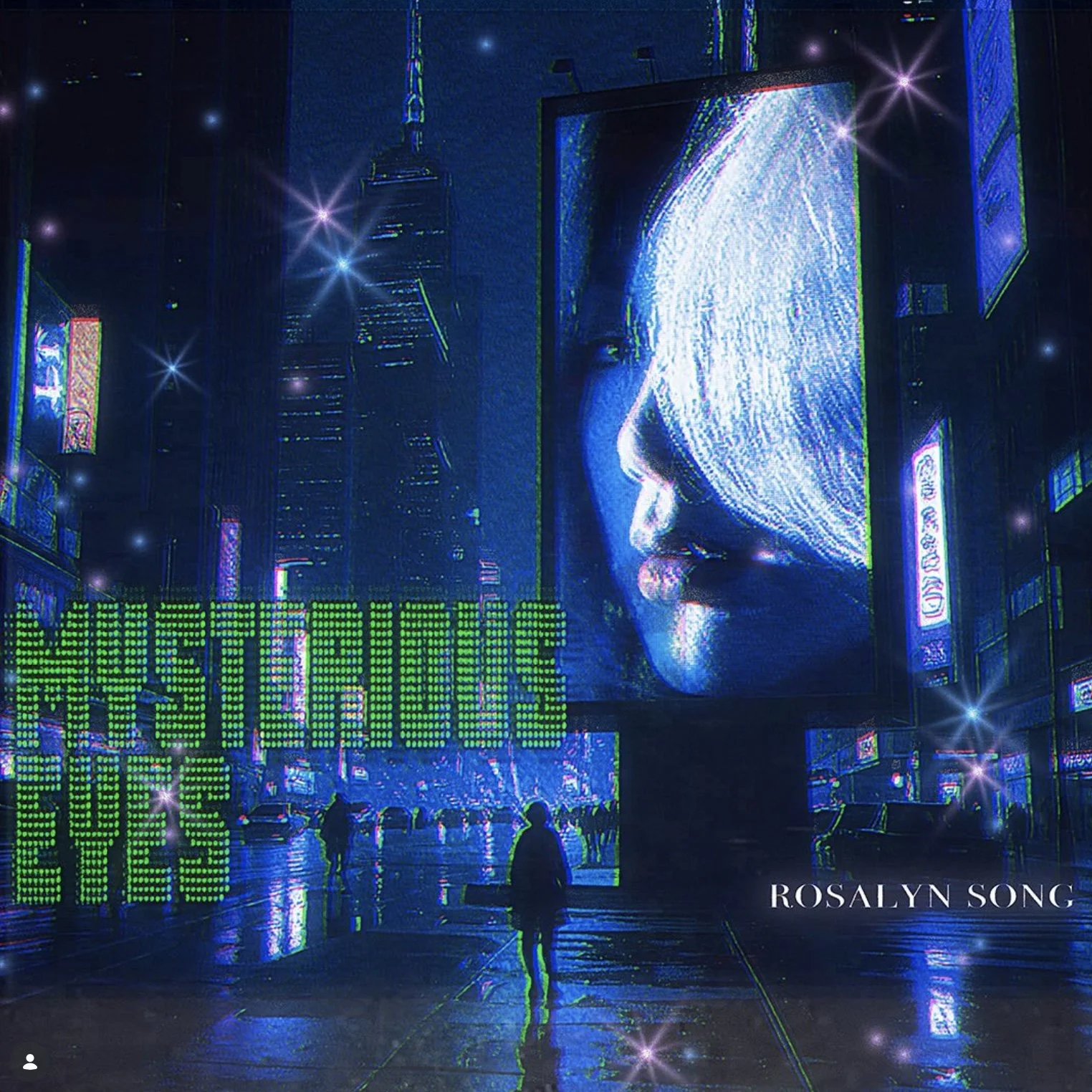
This approach—analysing the original localisation, then re-localising it for a contemporary Korean context—is what separates Korean indie's retro turn from mere pastiche. Artists are excavating emotional vocabularies, not just sonic templates.
Song's own favourites reveal the depth of this connection. She cites Tetsuji Hayashi as her favourite composer—the man who wrote Stay With Me, the track that launched a thousand YouTube algorithms—and singer Hiromi Iwasaki, whose Morning Breeze she'd choose to cover if given the chance. "I have a deep affection for the music of the Showa era," she says. "There was a certain affluence in 1980s Japan—a fantastical sensibility that prioritised dreams and romance over the weight of reality. It creates this beautifully melancholic atmosphere that I find quite intoxicating."
Song believes the appeal goes deeper than trend cycles. "I believe the focus has shifted from genre trends to emotional authenticity," she says. "At the end of the day, a genre is just a tool. Whether an artist chooses to maintain an authentic retro sound or reinterpret it in a modern way is simply a matter of the song's concept."
More importantly, she argues that the emotions city pop expresses aren't vintage at all. "The emotional vocabulary of that era—hope, urban solitude, and fleeting romance—these are not 'vintage' emotions. They are timeless. The genre just happens to express them in a particularly beautiful and enduring package."
And maybe that's the real answer to why Korean indie keeps reaching backwards in time. Not because artists are stuck in the past, but because sounds captured something we still desperately need: a vision of the future worth believing in.
But the soundtrack is still here. And in 2026, in basement venues across Korea, music lovers are dancing to synthesisers and slap bass and lyrics about urban longing. They're mourning futures they never had. They're reaching for hope packaged in retro soundscapes.
For more information on Rosalyn Song, follow her here.