
Gawthrop's Slow Doom
Written by Ethan Kim (@count.kim)
Pictures by Christian Mata (@chris_isu_m)
Slow, heavy and relentless: doom metal is a genre that doesn’t rush towards release. In Korea, it still occupies a darker corner of the underground scene, far removed from the sounds that most commonly define the country's sound. Yet that obscurity has never been synonymous with indifference. Gawthrop has made this territory their own. Since their debut in Seoul in 2019, the band has resonated through the city's clubs, forging a presence through downtuned guitars, suffocating distortion, prolonged feedback and vocals that seem to emerge from beneath the earth.
Gawthrop released their debut album, Kuboa, in 2025. They currently perform as a trio: Sunggun on drums and vocals, Hyunwoong on guitar and Minhwi Lee on bass. The lineup remains open: founding drummer Owen, who returned to Hong Kong, can still rejoin them when logistics permit, restoring Gawthrop to the four-piece formation heard on Kuboa.
To get their unique name, the members read through a list of small British place names until they found one that sounded right. Gawthrop is a hamlet in Cumbria, its name rooted in Old Norse: "gaukr", meaning cuckoo, and "thorp", a hamlet or settlement. "People confuse it with 'goth', and sometimes people with Gawthrop as a surname message us," Hyunwoong says.
The cuckoo's habit of leaving its eggs in another bird's nest only made the accident more appealing. "If you start with an enormous purpose, you might end up disappointed by the result," posits Sunggun. "If the point is to simply keep going rather than some huge goal, something will eventually come out of it."
Minhwi's recruitment was similarly casual. At a farewell gathering, Sunggun asked if she wanted to join a band in need of a bassist. "I told him I couldn't play bass," she remembers. Sunggun's reply was persuasive in its own peculiar way: "It's doom metal. You don't have to be good at bass, it's slow." Minhwi asked if he could play drums. Not exactly, but he said he'd start. Two days later, she was at his workspace to practise.
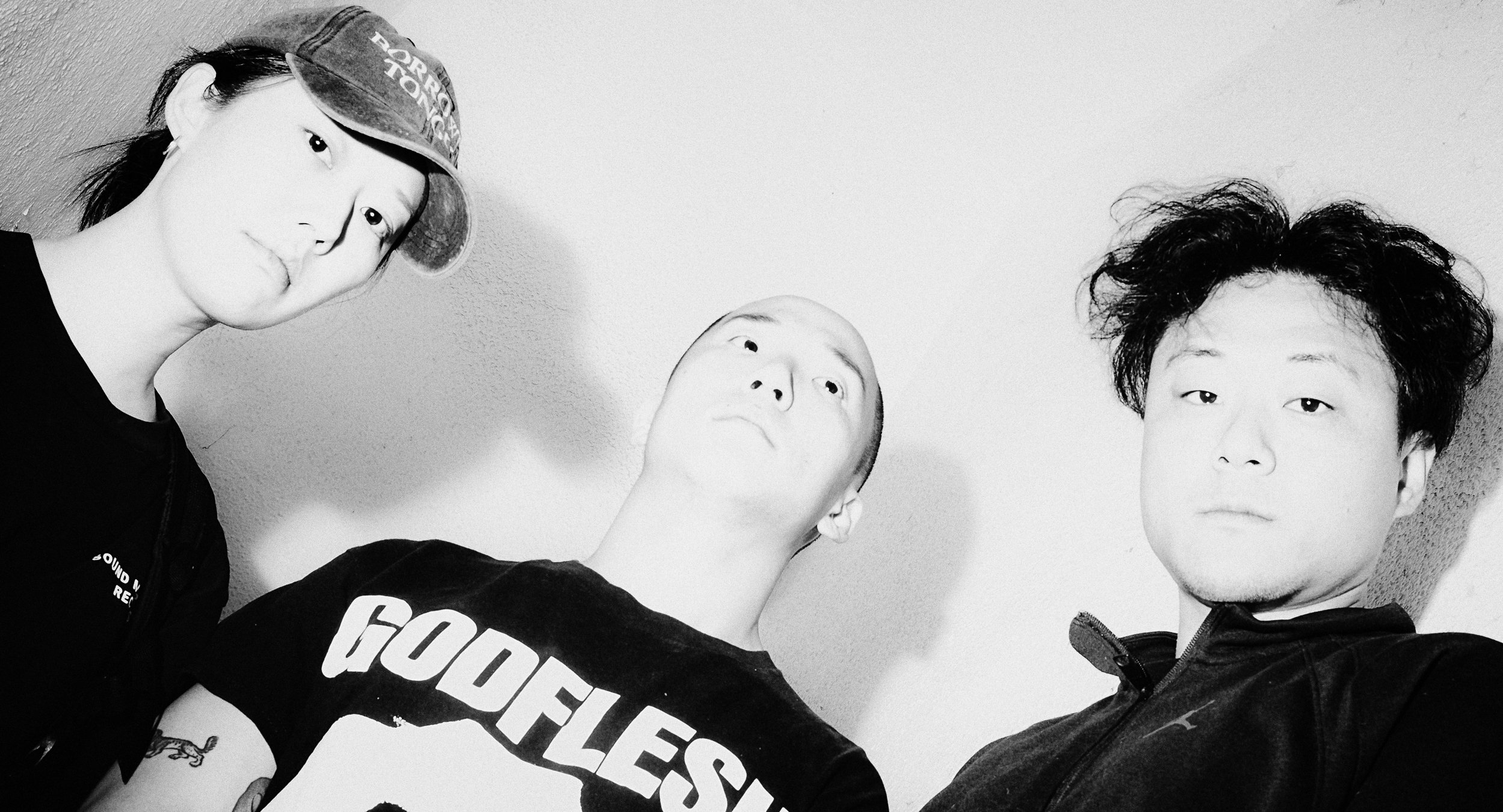
Sunggun senses a gradual change in who invites them to play. Younger promoters who move between indie music and metal, including shoegaze fans, seem more willing to place Gawthrop on a bill. In more traditional metal spaces, he says, slowness can still be mistaken for an absence of skill or spectacle. Metal is often imagined as fast and technically ornate; Gawthrop offers almost the inverse.
That severity doesn't mean Gawthrop rejects Kuboa: it documents an older set of instincts, one that had already shifted from their 2019 demo, whose sound sat closer to Noothgrush. Their current songs are different again. Asked to choose a favourite, Sunggun teases, "It hasn't been released yet." Among released material, his choice is "Guru", from Deterioration, Sentient Ruin's 2023 compilation of the band's first two demos, for its sampling. Minhwi and Hyunwoong both choose "Rabbit": Minhwi can imagine the animal running as she plays, and Hyunwoong hears more bounce and forward movement in it than in most of the catalogue. "For us, that's an 'up' song," Sunggun says.
There is no established doom circuit waiting for Gawthrop in Korea, so the band often appears on mixed bills. That suits them. Sunggun dislikes the assumption that every act on a show must belong to the same genre, and would happily share a line-up with shoegaze, lyrical indie music or even underground idols. Different sounds, he suggests, can express related emotional states.
Asked about the show they remember most, they each recall something different. Minhwi points to a bongjeingan-curated New Year's Eve show at MODECi, played after she had already organised and performed an Amateur Amplifier tribute at Seendosi that same day. By the time she reached the second venue, her energy was gone, and with fellow bassist Ji Yoonhae watching, the pressure only grew. She made mistake after mistake, at one point starting an entirely different song. "I thought, 'If this is how I'm going to play, I shouldn't be making music,'" she says. She hasn't made a comparable mistake since.
Two shows stand as milestones. As a four-piece, the Jumbo release show at Strange Fruit in August 2022 felt like their first real concert; the room grew so humid the floor turned slippery, and Hyunwoong likens it to trudging through water. Further back, opening for Eyehategod at GBN Live House in November 2019 meant sharing a stage with a band close to sludge's source. Sunggun, who engineered the show, remembers them scarcely needing intervention from the desk. "They were simply that good."
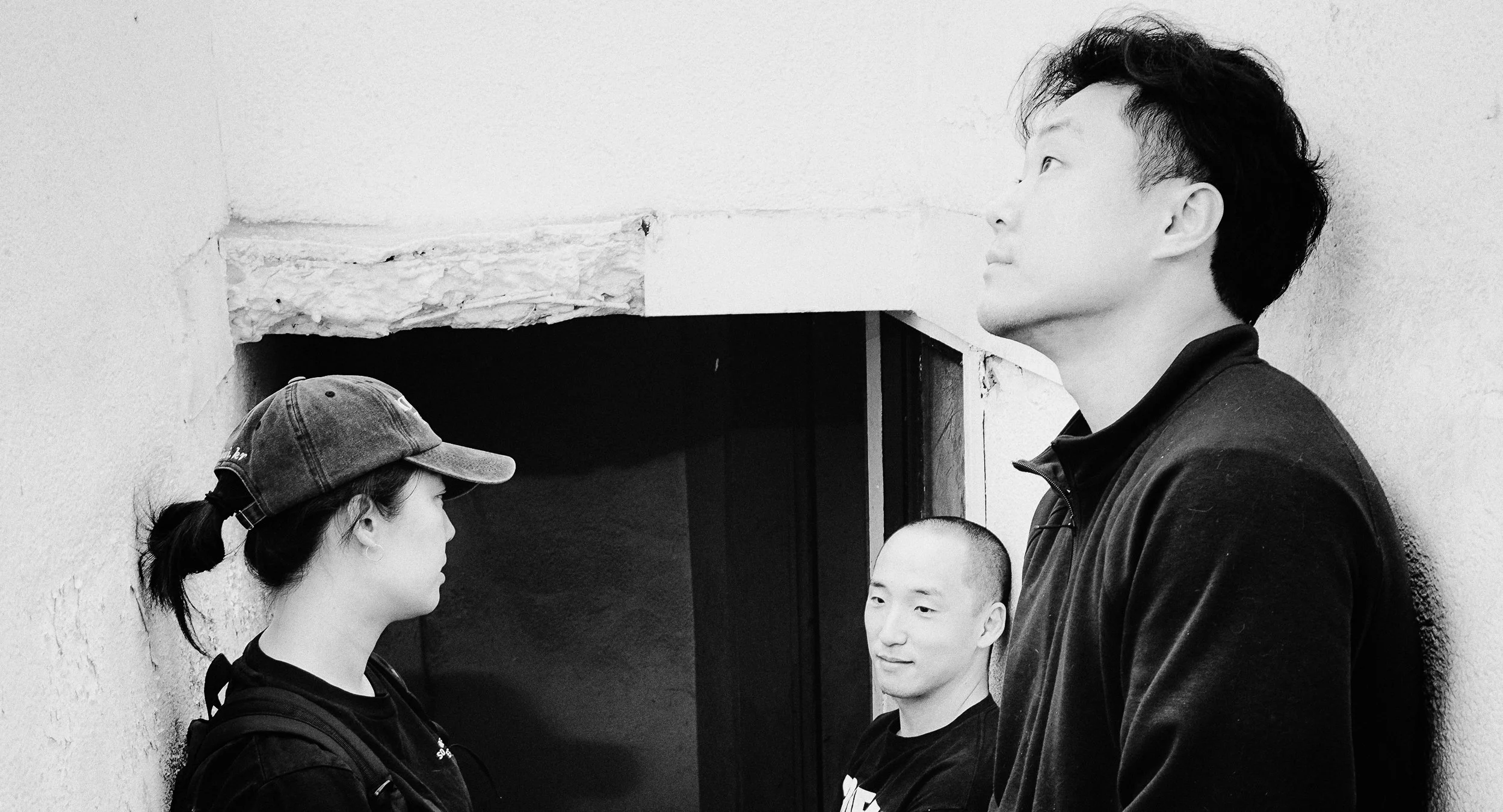
Gawthrop's heaviness begins with pitch. The guitar and bass sit five semitones under standard tuning and are played slowly; around that low foundation, reverb and delay stretch the vocals into the remaining space. Hyunwoong tends to imagine sound visually, and the image he finds for Gawthrop is tactile: humid air that never leaves the room. "It's like a metal sauna," he says.
The next record may give that sauna its strangest stories yet. Sunggun begins by recording a complete sketch and assigning it a temporary name, since numbered files become impossible to remember. If the band decide a piece is worth finishing, its final atmosphere suggests the proper title. One recent song began as "땃쥐 (Shrew)". Once they played it together, it felt far too heavy for that name; watching the others sway, Sunggun thought they looked like a ginkgo tree moving in a typhoon. The song became "태풍과 계약하는 은행나무 (The Ginkgo Tree That Makes a Pact with a Typhoon)".
That change rewrote the song's imagined plot too. Sunggun pictures these stories as something between Aesop's fables and the internet's creepypasta: familiar enough to feel inherited, but warped and difficult to place. The Brothers Grimm and Oscar Wilde's "The Happy Prince" come to mind, stories that retain grotesque and cruel imagery however familiar they have become.
For Sunggun, sludge doom already contains a history of telling ugly stories about the world. Different branches of doom carry different images: stoner metal reaches for weed, deserts and space; funeral doom takes on the atmosphere of a funeral. Sludge, with its roots in hardcore, keeps a socially critical impulse but folds it back into the self, saying not just that society is rotten but that something inside me is rotting with it. He points to Noothgrush, Grief and the Japanese band Corrupted, whose Spanish-language EP Dios Injusto is one example of the tradition Gawthrop feel connected to, alongside Sunggun's earlier work in Bamseom Pirates. "I think noisy music should say something about society," he says. "If the sound is loud but there is none of that in it, it can feel a little empty."
The immediate plan is another full-length. Enough new songs have accumulated that the band would rather record them properly than make another demo first. Drums will be tracked in a professional studio; guitar and bass can be recorded separately at home, partly for practical reasons and partly because schedules make assembling everyone at once difficult. Sunggun expects to play drums again if Owen remains in Hong Kong.
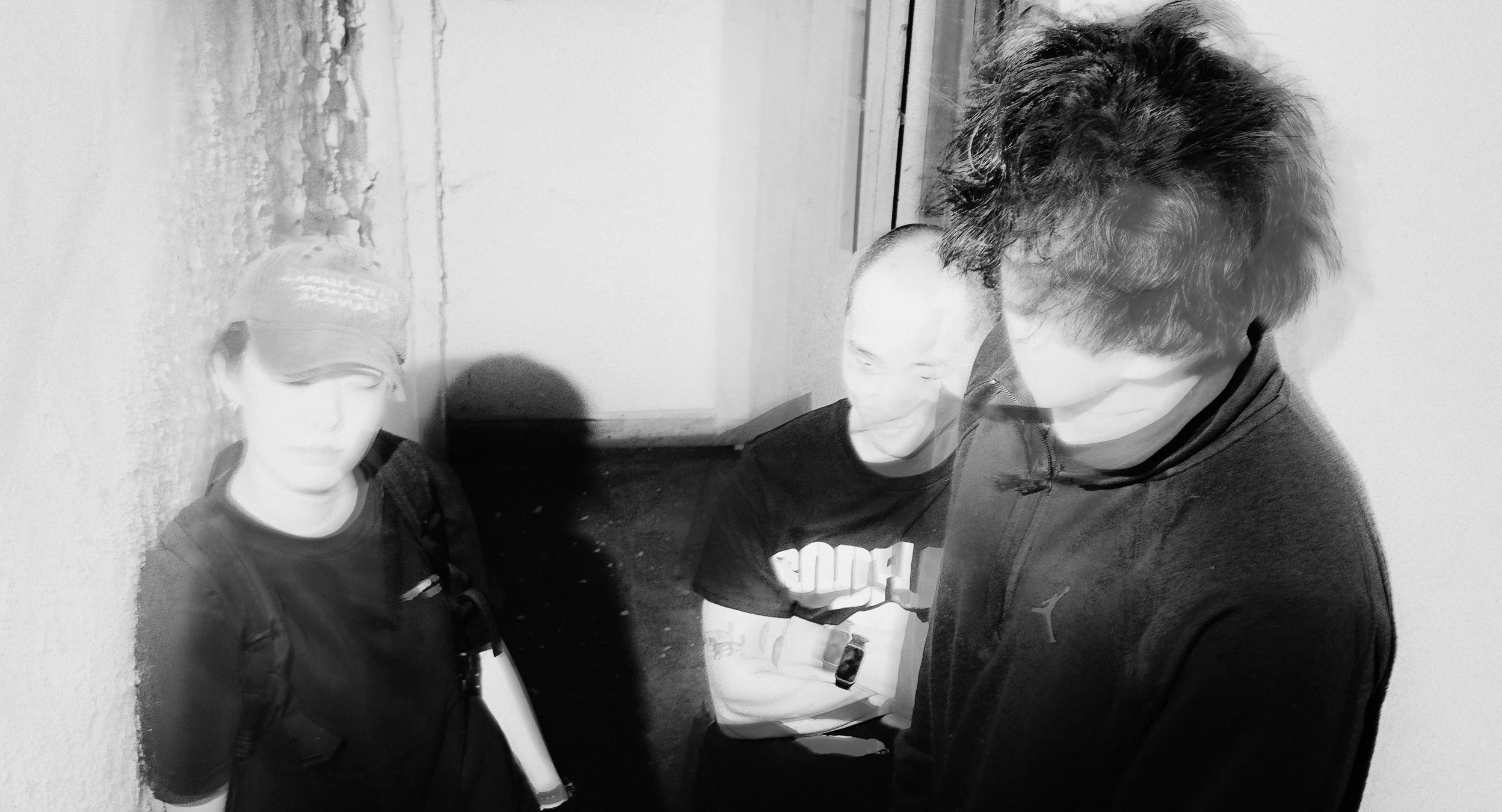
That uncertainty raises the question of why a band as specific as Gawthrop can feel more legible abroad than at home. Sunggun sees a domestic tendency for attention to concentrate around a few winners. Hyunwoong wonders whether long working hours, limited access to varied culture and a habit of forcing binary choices all narrow the space for unusual tastes to develop. Neither offers a single explanation, but both share a wish for more kinds of music to coexist without one having to defeat another.
Gawthrop are unlikely to turn that wish into a slogan. Perhaps recognition is simpler than that. People who know the genre tend to say, "You really are doom." Those who don't usually register that such a thing exists and move on. Gawthrop continue in the gap between those responses: too slow for one room, unexpectedly calm in another, still making the air heavier. The sauna is open, whether or not everybody chooses to enter.