
Written and pictures by Christian Mata (@chris_isu_m)
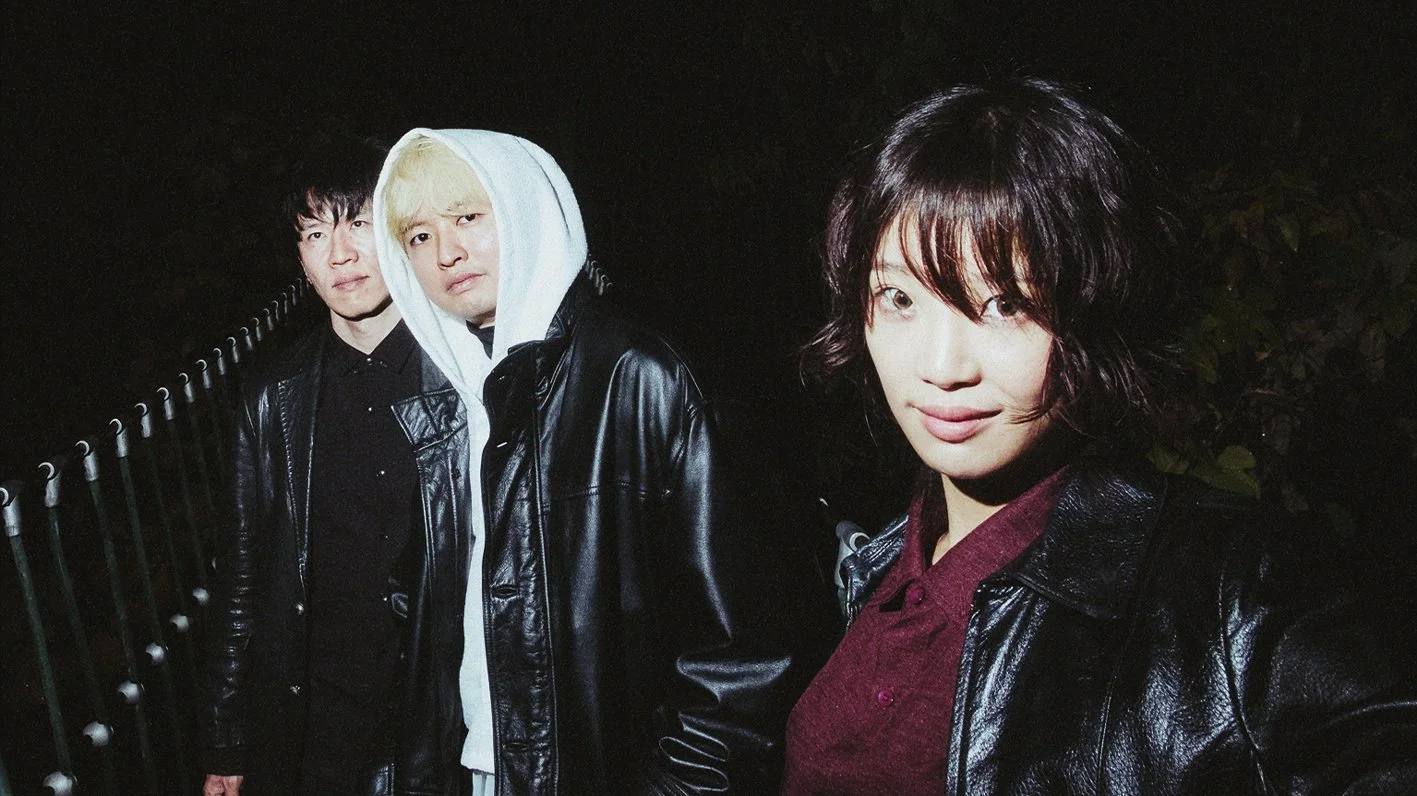
Striking stage visuals, coordinated outfits, a dizzying array of traditional percussion, and DJ equipment driving tracks that feel spiritual as much as they feel like dance - it’s hard not to be captivated by the trio immediately. The performances are carefully planned, but the energy is spontaneous. That's part of the allure. Their formation, though, was fated.
Years ago, a young mother fell for pungmul. She spent her days with the traditional performance group, and her daughters grew up immersed in it, becoming mudong, children who dance alongside the troupe. Jaeyeon and her sister took to it early. Jaeyeon still drums with Icheon Turtle Play today. Ryo started on traditional Japanese music in high school, but shamanism from around the world pulled at him too, with anthropologist Castañeda especially influential. Korean traditional music, once he heard it, felt compelling enough to bring him to Korea. But "traditional music was just the root," he says; he wanted to express himself in the present, and techno and house became the outlet he'd been searching for as an outsider in the US. The parallel between crowds shuffling around DJs and groups entranced by a shaman's ritual stuck with him. He and Jaeyeon, who'd already worked together in a contemporary performance art group, found their way to each other naturally through Ryo's studies.
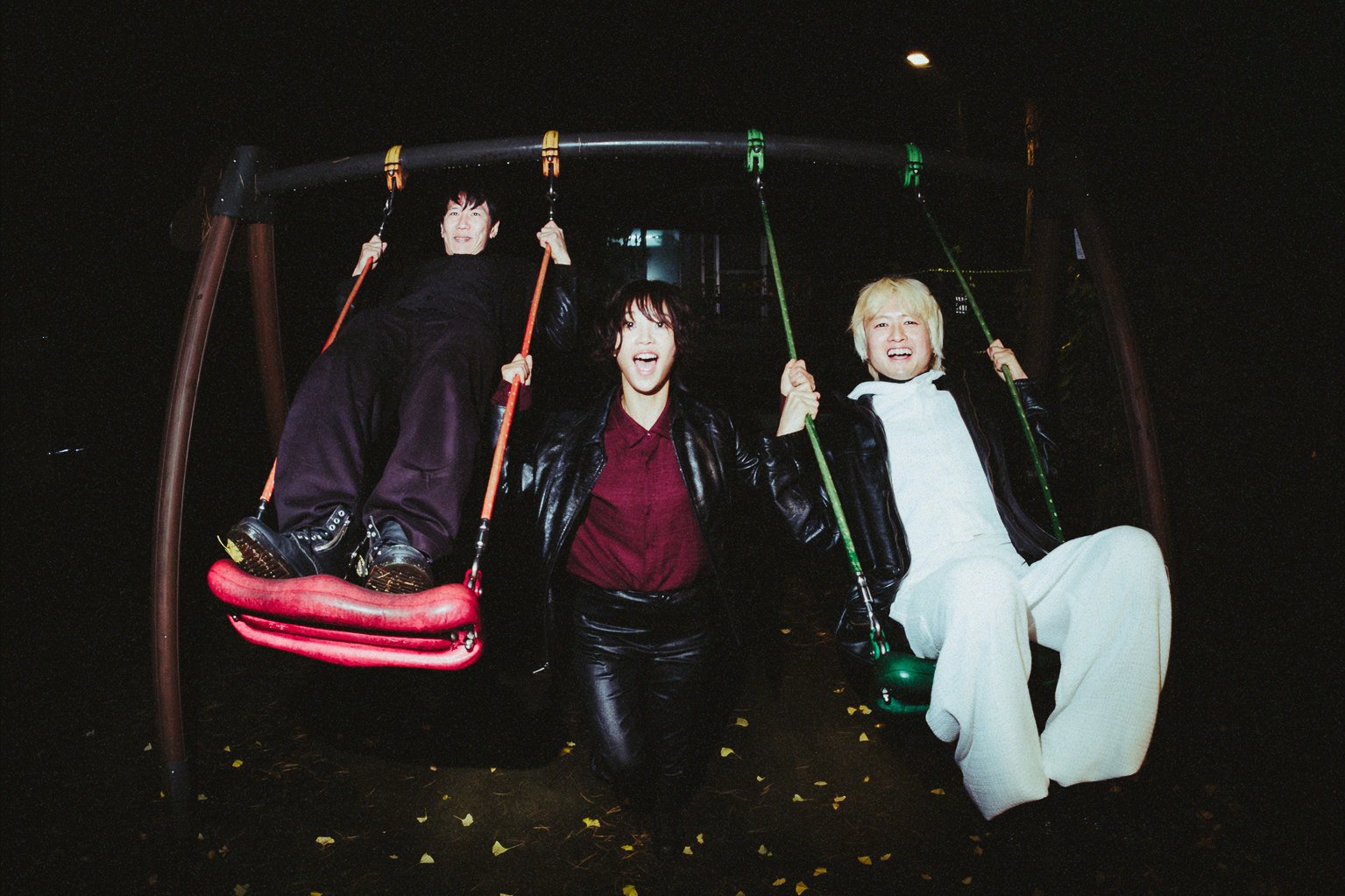
"How does a Jeju exorcism feel?" That's the question Jundo kept coming back to when he thought about releasing 64ksana's music. Music as liberation, he figured, but liberation requires connection first, and connection proved difficult. He released his first material in 2021 under the name Jundo, blending gut (Korean shamanistic music) with the electronic sound he loved. The rhythm was accessible enough, and he brought in gut's horns and percussion, something nobody else was doing. The response was close to nothing. He formed 64ksana with Jaeyeon and Ejo (of Ejo and the Midgets) in 2022. Still nothing. Then in 2024, with Ryo joining to complete the current lineup, outlet coverage and festival invites started arriving. "I felt like I was doing something right, finally." With attention building, Jundo felt they "needed to work quickly and release something." A few tracks followed, but the shows remain the real experience.
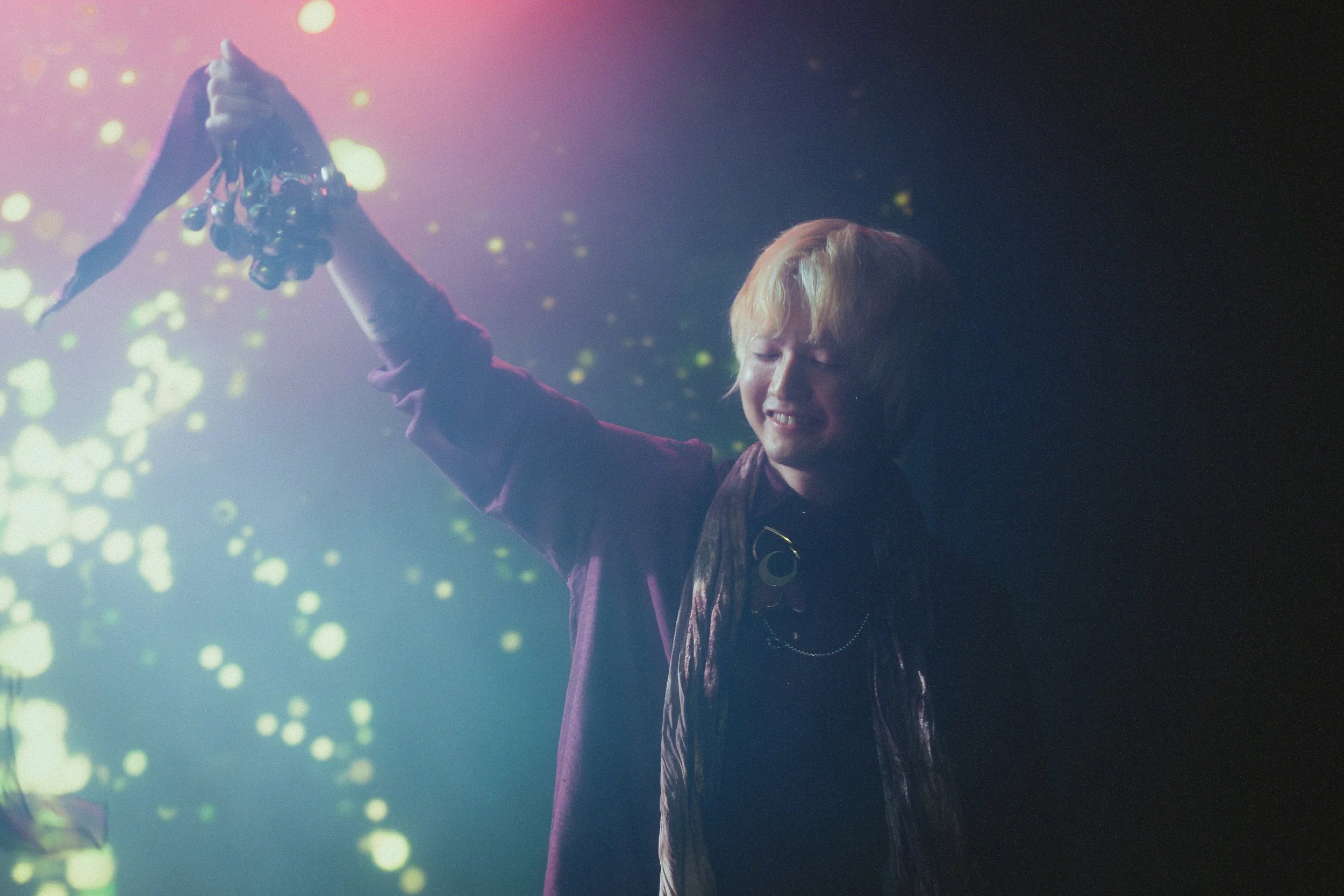
Ryo moves like Sugar Ray Robinson in his prime, shadowboxing in the green room before he steps out, beaming. His percussion is the pulse, rattling the songs' foundations. Jaeyeon seems possessed on stage, gripping audiences and leading them through chants and poetry, a world away from the bubbly woman you'd meet offstage. Chimes and gongs add her flourishes, and she and Ryo trade fits of rhythmic duelling. Jundo, working behind the percussion, carries the whole vision: stage design, sound, the crowd's reaction. He steers it all.
Shamanism, and divinity in Korea generally, stays elusive to outsiders. Saju and face reading are sometimes considered closed off from non-Koreans. 64ksana rejects that when they perform. "The gods can follow us, everywhere is land," Jaeyeon says. Ryo adds that spiritual energy is a matter of consciousness: "it moves beyond time and space and it appears immediately when you think about it." Still, the members are careful. "We don't perform gut as a strictly religious practice but rather as an art form," Jundo clarifies. "We don't expect everyone to understand it as gut. Wherever you go, the beat instrument comes first, then melody, then harmony, and people can enjoy and dance everywhere."
Visually, 64ksana has its own language. The art collective EASThug handled early video and artwork, including for 64 Moments, laying groundwork that visual artist BooChu (who records as Chivesdeath) has built on. Her personal work moves between deep midnight blue and crimson desert sunsets, and red has become the group's signature colour. "The keywords are gut, techno, DNB," she says, though the styling shifts with each show. Her dream: bringing the group out in a giant birdcage, in the spirit of Lady Gaga's 2025 Coachella set.
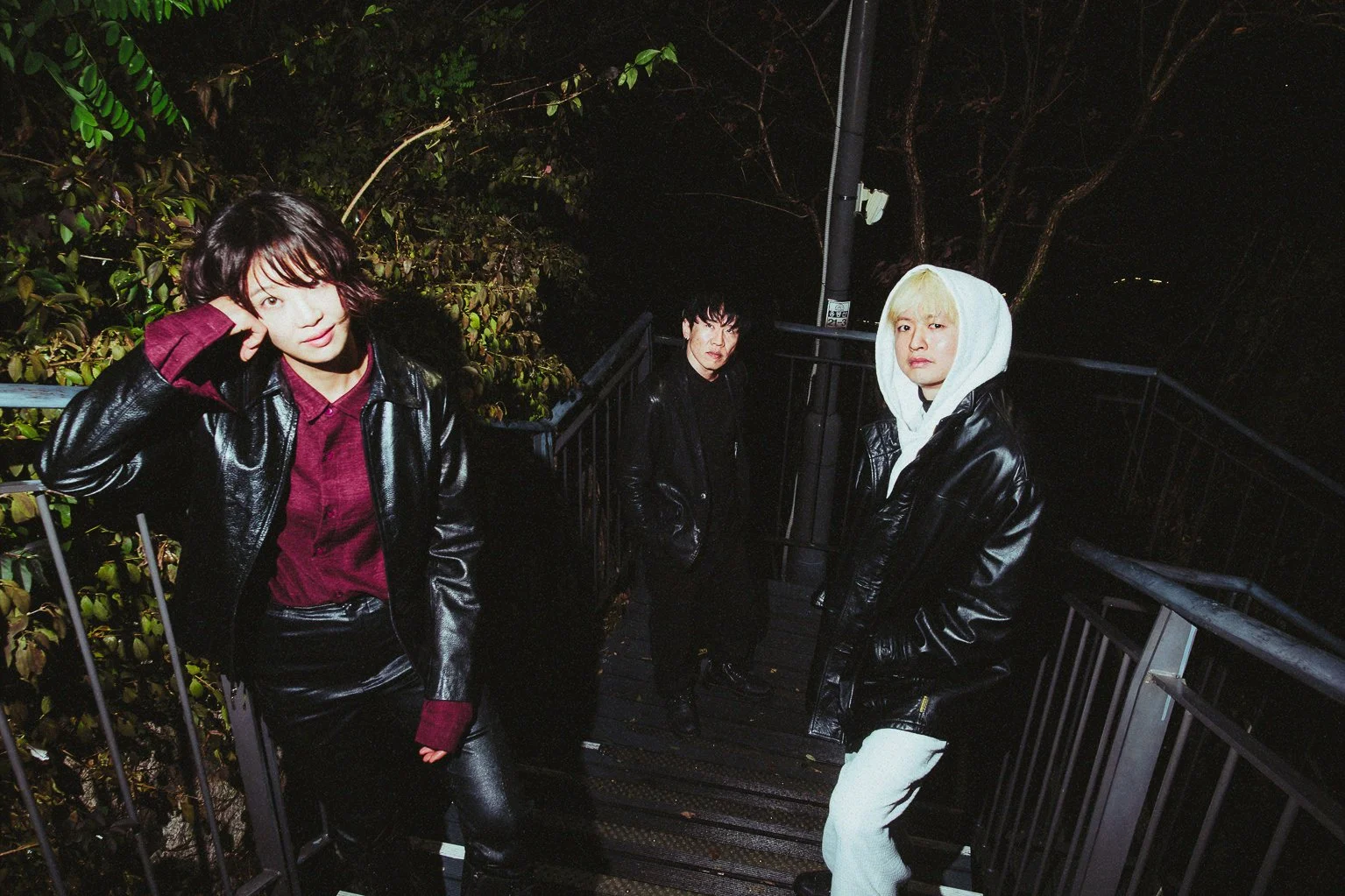
Two years of touring have surfaced some paradoxes. Jundo notes foreign crowds often "just have fun" without inhibition, though he and Ryo agree international audiences can also get too focused on observing, studying the music rather than losing themselves in it. Jaeyeon points to the language barrier, and to not always being able to "read their expressions" from the stage. Even so, the group says overseas crowds have embraced them fully.
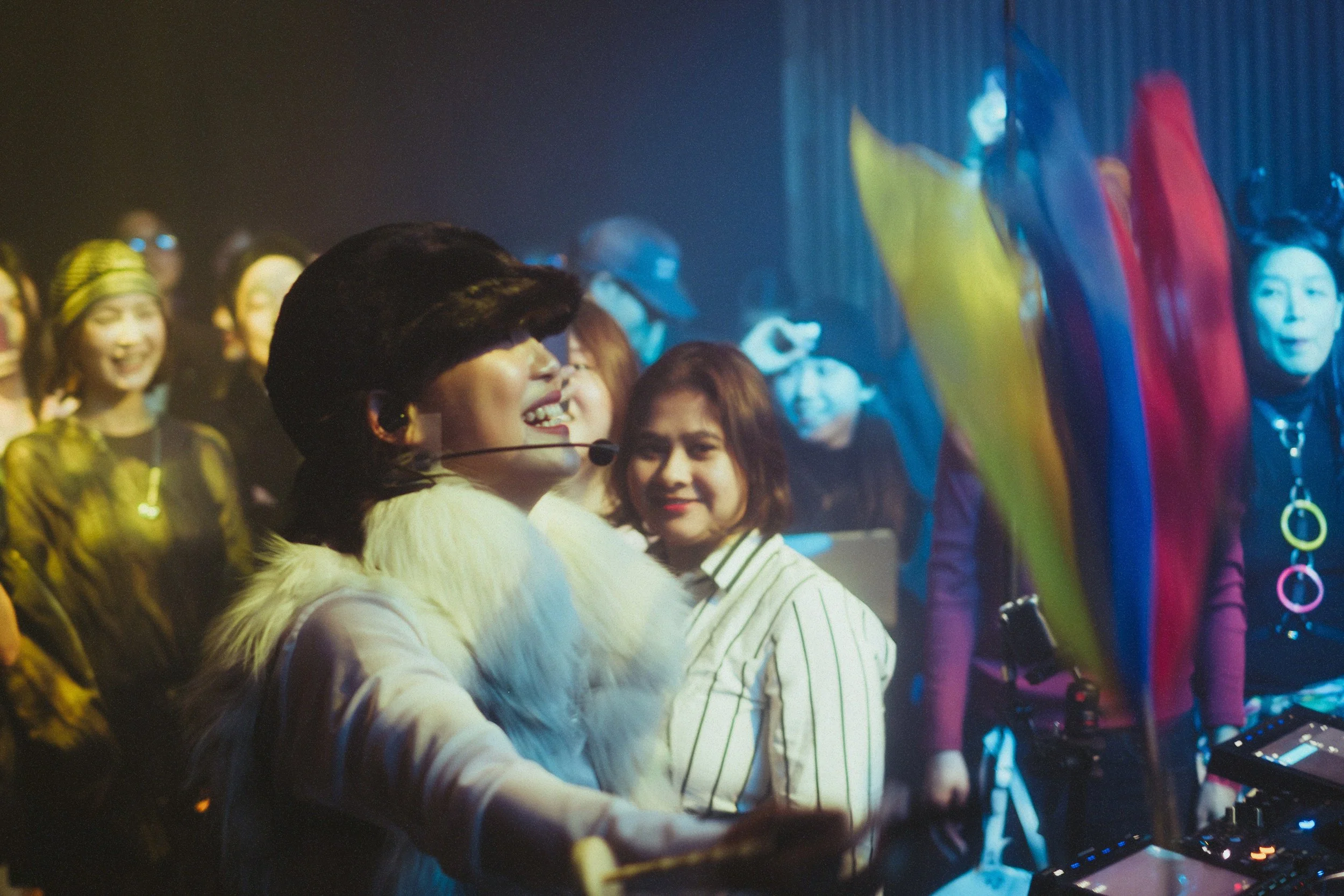
Favourite sets are hard to narrow down. Jaeyeon picks [Re:Connect] 64ksana Rite of Now at Quad, where a choir gave the show a "grand, powerful feeling" and guest actors added new physicality. Ryo names Sunfest in Ontario, playing outdoors, feeling both free and close to the crowd. Jundo recalls the rehearsal for Gwangju's ACC X Music Festival, rain falling, feeling unexpectedly calm: “There are so many things going on outside of the actual show. But that day, I was just comfortable." The touring list runs through France, Italy, Australia, Lithuania and more, including a recent first: the first contemporary or electronic Korean act to play Kilkenny Arts Festival in Ireland.
New music is coming, though the group isn't rushing it. Live performance remains the priority. "At first I was focused on the dance floor, but now 64ksana concerts feel more like a band performance," Jundo says. Jaeyeon has shifted from DJ accompaniment to frontwoman, and recent sets have reworked older tracks almost beyond recognition. Fans can catch the next stage of that evolution at Zandari this September.
*This interview was originally published in the Debaser September 2026 Print Issue