
The Enduring Voice of Pillsoon Jang
Written by Jamie Finn (@jamiefinn2209)
Pillsoon Jang, a defining voice in Korea’s folk scene, has spent over 30 years crafting introspective, genre-blending music rooted in emotional honesty and quiet rebellion. In an exclusive English-language interview, she talks to us about her legacy and finding freedom in Jeju.
There's something deliberately understated about the way Pillsoon Jang speaks about certainty—or rather, her refusal to claim it. At 61, the singer-songwriter has been making well-loved and intimate folk narratives for over three decades. Yet, she still hesitates to declare music as her definitive calling. "Honestly, even now, saying I'm certain isn't easy," she admits when asked when she realised that being a musician was her lifelong path. "It's just that whenever I pick up my guitar and open a small notebook, my heart calms down."
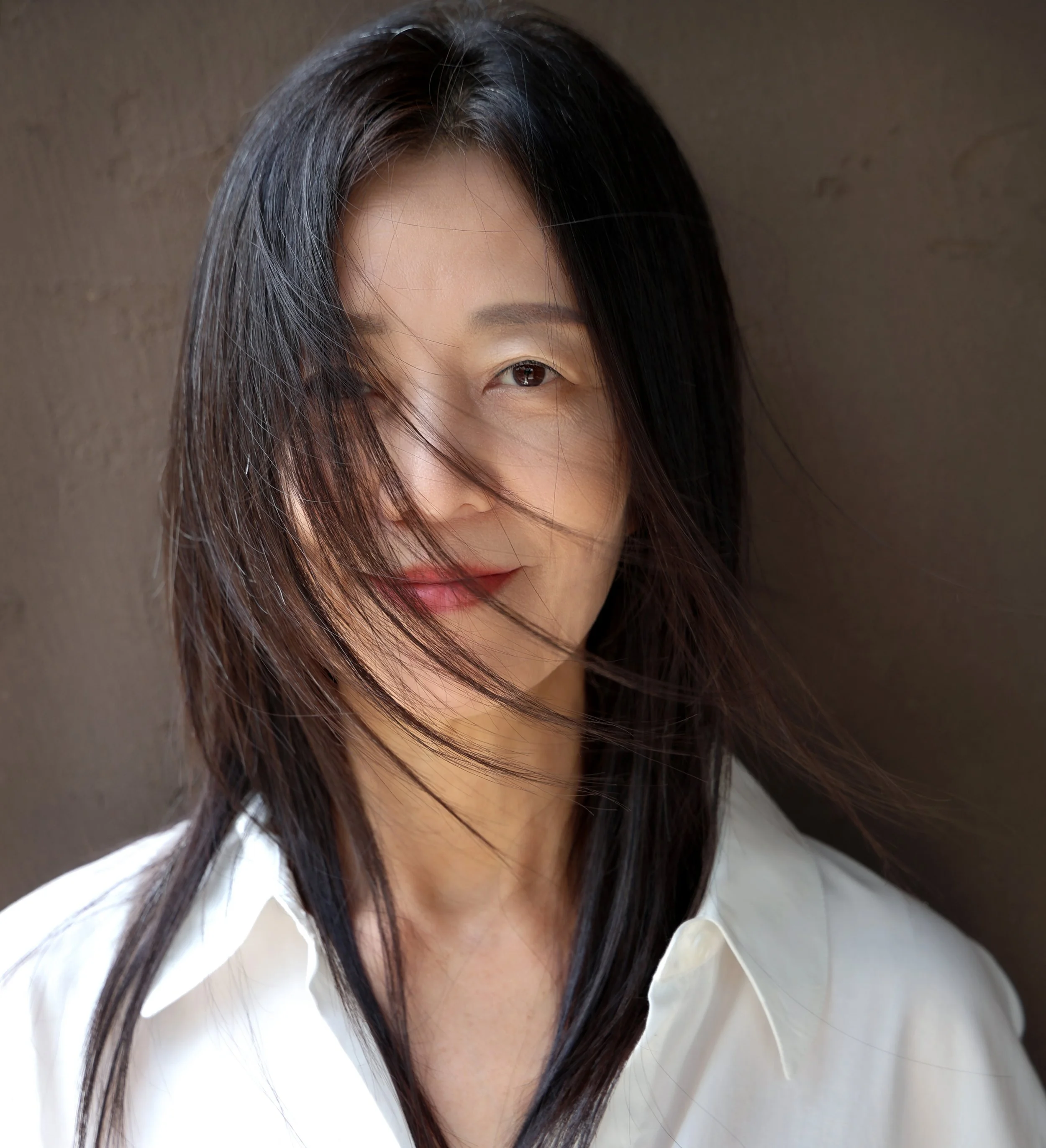
Born in 1963, Pillsoon Jang emerged from Korea's underground folk scene in the late 1980s, a time when Korea was undergoing seismic political and cultural shifts. Beginning her career in 1984, she appeared on KBS' March of Youth as a singer-songwriter at just 21 years old. She had already attracted a significant following due to her subtle yet appealing singing style. Her 1989 debut album, Suddenly, marked the arrival of a voice that would challenge conventional notions of what popular music could be here in Korea.
What set Jang apart wasn't just her songs - though her poetic, introspective lyrics were revelatory - but her approach to performance itself. Unlike many women singers at that time, she sang in the lower register, applying an untrained, folk-style voice to her music. Critics have described her as having a "husky" timbre that seems to stem from some deeper well of experience.
This unique approach to singing became Jang’s signature, but it was never calculated. "For me, the most important thing is that the song and the performance blend naturally," she explains. "I try not to add more than necessary and leave only what is essential. Perhaps my childhood experience singing a lot of choruses also influenced this." The restraint she speaks is a big part of what Jang does; the summation of something profound, a vision that prizes authenticity over artifice.
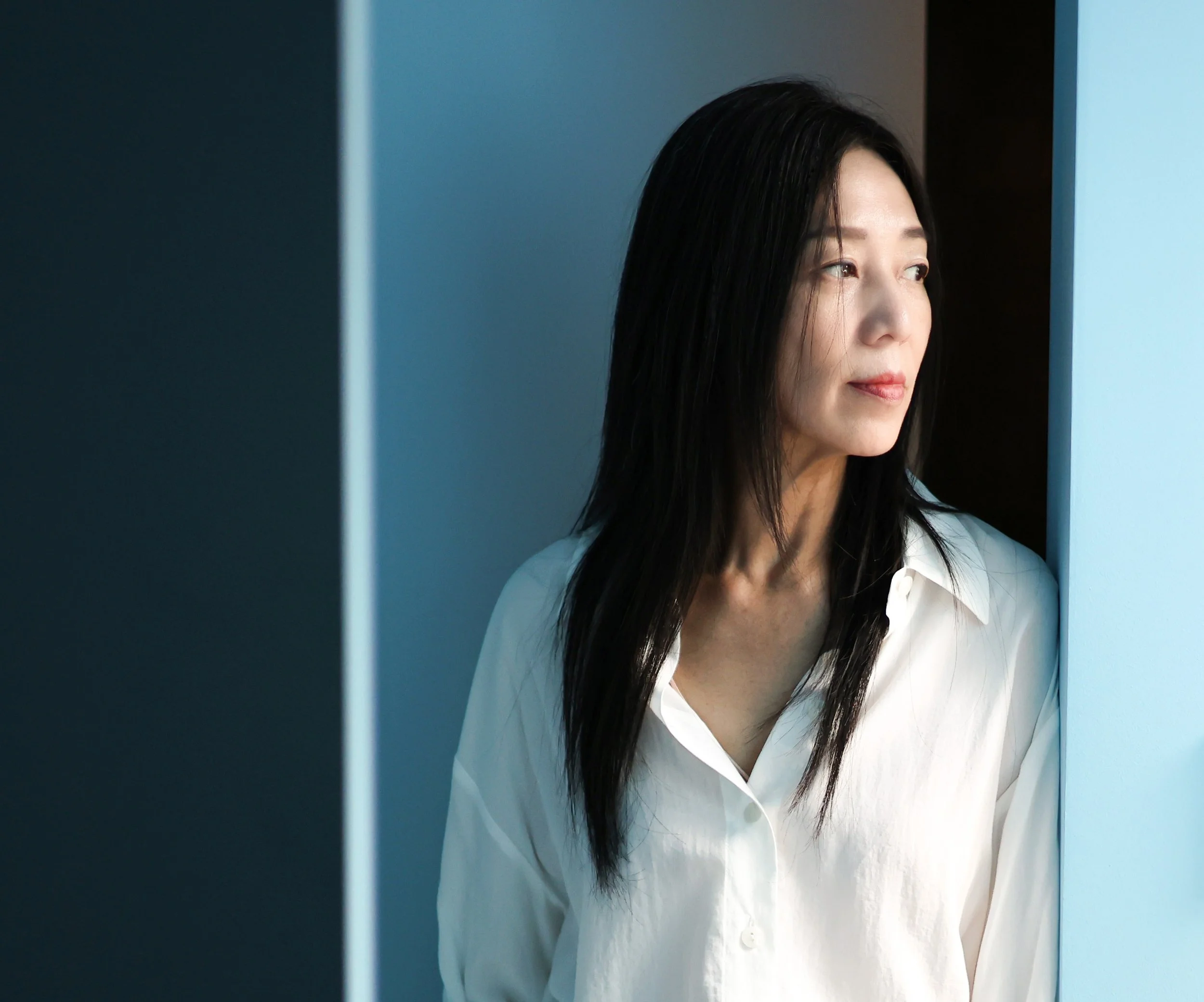
Jang's artistic roots show an interesting intersection of international and domestic influences. She cites Janis Ian and Joni Mitchell as formative figures, alongside Korean folk pioneer Jo Dongjin. This trinity of influences—two North American singer-songwriters known for their confessional, literary approach, and a Korean folk traditionalist—helps explain the unique blend of her sound. The influence of these artists is particularly telling. Ian and Mitchell represent a tradition of folk music that treats songs as vessels for complex emotions, while Jo Dongjin embodied a Korean folk sensibility that valued simplicity and emotional directness. Jang has synthesised these approaches into something distinctly her own: songs that feel both universal and specifically Korean, modern but with a sense of timelessness. This is particularly evident on two of Jang’s most loved albums: 1997’s When My Loneliness Calls to You and 2002’s Soony 6. The former was an important watershed as it marked the singer’s first release as the primary songwriter and produced many of her most well-known songs, such as the title track and The Postman on the Red Bicycle. On her 2002 album, she built on this work with an extraordinary collection that saw Jang embrace more electronic and experimental sounds.
Jang’s creative growth is demonstrated by her continuing movement into different genres. Her first two albums are best described as fusion jazz-inspired pop, moving onto modern rock for the 3rd, 4th, and 5th albums, electronica on the 6th album, and more ambient sounds for her 7th album onwards. This evolution demonstrates an artist unafraid to reinvent herself while maintaining her core creative identity.
"I always try to listen to new music whenever possible," she explains. "When creating, I don't want to be bound by trends or specific styles; I want to explore the musical experiments I feel like trying at each moment. Perhaps that's why some younger musicians or colleagues describe my music as 'transcendent.'"
Jang's songwriting process is refreshingly organic, rooted in observation rather than premeditation. "It's not the same every time I work," she explains. "The starting point changes slightly each time. Sometimes it begins with an image of a landscape, other times it starts from a very small detail like a forest, a tree, or a flower petal." This attention to natural imagery isn't accidental—it reflects both her sensibility and her current environment.
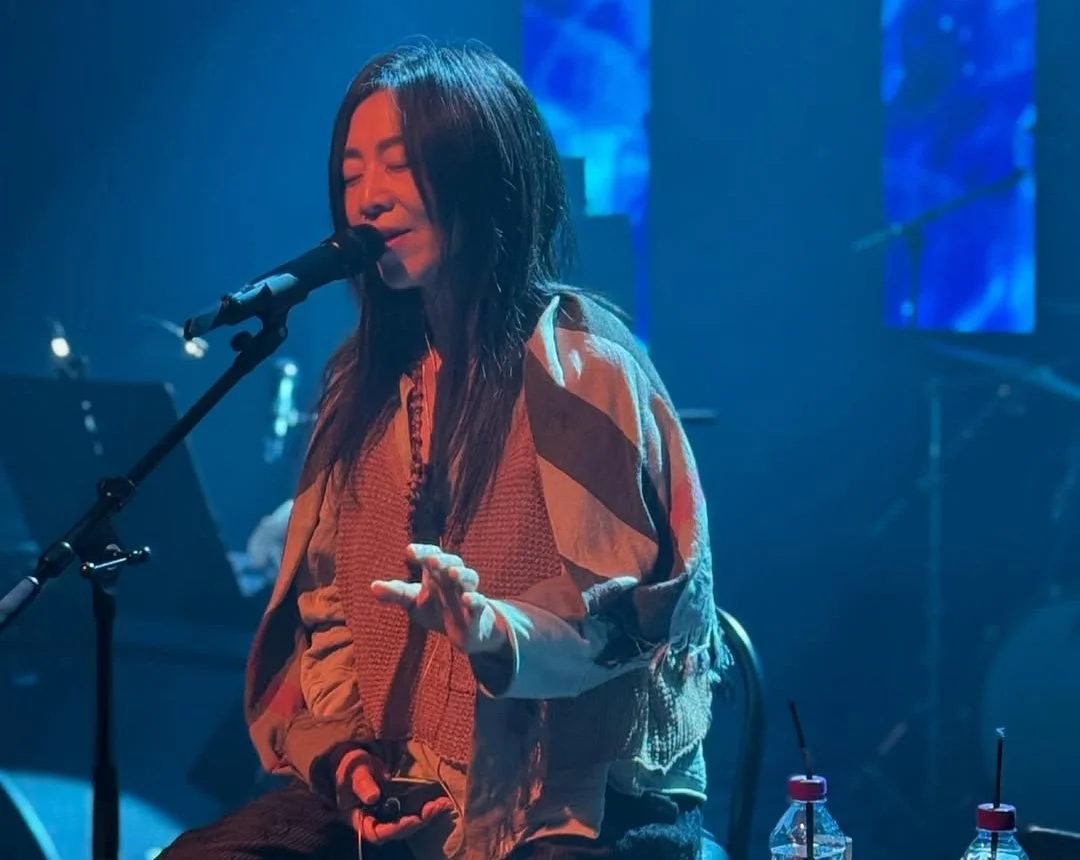
Now residing on Jeju, Jang has found a creative sanctuary that seems perfectly suited to her artistic temperament. "Jeju has given me the gift of freedom," she reflects. "While I sometimes live lazily, it always gives me time to think deeply about music. It also allows me to shake off trivial worries of reality; that breathing room seems to protect my music from becoming too heavy." The physical distance from the mainland seems to have provided Jang with the space necessary for her particular brand of musical reflection. The island, with its unique cultural heritage and natural beauty, offers a counterpoint to the intensity of Seoul's music industry.
What’s understood from our conversation with Jang is an artist who has made peace with uncertainty and impermanence. Her songs, she acknowledges, "contain themes like 'longing,' 'transience,' and 'hope,'" which she sees as natural extensions of her worldview. "I think it's only natural," she says. "Everyone puts their own stories, thoughts, and values into their songs. I'm no different."
In the rapidly developing landscape that is Korea’s music industry, Pillsoon Jang remains a 30-year constant. The iconic artist has found her voice and trusts it enough to follow wherever it leads. "Sometimes it's hard for me to explain how I've changed myself," she admits. "But that doesn't mean there hasn't been a change. Each time is a little different, and it's clear I'm constantly trying to evolve."
This evolution happens on her own terms, at her own pace, guided by her own internal compass rather. In a world of noise, Jang’s music offers something increasingly precious: the space to think, to feel, and to find one's own path. That she does so without claiming certainty about her own journey only makes the offering more valuable.
For more information on Pillsoon Jang, follow her here.