
Out for the Count - The 1234-Dah’s “Maximum Love” is a perfect swan song
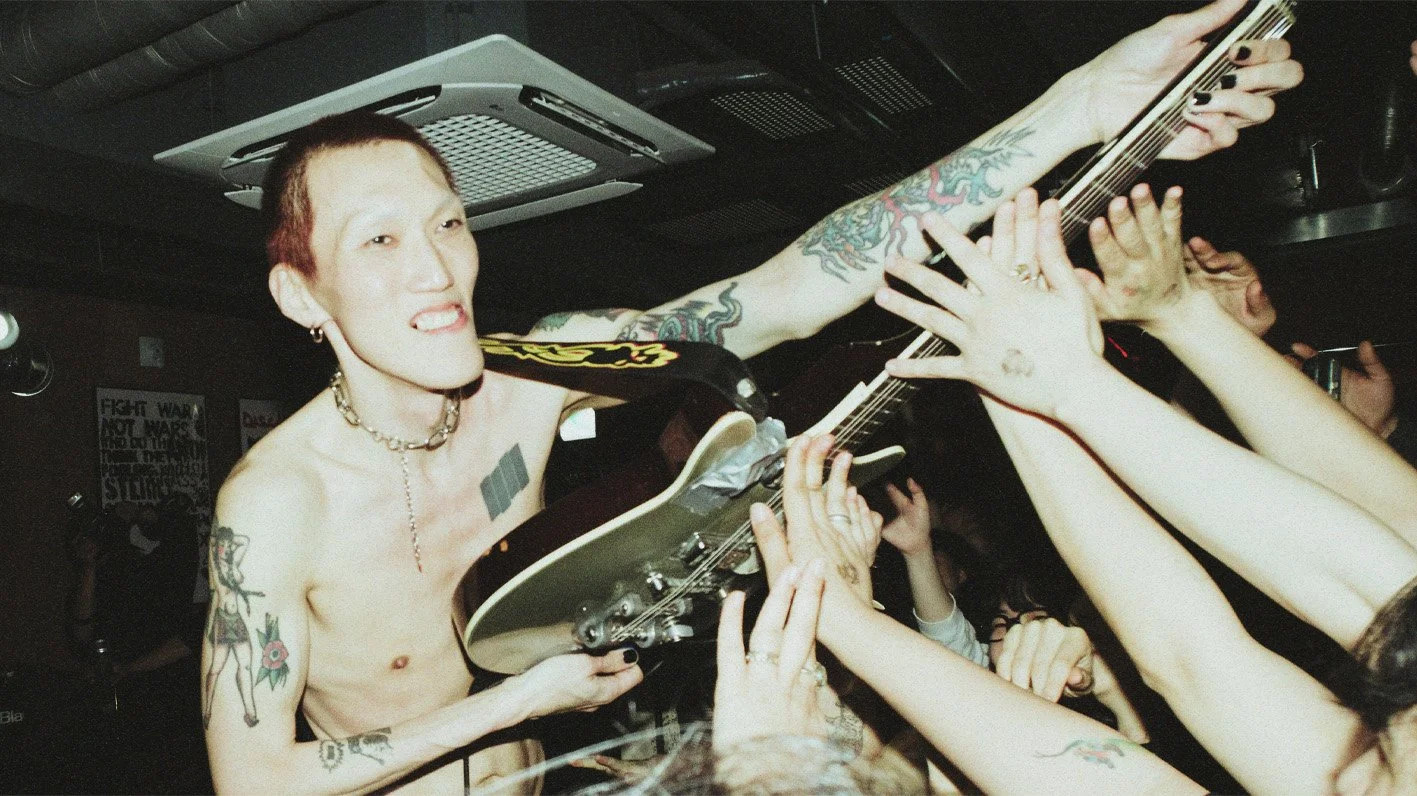
Mica Hopper (@mishckah)
Pictures by Christian Mata (@chris_isu_m)
Seoul’s small-but-hot garage punk scene has lost one of its most exciting voices. The 1234-Dah! have delivered their final transmission with Maximum Love, a 43-minute farewell that serves as both their creative peak and their swan song. Following the band's announcement that they're splitting up after this release, this 18-tracker carries the weight of finality—every riff, every scream, every moment of controlled chaos feels deliberate and precious.
For a band that built their reputation on wrestling-obsessed fury and basement show energy, Maximum Love represents a leap in songwriting maturity. Frontperson, Happy Izoko's vocals have evolved from pure aggression to something more nuanced—still capable of tearing your head off, but now seasoned with melancholy and retrospection. The rhythm section of bassist/vocalist Hogu Mask and drummer/vocalist Geuk-Ak Haru locks into grooves that are both heavier and more melodically sophisticated than anything in their previous catalogue.
The title track opens the album with a statement of intent. Built around a hypnotic bass line that doesn't fully reveal itself until the 1:30 mark, Maximum Love showcases the band's newfound patience with dynamics. Happy Izoko's vocals enter with restraint, building tension before the inevitable explosion. When the full band finally crashes in, the impact feels earned rather than gratuitous. The production captures every element clearly—a marked improvement from their earlier, muddier recordings.
UGLY DOLL follows with the kind of controlled mayhem that made The 1234-Dah! legends in Seoul's underground venues. The track's bridge features drumming from Geuk-Ak Haru that channels Keith Moon's destructive creativity, but with a precision that suggests countless hours of rehearsal. This isn't just noise for noise's sake; these musicians have learned how to make chaos serve the song.
The emotional centrepiece arrives with CREEPY LOVE, where Happy Izoko's voice cracks at the 2:45 mark in what feels like a genuinely vulnerable moment. The guitar work here transcends mere punk thrashing—Happy Izoko delivers a solo that sounds like a physical manifestation of heartbreak. The song's structure builds methodically, each section adding layers of intensity until the final chorus feels cathartic rather than simply loud.

The band's wrestling obsession reaches its zenith on GO ENZUIGIRI, a track that transforms their signature countdown chant into something approaching mythology. When Happy Izoko screams "1! 2! 3! 4! DAH!" over Geuk-Ak Haru's pounding drums in the final breakdown, the familiar refrain takes on new meaning. This isn't just a band keeping time—it's a countdown to the end of everything they've built together.
Their reworking of Is It Happy New Year? Happy New Year! You can do anything! demonstrates how distance can transform a song's meaning. Originally a straightforward thrash anthem from their 2022 demos, the track now carries philosophical weight. The addition of layered backing vocals creates an almost choral effect, turning what was once pure aggression into something approaching spiritual.
ALI VS INOKI serves as the album's conceptual anchor, using the legendary 1976 mixed martial arts bout as a metaphor for artistic struggle. The song's architecture mirrors a boxing match—the slow, circling opening, the explosive middle rounds, and the inevitable conclusion. Happy Izoko's vocal performance here is their strongest on the record, channelling both combatants' determination and ultimate futility.
Maximum Love's most surprising moments come in its quieter passages. Sweet Person strips away the band's usual sonic assault, revealing a melodic sensibility that was always lurking beneath the feedback. The song builds gradually, allowing each instrument to breathe before the inevitable full-band crescendo. The melody itself is genuinely beautiful—proof that these musicians possessed a range they rarely chose to display.
The Korean-language tracks add cultural depth to the proceedings. “A little more, even if it's Awkward” features Happy Izoko's most conversational vocal delivery, as if they're sharing secrets with the listener. When the full arrangement kicks in for the final chorus, the emotional impact is devastating. The juxtaposition of intimate verses with explosive choruses creates a dynamic tension that elevates the entire album.
A Dance From Afar closes the album with the band's most introspective statement. The track's wistful atmosphere cuts against their usual intensity, suggesting directions they might have explored with more time. The lyrics about watching from across the room feel like a meditation on missed opportunities, both romantic and artistic.
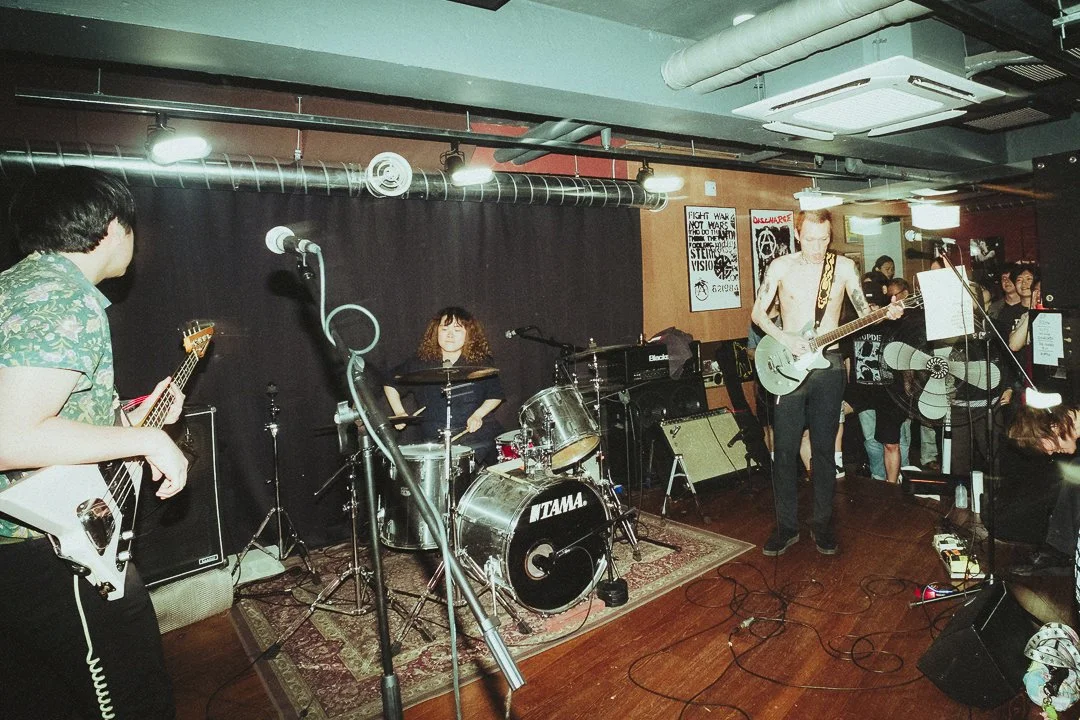
Working with producer Han Ji-won (known for his work with Drinking Boys and Girls Choir), The 1234-Dah! have finally captured their live energy in the studio. The bass frequencies have real presence without overwhelming the mix, while Geuk-Ak Haru's drums sound massive but retain their attack. Most importantly, the guitar tones achieve that perfect balance of blown-out distortion and clarity that garage punk demands.
The album's 43-minute runtime feels perfectly judged—long enough to explore every facet of the band's sound but concise enough to maintain intensity throughout. The sequencing builds logically from the opening statement through the emotional peaks of the middle section to the reflective conclusion.
The band's decision to split at their creative peak echoes punk's greatest traditions. Like The Sex Pistols or Minor Threat before them, The 1234-Dah! understood that artistic integrity sometimes requires knowing when to stop. In an era of endless content and perpetual touring cycles, their choice feels almost radical.
Maximum Love succeeds as both a farewell letter and a creative statement. The 1234-Dah! have crafted an album that honours their roots while pushing their sound into uncharted territory. Every track feels essential, every moment purposeful. The production finally matches their ambitions, while the songwriting demonstrates a maturity that makes their dissolution feel like a genuine loss.
This is garage punk that remembers punk's emotional core—the idea that music should matter, that bands should stand for something beyond mere entertainment. The 1234-Dah! stood for weirdness, for friendship, for the idea that basement shows could change lives. Maximum Love documents what that looked like when it reached its full flowering.
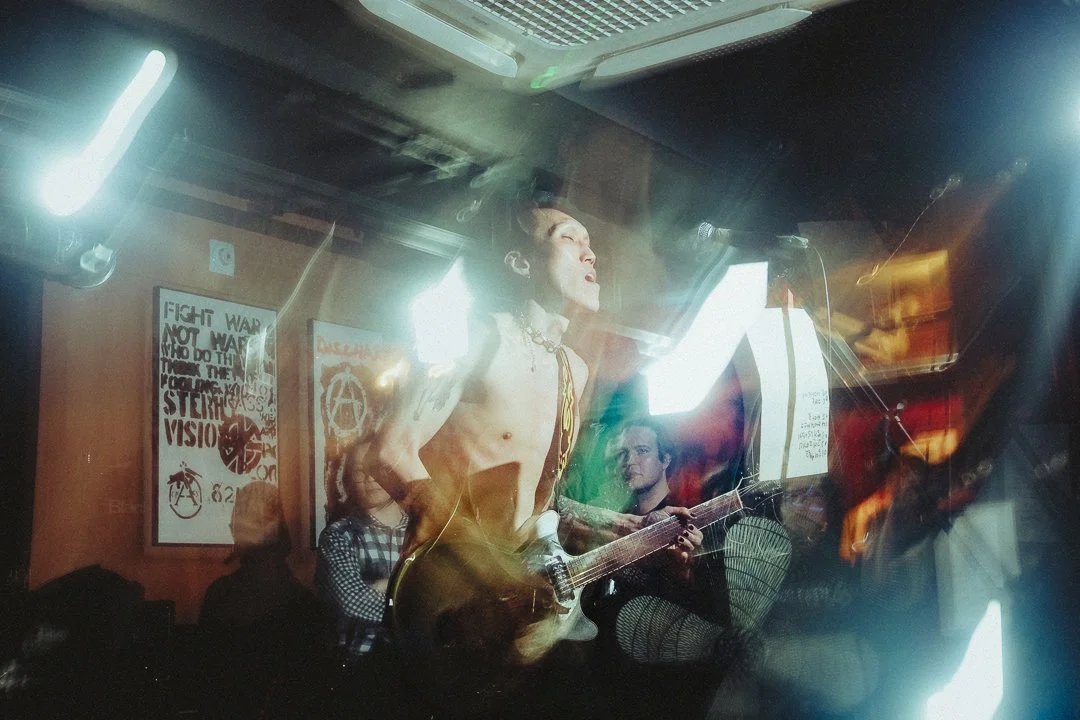
In Seoul's Hongdae district, where the band cut their teeth, venues are already planning tribute nights. But the best tribute to The 1234-Dah! would be picking up a guitar, counting to four, and adding your own "DAH!" to the ongoing conversation. They've left us with something beautiful and finite—exactly what the best punk records should be.
Bottom Line: The 1234-Dah! have delivered one of 2025's most compelling garage punk statements. Their decision to end at their creative peak makes Maximum Love feel both triumphant and tragic—a fitting farewell from a band that understood punk's emotional stakes.