
SUNNYSPOT Review: inaugural charity fest hits the spot
Written by Ethan Kim (@count.kim)
Pictures by Christian Mata (@chris_isu_m)
It is easy to be cynical about festivals. They are expensive to build, difficult to sustain, and almost always forced into the language of scale: bigger stages, bigger audiences, bigger names, bigger returns. However generous the intention, money tends to find its way to the centre. At some point, every festival has to ask what it can afford, what it can sell, and what kind of success it is expected to prove.
SUNNYSPOT, known in Korean as 볕 든 자리, begins somewhere else. It is not that the festival ignores money, but that it refuses to treat profit as the final measure of what a gathering can mean. In 2026, the indie charity event returned to Hongdae across 2 and 3 May, with proceeds going to Save the Children Korea and the Korean Association for Children with Leukaemia and Cancer. More importantly, it returned with a sharper sense of what it wanted to become: not simply a good cause, but a place where children and teenagers could be welcomed into the live-club scene as participants, not future customers.
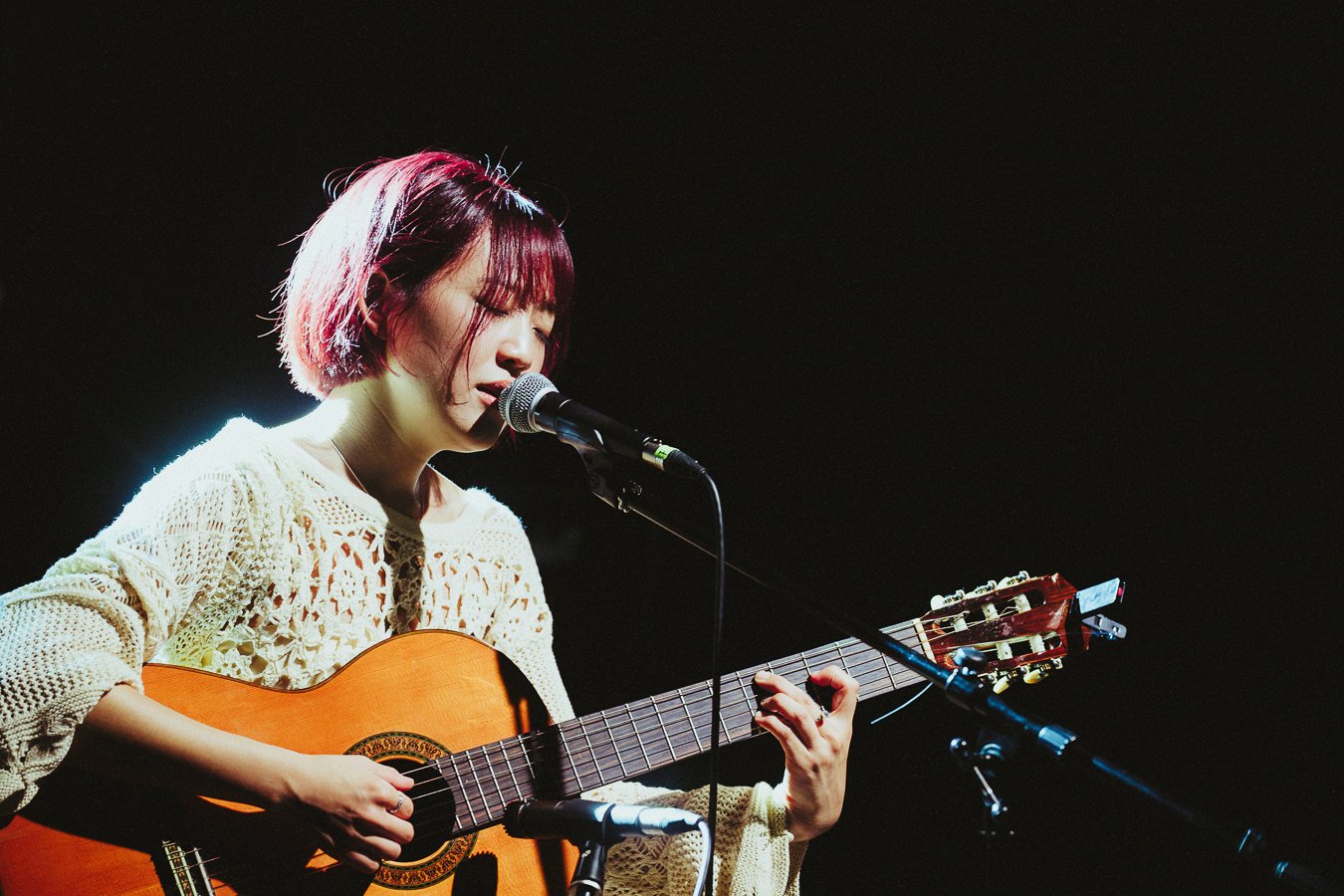
볕 is a small, nuanced word. It is sunlight measured as warmth, something that lands on skin, floor, wall, or stage. In English, sunlight tends to sit as an abstraction; in Korean, it becomes tangible. For organiser Kim Hyewon, this texture mattered. Though the organising team did consider using an English name, as festivals often do, in the end, "there was no word that could replace the warmth contained in 볕."
For a while, Kim found herself caught by the nature of sunlight, the way it falls on everyone without calculation.
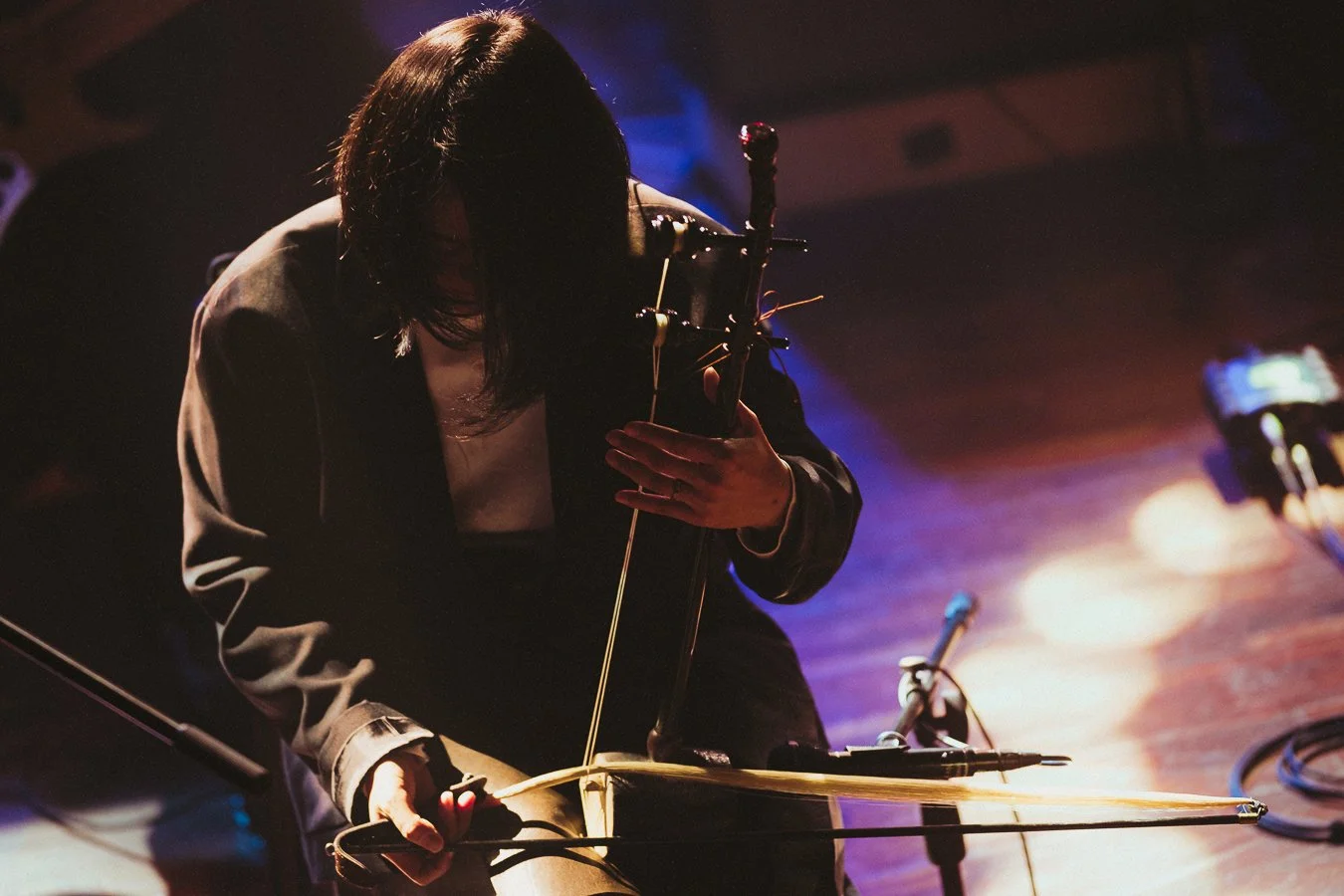
"Of course, in reality, the amount of sunlight above each person's head is different," she says. "But I hoped that the sunlight pouring from the stage could shine equally on everyone. I wanted this to be a place where audiences and artists could stand in the same light and sing from the same position."
The first SUNNYSPOT was not meant to become an ongoing festival. It began in late 2025 as a one-off project, organised with the Korean Association for Children with Leukaemia and Cancer to raise money for childhood cancer treatment. Because all profits were being donated, Kim found a rare kind of clarity in the work. There was no need to translate every decision into industry language. The point was simple enough to hold onto. "I was happy because I could simply do the best I could with the desire to create a positive influence in society," she says.
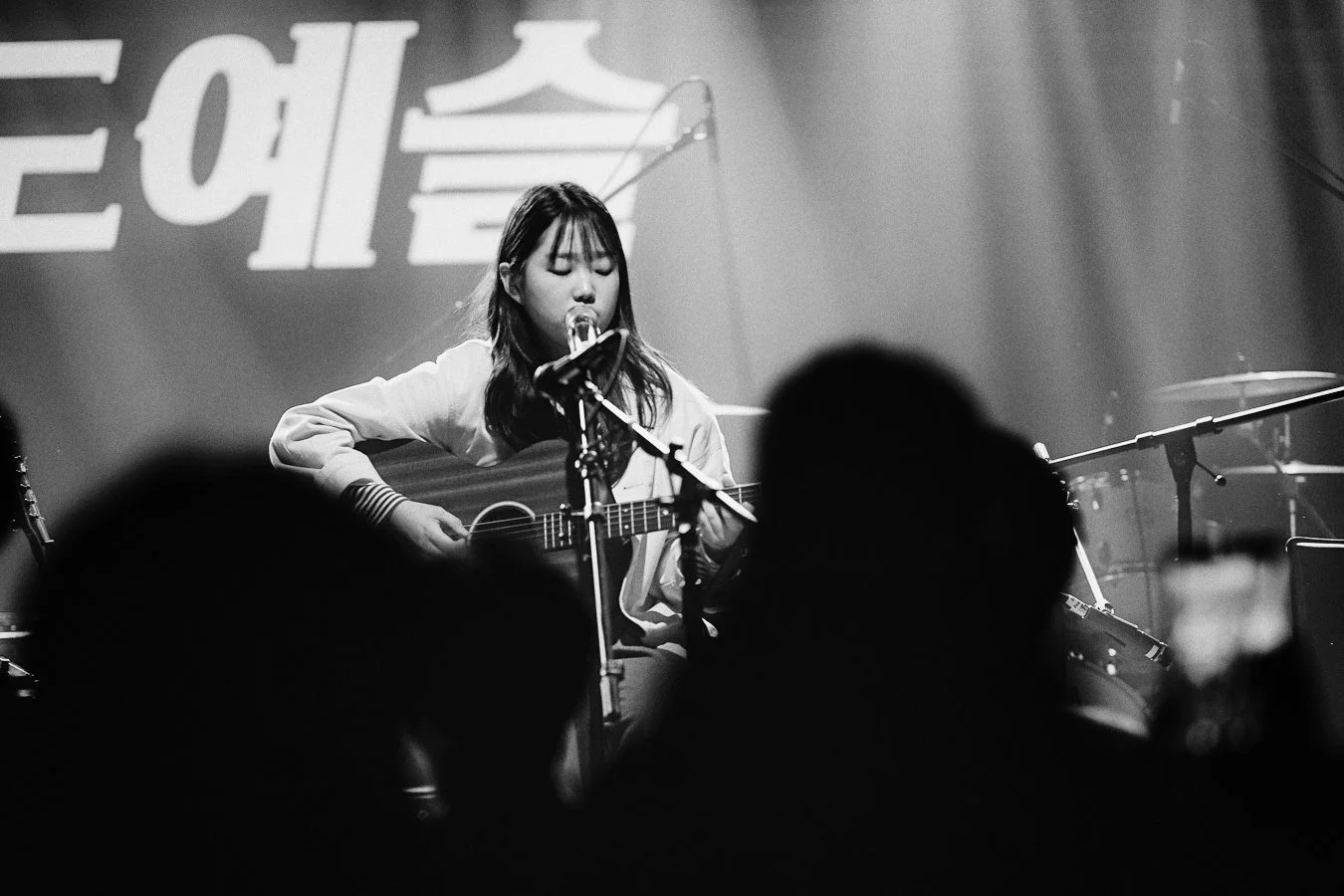
What could have remained a small charity concert began to feel like evidence of something wider in Hongdae. "It is often said that we live in an age full of cynicism and hatred," Kim says. "But there are always people who do not follow that trend. At least in Hongdae, which I love, I felt that there were many contemporary citizens."
Still, the first edition left behind a question. Fundraising for medical costs was urgent and meaningful, but the specificity of that purpose also limited what the festival could say. Kim began to wonder what SUNNYSPOT itself wanted to speak about, beyond the immediate act of donation. Who was this place for? What kind of absence had it noticed?
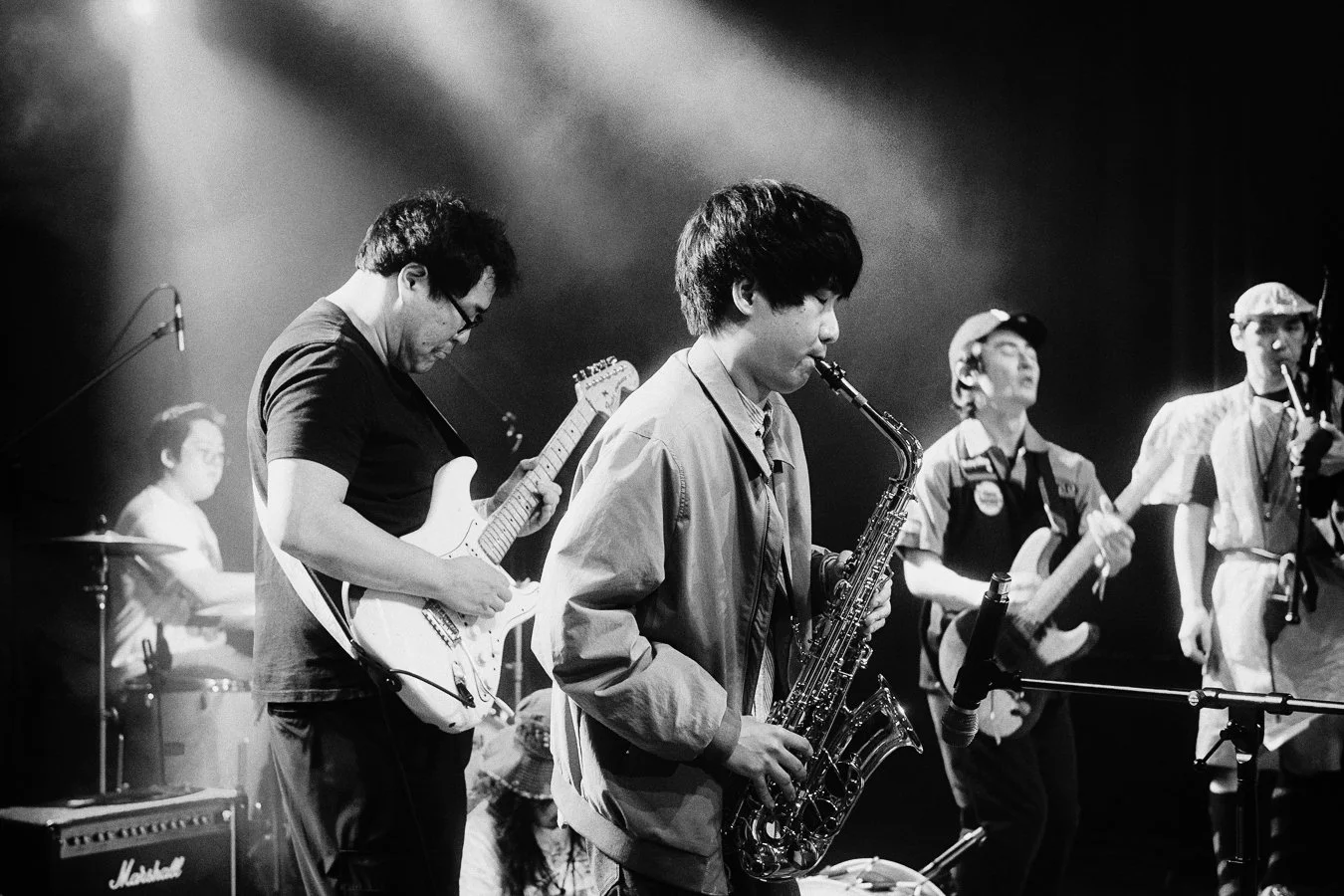
The answer appeared in the venues.
Looking around, Kim saw a familiar sight: adults. Though large-scale festivals in Korea have recently begun to draw teenage audiences, Hongdae's live-club circuit is different. It is where many independent artists grow, experiment, fail, and return. But it is not run with young people in mind. Though not explicitly barred from entering, that is not the same as being welcomed. So SUNNYSPOT's direction became clear.
"Society is already harsh towards children, so others in society have a duty to welcome them more, to make the road wider for them," Kim says. "Children and teenagers should have diverse experiences through indie music, and through that, find themselves."
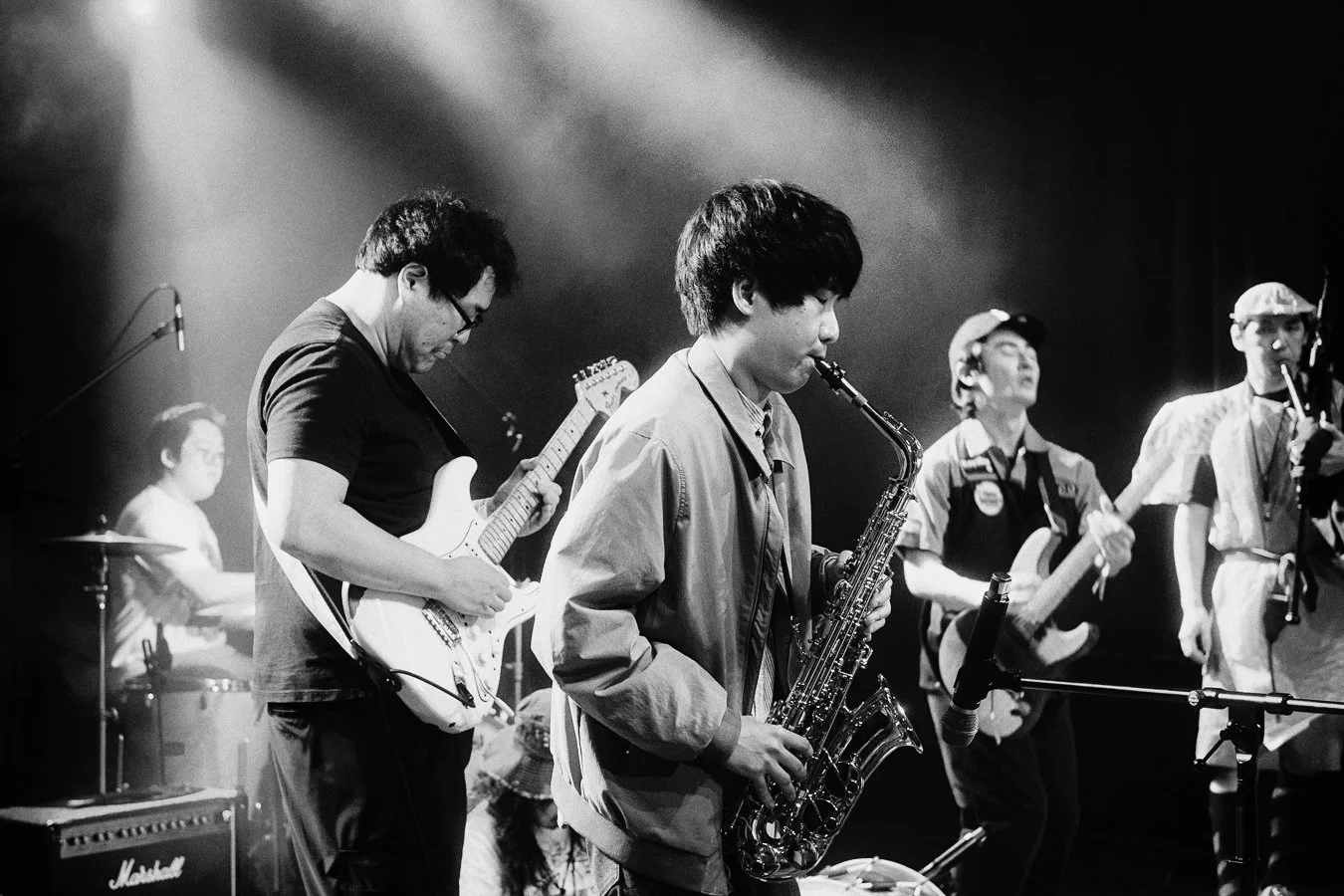
There is something quietly radical in that idea: it does not treat youth as an audience segment. SUNNYSPOT is not arguing that teenagers should be brought into the indie music scene as fodder; it is arguing they should be the scene. Long romanticised as a nursery for Korean indie music, Hongdae can only keep that mantle if it stays open to those who are just beginning.
Ahead of the 2026 edition, the team reached out again to artists they had contacted the previous year but had not been able to work with at the time. This time, with the festival's purpose more expanded and precise, the response was stronger. One of the clearest expressions of that invitation came through the teenage artist slots. Kim says there were no restrictions around gender, school or age. Nor was the process simply about technical ability.
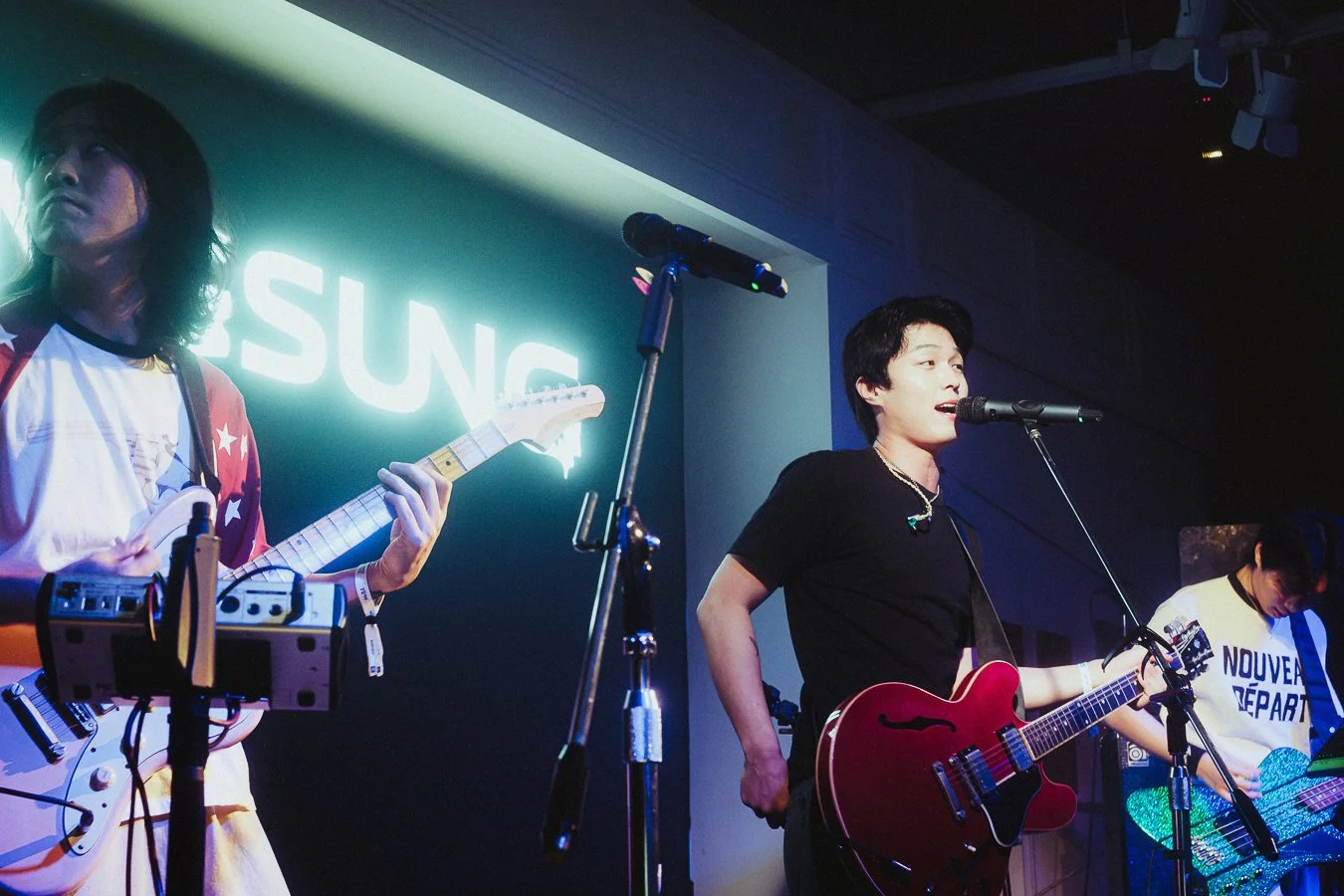
"We looked more at their desire to make music, and how much they enjoyed and loved the stage," she says.
There were applicants the team could not include, and Kim still speaks about them with regret. Even for those who did not make the final line-up, she hopes SUNNYSPOT can remain connected in some way, whether through tickets, clinics or future opportunities.
Among the performers who did take part, Kim remembers Geunggeung with particular tenderness. "Even when they made mistakes, they smiled at each other as if to say it was fine," she says. "They looked like they were having so much fun." The band's bassist had brought the group together herself. She was a fan of Leeparan, especially Yunsu, whose playing had inspired her to start bass. "At a young age, liking something did not simply end as liking it," Kim says. "It became the thought: 'I should try this too.' I thought that was wonderful."
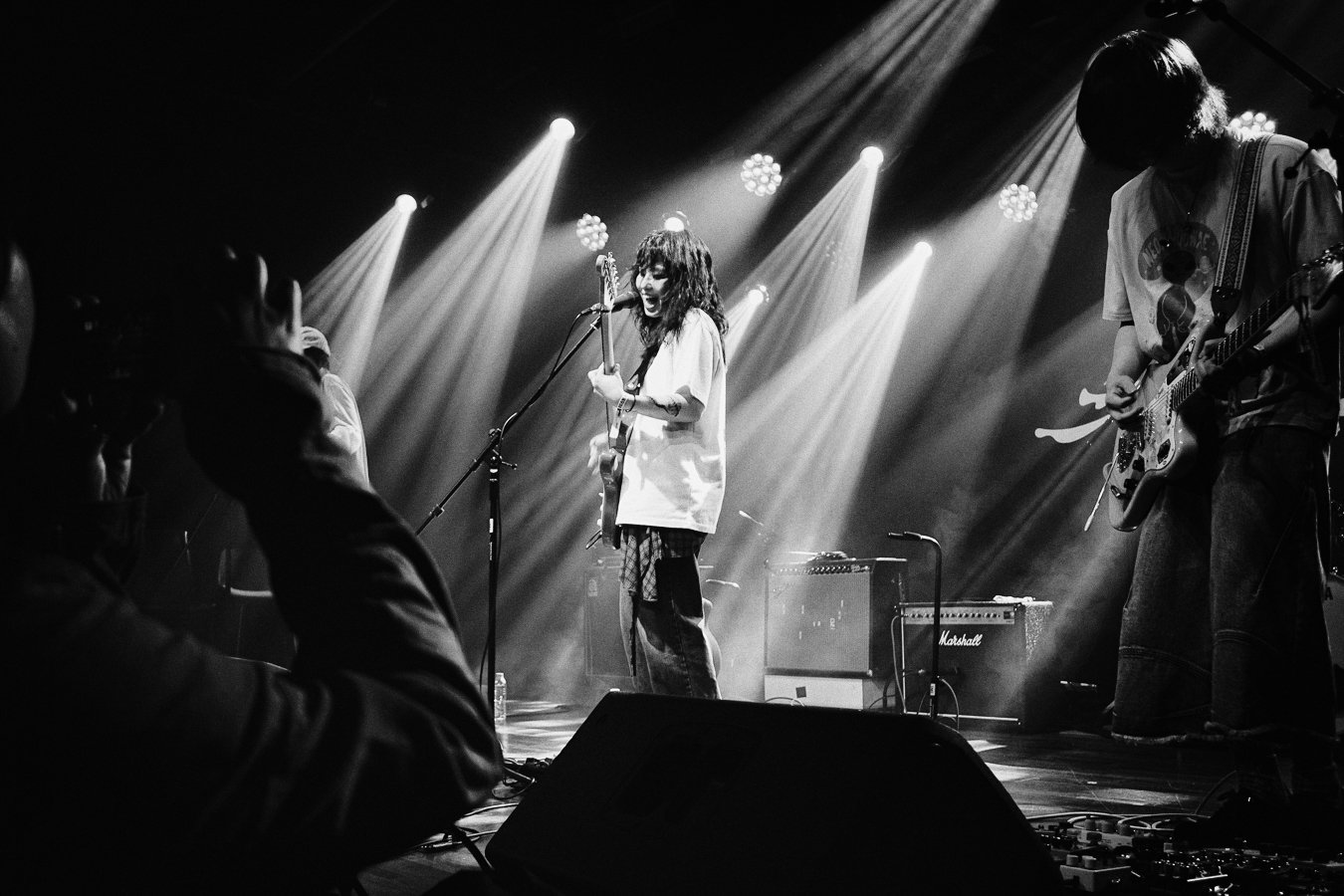
Kim Daehyun carried a different kind of familiarity. He is already active in the Hongdae scene under the name Glass Boy, and although Kim had not seen him perform before SUNNYSPOT, she knew the name from the distinctive shows he had been organising. Among the applicants, he seemed the most accustomed to the stage. In conversation, though, he was shy.
What stayed with Kim was his decision to apply under his real name rather than his artist name. He worried that applying as Glass Boy might make his selection look like it had come from recognition rather than sincerity. It was a small decision, but it revealed the seriousness beneath the youth.
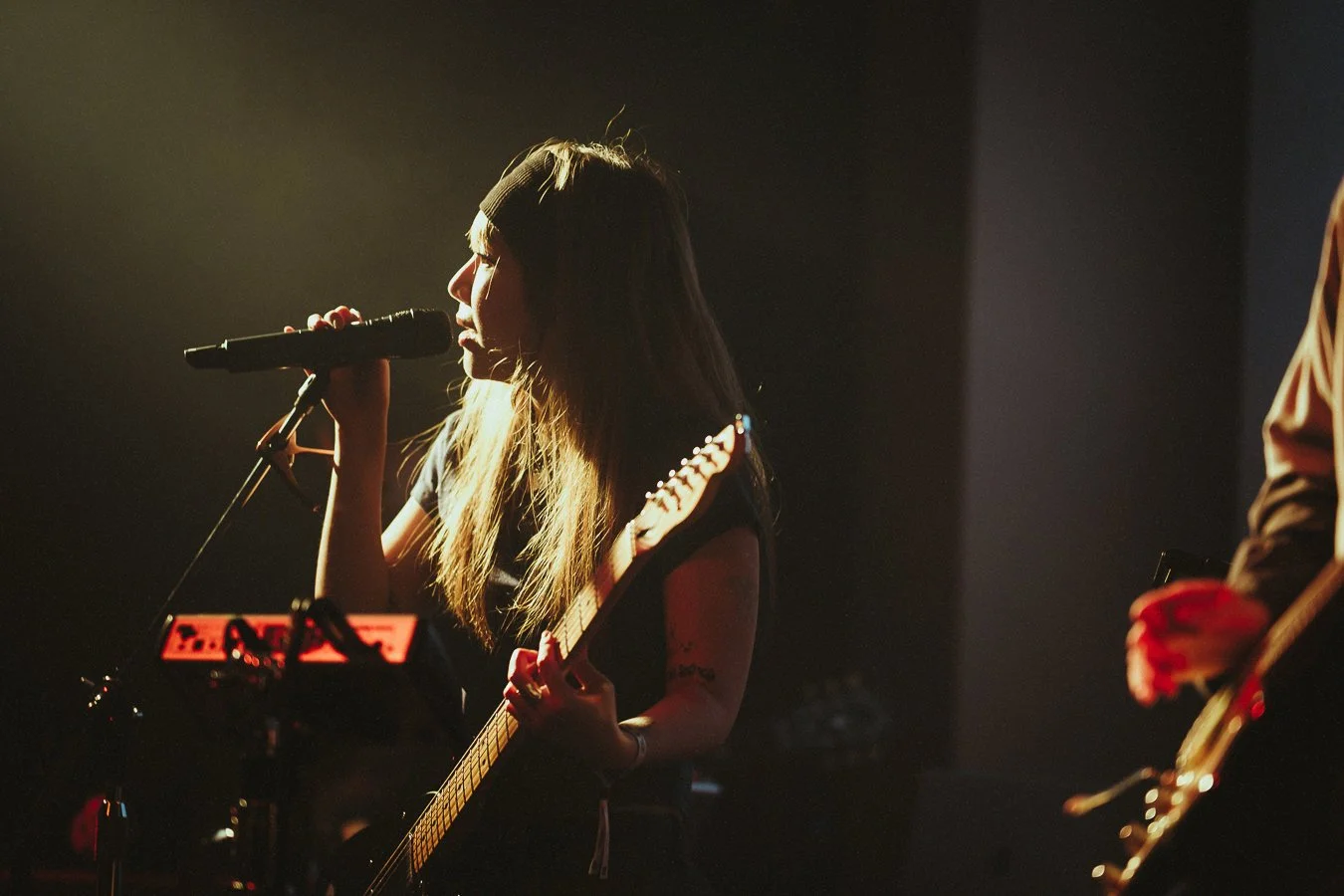
The most unforgettable moment of the festival, however, came through Yeseul Do's performance with Sanmanhan at Space Brick. Yeseul was a devoted fan of the band and had said repeatedly that she was nervous about singing in front of artists she admired, especially because she was covering one of their songs. On the day of the show, after speaking with her backstage, Sanmanhan made a small but decisive gesture. They cleared around five minutes of their own set, introduced Yeseul to the audience, and let her sing.
"Yeseul sang facing Sanmanhan," Kim says. "She was so polished and beautiful that you could not see her nerves at all."
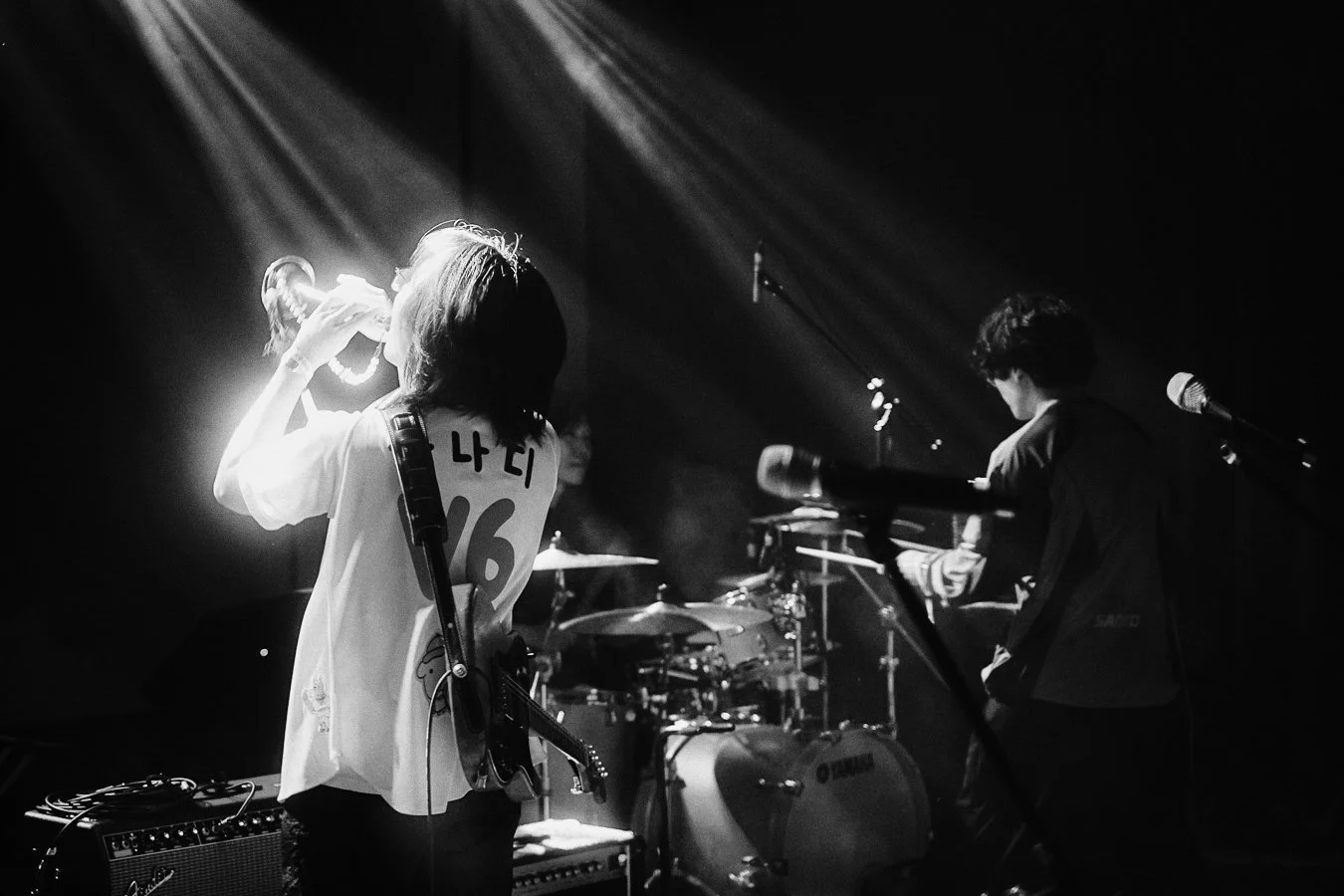
After finishing, Yeseul returned backstage to find that all the artists who had performed at Space Brick had stayed behind. They clapped for her, encouraged her, and turned what could have been a frightening first step into a memory. Kim found herself crying.
It is tempting to describe that moment as heartwarming, but that feels too easy. What happened was more specific. For a few minutes, hierarchy thinned out. An established band gave time to a young fan, the fan became a performer, and the room adjusted itself around her. SUNNYSPOT's idea of equal sunlight stopped being metaphorical. It became a stage plan.
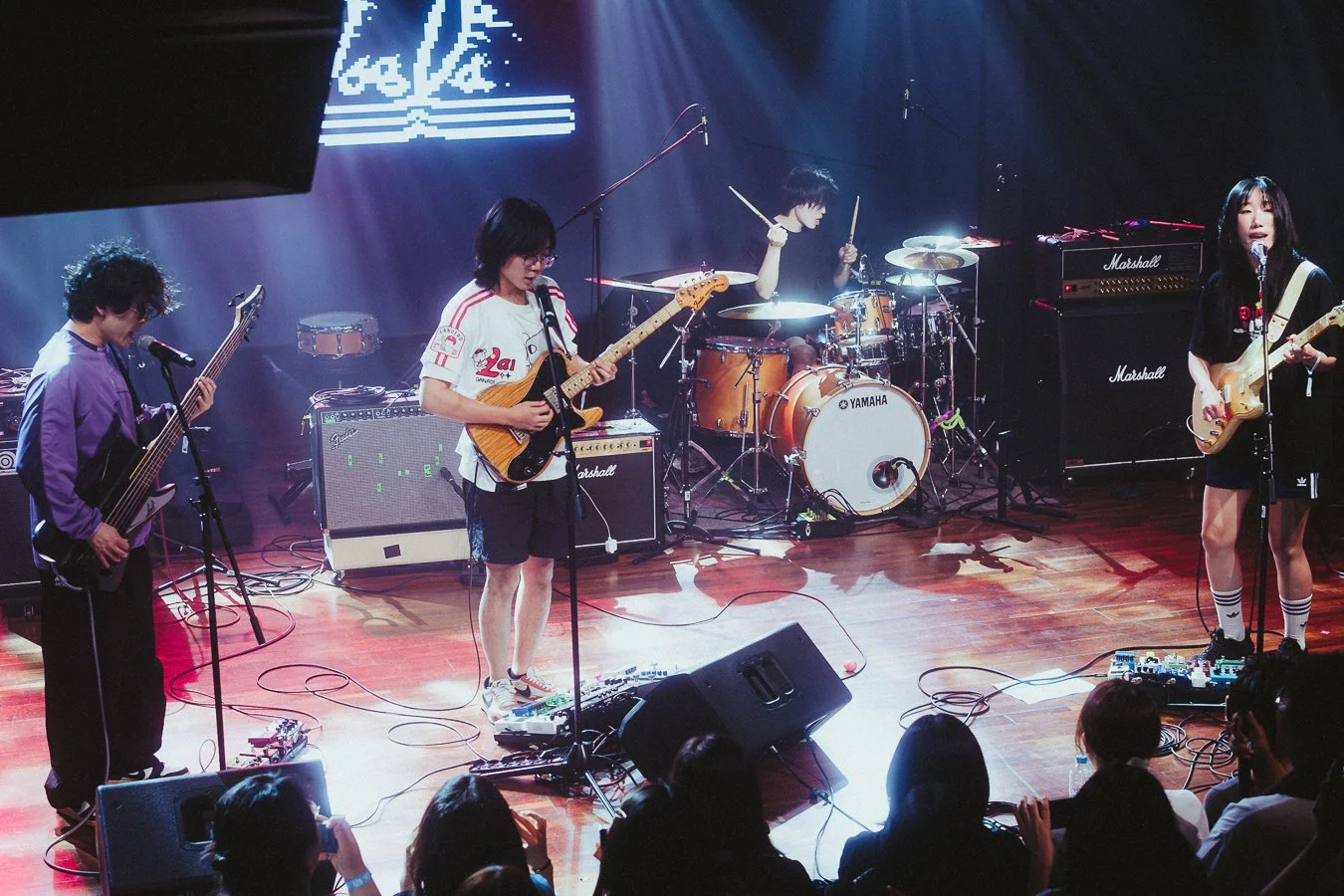
After the festival, Sanmanhan also wrote about wanting to create youth ticket pricing at future shows, so that children and teenagers would not be kept away from performances by cost. For Kim, that mattered because it suggested the event had done more than gather people for a single act of charity. It had pushed musicians to think about the long life of the scene.
"It must have been an unforgettable experience for the teenage artists," she says. "But I was also happy that, for established artists, it became an opportunity to think about the long-term life of the scene and its generational expansion."
What SUNNYSPOT wants to leave behind is not a slogan. Kim hopes more young people will try the things they want to do in their own lives, in the way Geunggeung and Daehyun did. "I think culture should help children exist as themselves," she says. "They should not be trapped inside ideas of what is 'childlike', nor should they be forced into 'adult-like' behaviour. Without pressure, recommendation or demand, culture should help them find what they want to say for themselves."
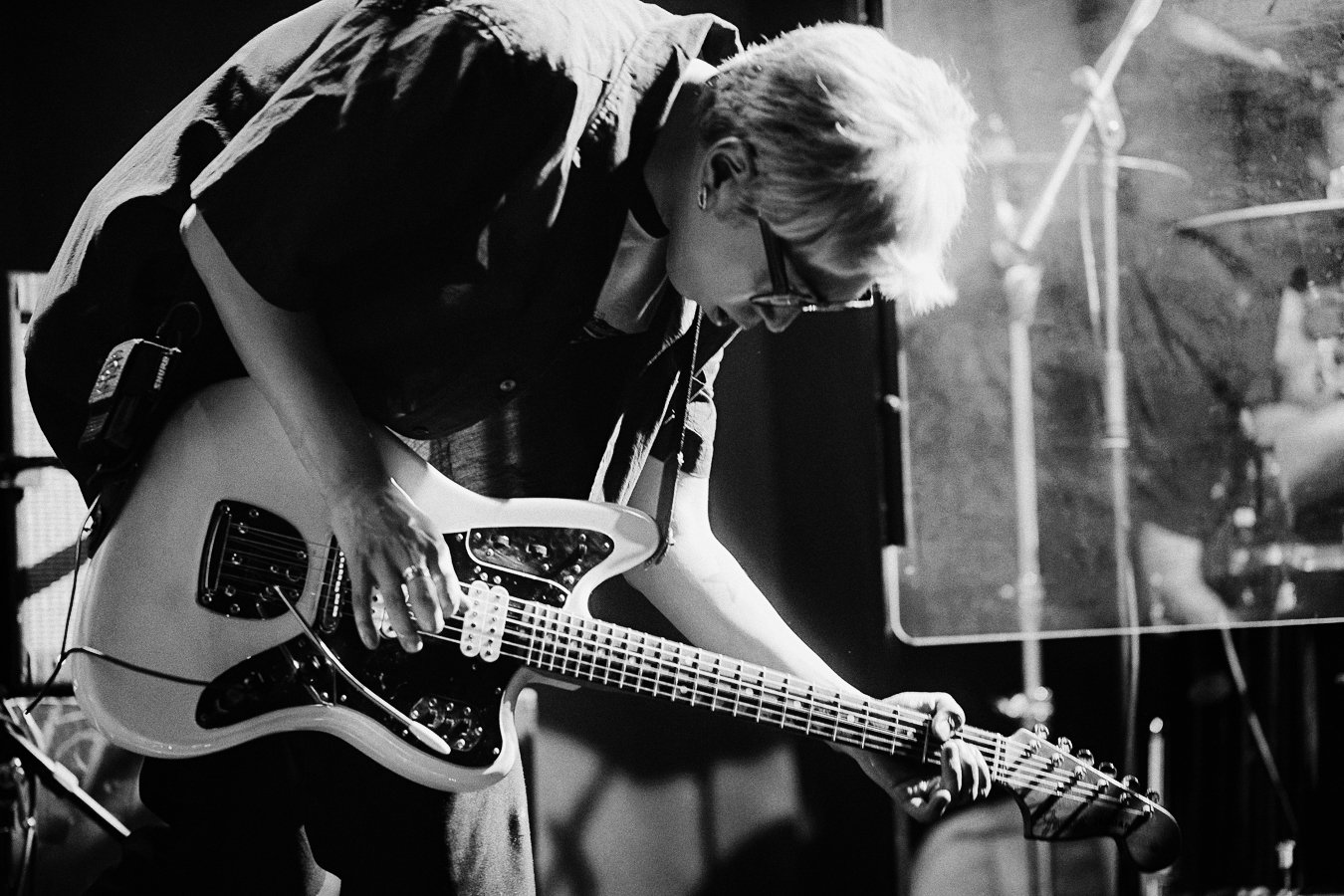
Indie culture may be especially suited to that task. At its best, it gives value to uneven voices, small rooms, unfinished attempts and private languages. It can teach people that they do not need permission to begin, but only if the room is already open when they arrive.
For Kim, that openness begins with adults learning to look from the same place as children. This should not be impossible; every adult has once known what it means to want something before knowing how to ask for it. To look from that place is not to treat children and teenagers as fragile recipients of kindness, but to recognise them as citizens who can sing, dance, listen, make mistakes and return.
That is what SUNNYSPOT seems to offer Hongdae: not a perfect answer, but a shift in where the light falls. The sun does not become smaller when more people stand in it. Sometimes the whole room changes because someone has made space.
For more information on SUNNYSPOT, follow them here.