
In bloom: Shirosky reflects on loss and creativity
By Jamie Finn (@jamiefinn2209)
After 16 years crafting instrumental hip-hop that moves between seasons, Shirosky’s new EP Harvest reaps what she sowed in loss and proves patience can be a radical act in music.
In 2019, as Shirosky was completing her EP The Seed, her mother died. The Seoul-based producer, known for her warm, jazz-infused hip-hop instrumentals, had always been deeply attached to her. The loss was devastating. Yet something unexpected happened: the act of finishing that album became a lifeline. “The thought that I needed to finish that album gave me the will to live and keep creating,” she tells us, speaking from her studio in Seoul. The Seed became a promise—not just to her mother, but to herself—to become “a better person and artist.”
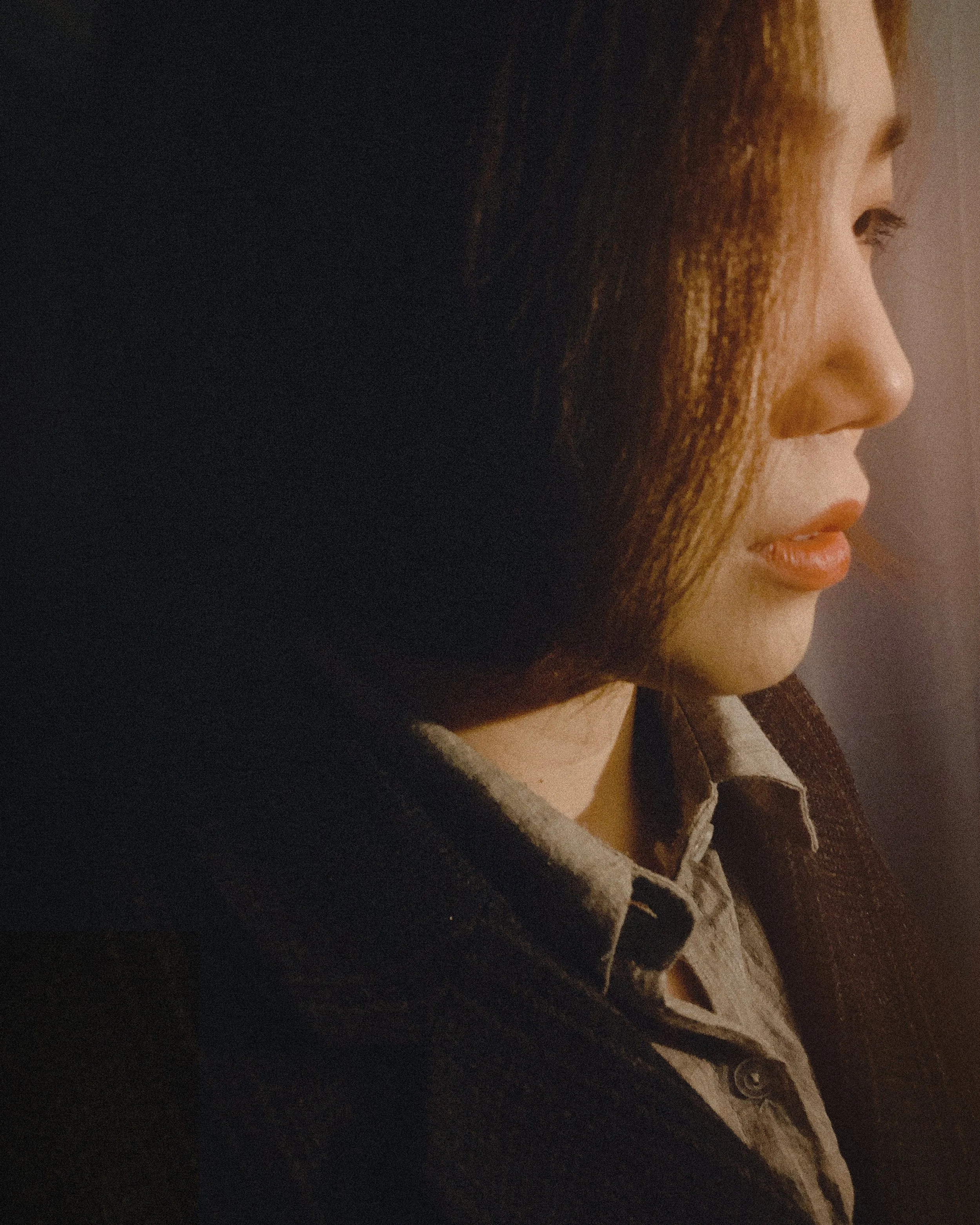
The album performed well. Melon named it one of 2019’s best underground hip-hop releases. Shirosky, who began her work in 2010, seemed poised for an upward trajectory. Then her health intervened. “I suddenly developed a hearing disorder and almost had to quit music altogether. I couldn’t make music for about three years.”
Now, six years after planting that metaphorical seed, Shirosky has finally harvested it. Her new EP, titled with characteristic directness Harvest, completes a cycle that began in grief and ends in creativity. It’s an album about memory and endurance that shows her love for the peers and fans who stayed constant through her break. “Looking around, I saw that the people who helped me and the fans who supported me through the hard times were still there,” she explains. “For them—and for myself—I decided that it was time to harvest.”
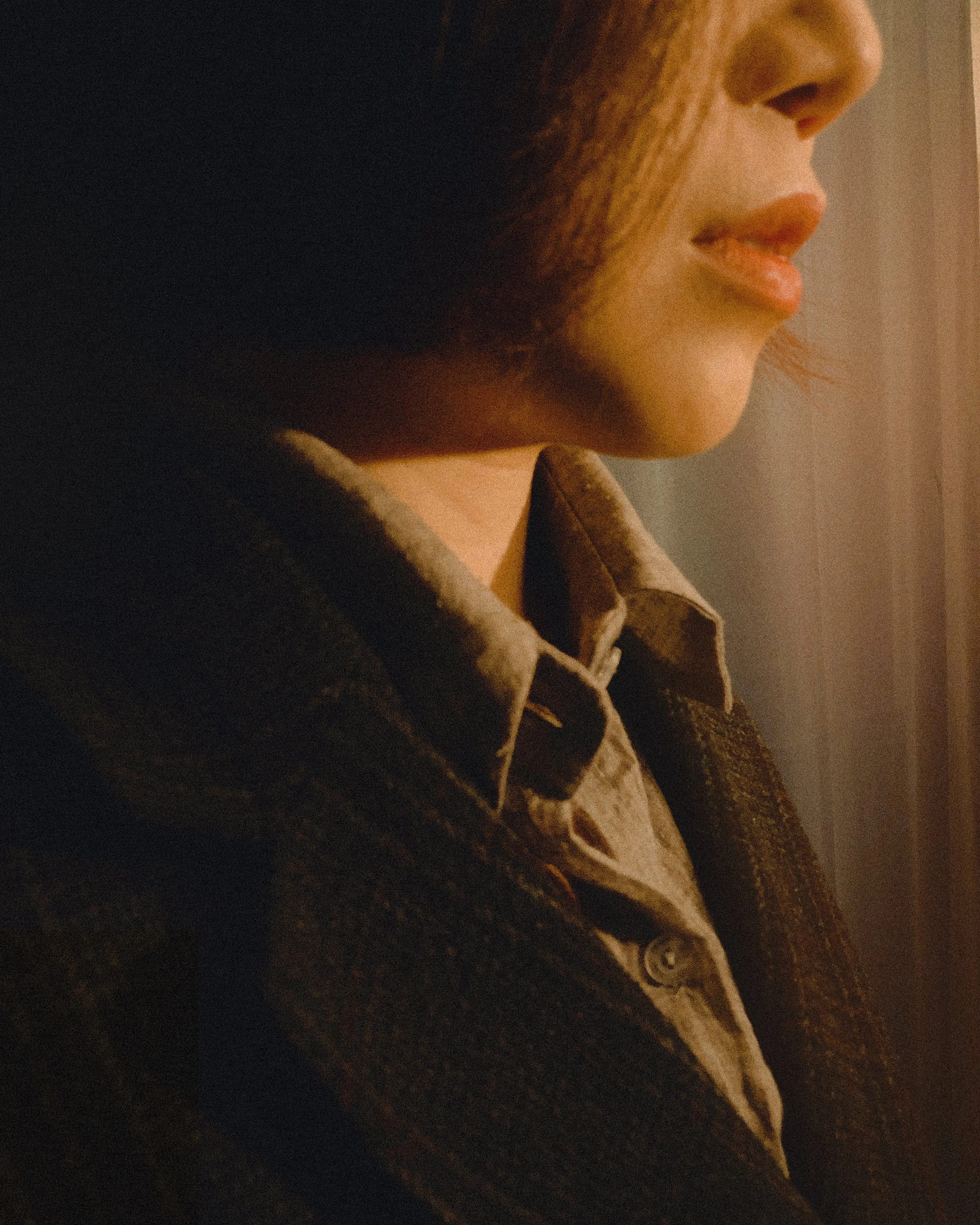
This sense of natural rhythm—of waiting, growing, returning—runs through Shirosky’s entire catalogue. From The Orbit (2010) and From Earth (2013) to La Lecture and now Harvest, her titles show the producer’s interest in the natural world. “I simply believe that what’s natural is the most powerful and energising,” she says. “As a child, whenever I felt lost or troubled, I found comfort in the beauty of nature—flowers, trees, mountains, and stars. Those moments gave me strength. That’s why I want to share that same strong, healing energy through my music.”
When describing her creative process, Shirosky often talks about sensory crossovers. “I think I have a bit of a synaesthetic tendency,” she admits, laughing slightly at the difficulty of explaining it. “Sometimes I hear a sound and think, ‘That’s a green sound,’ or ‘That melody smells like mint.’ There are dynamic movements in music—in pitch, instrument velocity, or the vibrations created by synth LFOs and sidechains, or the arpeggios that create momentum. In a way, I compose as if I’m painting vividly on a blank DAW screen.”
The result is music that tells stories without words. Her tracks layer acoustic warmth over distinctive hip-hop grooves, using loops that encourage deep listening, even meditation. “There’s something about minimal, repetitive loops that makes me imagine deeply,” she reflects. The influence of J Dilla, Nujabes, and 9th Wonder is evident, but so is something less direct: an interest in letting the music breathe. “Instead of filling every moment with sound, I try to leave enough space for listeners to use their imagination,” she explains. It’s an approach that used to be more theoretical but has become increasingly intuitive.
Shirosky’s relationship with sampling has evolved since her early work. The Orbit and From Earth relied heavily on sample-based production, but by 2014’s Domino, she’d begun incorporating electronic sounds and live recording. Her 2016 full-length La Lecture struck roughly a 50–50 balance. Harvest tilts even further towards live instrumentation, partly because she’s recently taken up guitar. “I’m not a great player,” she admits, “but there’s something deeply human about the rhythm and resonance that comes from a guitarist’s touch—it stirs something primal in me.”
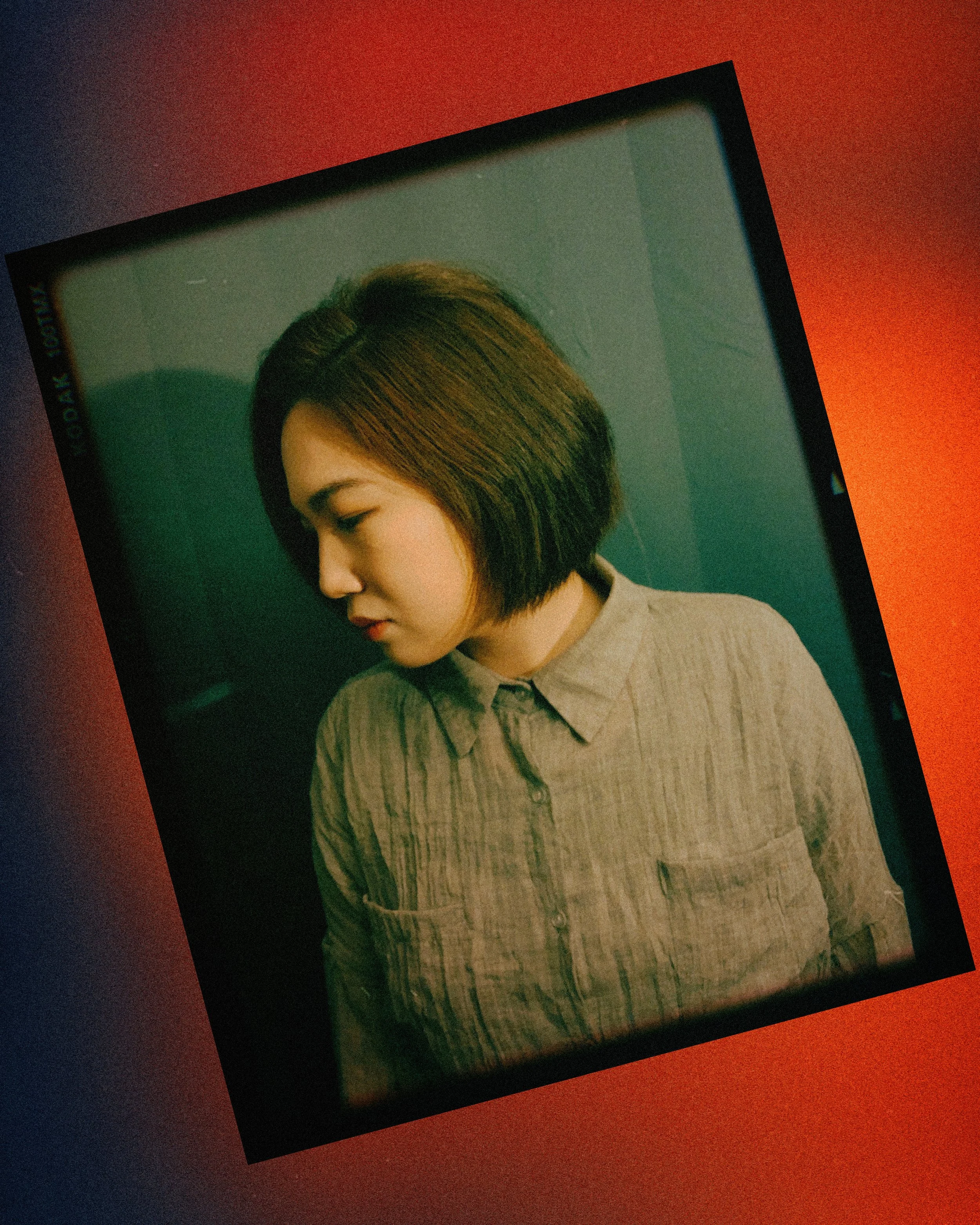
When she does sample, she approaches it with what she calls respect for “the personality and integrity of the original piece.” It’s both homage and conversation—a dialogue with the past rather than mere appropriation. This ethic extends to her collaborations. Though she’s worked with everyone from rappers Justhis and Basick to the Ambiguous Dance Company, she singles out her partnership with MYK of SALTNPAPER as a standout moment. “We have different musical backgrounds and sounds, but similar sensibilities, which allowed us to experiment freely.”
On Harvest’s lead single, I Still Remember April, vocalist JEMMA provides the emotional anchor for a song about friendships formed a decade ago—relationships that endure even as lives diverge. It’s a sequel of sorts to Shirosky’s 2015 track I’ll Remember April, and captures the album’s central tension: how do we hold onto the past without being imprisoned by it?
Despite 16 years in the industry and consistent critical acclaim, Shirosky remains open about the precarious economics of being a producer in Korea’s music scene. “Producers and beatmakers still face low pay and heavy workloads,” she states flatly. “Some rappers or label heads drive nice cars and earn well, but beatmakers rarely do.”
Her own income has come more reliably from commercial work (such as advertisements for brands like Volkswagen and Golden Blue) and from DJing rather than production. “I used to earn more from making music for commercials, and received more attention when performing as a DJ rather than a hip-hop producer,” she notes.
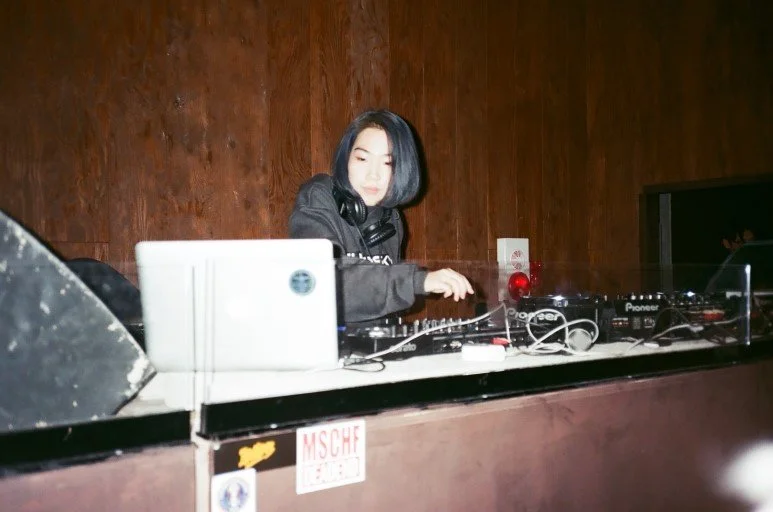
Shirosky moves between Korea’s indie, hip-hop, and jazz communities, and observes distinct values in each. “The indie scene embraces freedom and DIY creativity, allowing for more experimentation. The hip-hop scene tends to focus on the artist’s energy, charisma, and trend-setting power—it’s more entertainment-oriented. In jazz, the emphasis is often on musicianship, performance skill, and recording quality.
Now that I think about it, I’m technically part of the hip-hop scene, but maybe I don’t fully embody all the elements that are most valued there,” she laughs.
Because Shirosky handled much of the mixing and mastering herself, Harvest is what she calls “a bit rough around the edges” quality-wise. But this was intentional. “I left them that way to let the six tracks grow naturally like fruits from the same tree, each with its own size and shape,” she explains. It’s a philosophy that extends from her production techniques to her career trajectory: resist the pressure to perfect, to smooth out all the interesting bits.
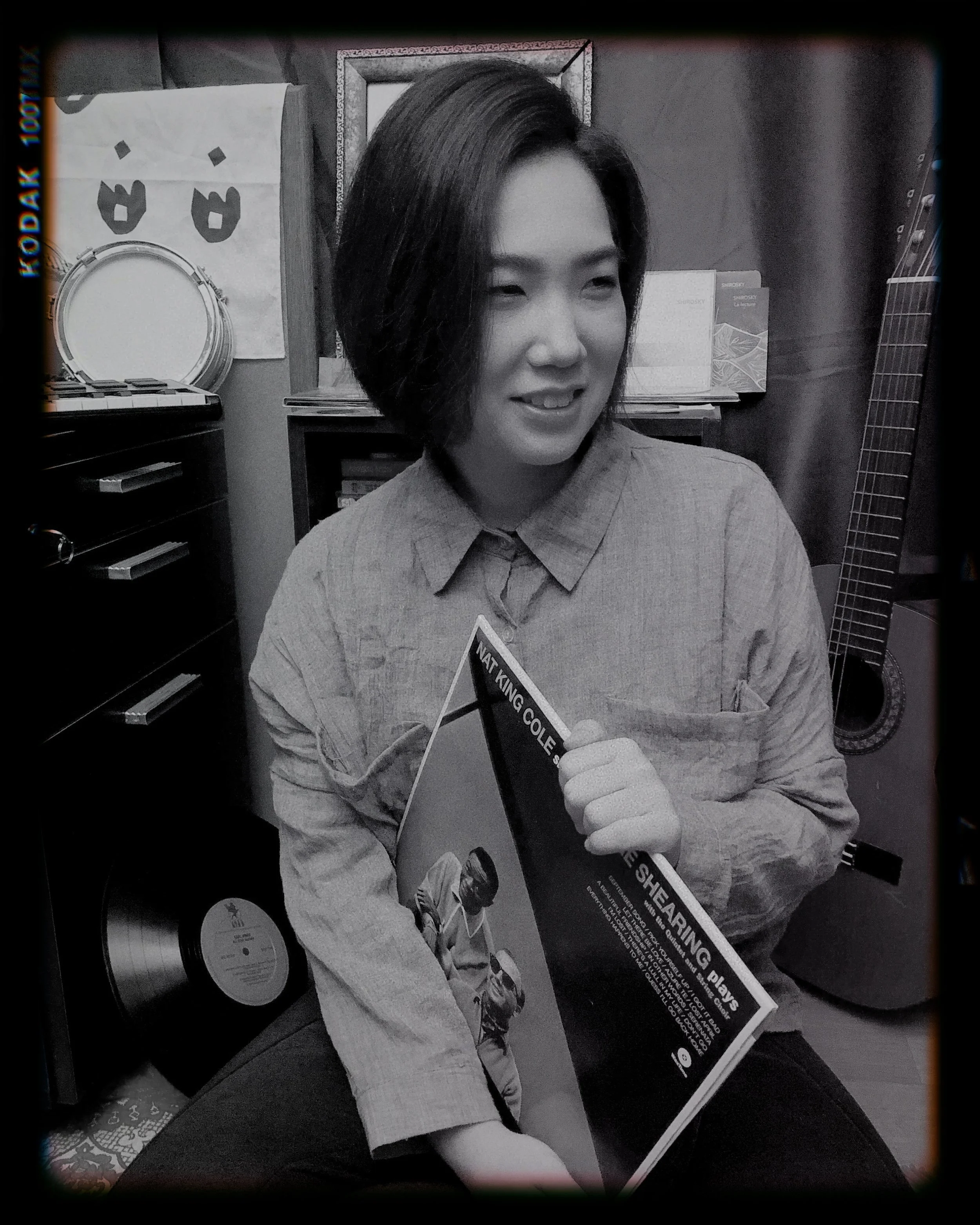
Looking back at her 2010 debut, she sometimes thinks she made “more diverse and daring music back then. Because I didn’t know much at the time, I was able to experiment freely without overthinking.” Experience brings technical improvement—better instrumental skills, stronger harmony—but can also breed a kind of caution. “I often have to remind myself to reconnect with the experimental approach to sampling I had during those early years.”
Memory, for Shirosky, is a personal interpretation—a mixture of how we see ourselves, what we desire, and what we lack. “When I listen to albums I made over a decade ago like The Orbit or Adaptation, I often catch myself thinking, ‘Oh, that’s how I felt back then—that’s what was happening in my life.’ Sometimes it moves me, sometimes it makes me laugh. In a way, music is how I document who I was at that moment in time through memory.”
Harvest, then, is both document and testimony. It maps Shirosky’s journey from spring to winter and back again, proving that creativity and survival are sometimes the same act. Here, she has made something entirely unique: an album that took six years to complete, that values patience over productivity, that understands healing isn’t linear. The seed has become fruit—crooked and real.