
The Tiger Returns: We talk to Leenalchi about creating their own folktales
Written by Jamie Finn (@jamiefinn2209)
This article is taken from Debaser Magazine Issue #1, which you can order here.
After a period of relative quietness, alternative pop ensemble Leenalchi are back with new material that signals not merely a return but a significant artistic evolution. The group, which became well known for their innovative fusion of traditional pansori vocals and contemporary electronic arrangements, are now poised to redefine expectations once again with what members describe as their most authentic work to date.
Since their meteoric rise following their debut album Sugungga and their viral appearance in the Korean Tourism Organisation's "Feel the Rhythm of Korea" campaign, fans and critics alike have eagerly anticipated Leenalchi's next step. That wait is now over, with the ensemble unveiling a collection of new tracks that push beyond the parameters established by their earlier work.
"If the first album was the result of exploring Leenalchi's musical direction, the second album serves as a milestone that fully reveals the path we have been shaping," explains vocalist Ahn Yiho, suggesting a newfound clarity of artistic vision. "To put it a bit boldly, the real Leenalchi music might actually begin now."
What distinguishes Leenalchi's comeback is not merely the release of new material but a fundamental shift in their creative approach. While their debut album reinterpreted the traditional pansori tale Sugungga, their latest work ventures into entirely original narrative territory.
"In terms of content, our first album was based on Sugungga, one of the five traditional pansori classics. In contrast, our second album is built on an entirely new narrative created in collaboration with writer Kim Yeon-jae," notes Yiho, highlighting this pivotal creative departure.
This transition from adaptation to original storytelling represents a significant artistic risk—one that appears to have yielded compelling results. Bassist and producer Jang Young Gyu contextualises their evolving sound: "If we compare it to an amusement park, Leenalchi's music is like a 'haunted house.' The instruments and vocals function as each other's framework, intertwining to create an unexpected and thrilling experience for the listener."
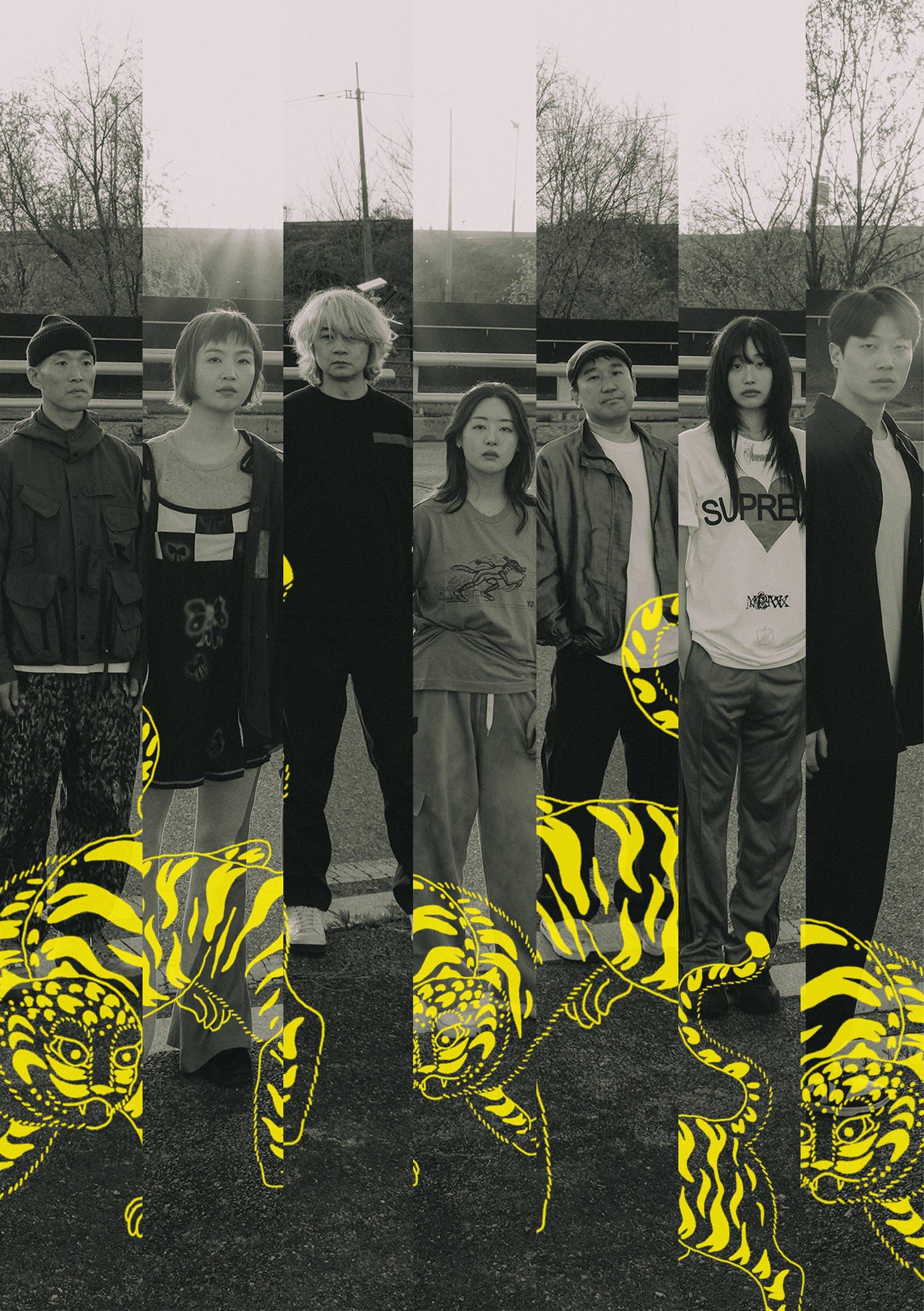
The extended absence appears to have been a period of intensive creative development for the ensemble, particularly in their narrative approach. Working closely with writer Kim Yeon-jae, Leenalchi has constructed an entirely original story framework for their new material.
"The process involves the writer developing a narrative, which we then adapt to pre-existing musical ideas," explains Yiho. "This requires two to three rounds of revisions, during which we deliberately avoid melodies that fit too perfectly or lyrics that are too easy to sing. This approach helps create unexpected musical moments and surprising elements of fun."
Young Gyu elaborates on the thematic content of their new work: "The story of our second album follows characters named Dhumy and Zaru on their journey to find those who exist outside the boundaries of what is considered 'normal.' This made it even more important for us to embrace unpredictability in both the storytelling and the music."
Leenalchi return with a renewed commitment to artistic authenticity and innovation. Young Gyu describes their refined creative process: "For Leenalchi, the most important thing is creating music that is uniquely our own. To achieve this, we constantly experiment with both chance and intention, pushing ourselves to explore new musical possibilities."
This period of creative incubation has allowed the group to refine their distinctive amalgamation of traditional and contemporary elements—a blend that now appears more seamless and assured than in their earlier work.
During Leenalchi's quieter period (they still produced several songs for movie/TV soundtracks), numerous artists have emerged exploring similar terrain at the intersection of traditional Korean music and contemporary sounds. Rather than diminishing Leenalchi's significance, this development contextualises their pioneering role among others in this cultural movement.
"I see it as a natural progression," observes Young Gyu. "Musicians trained in traditional Korean music are exposed to a wide range of sounds throughout their lives. When they come across something that truly moves them, it's only natural that they want to express it using the tools they have. In fact, many artists have been doing this for a long time—the difference now is that people are finally starting to notice."
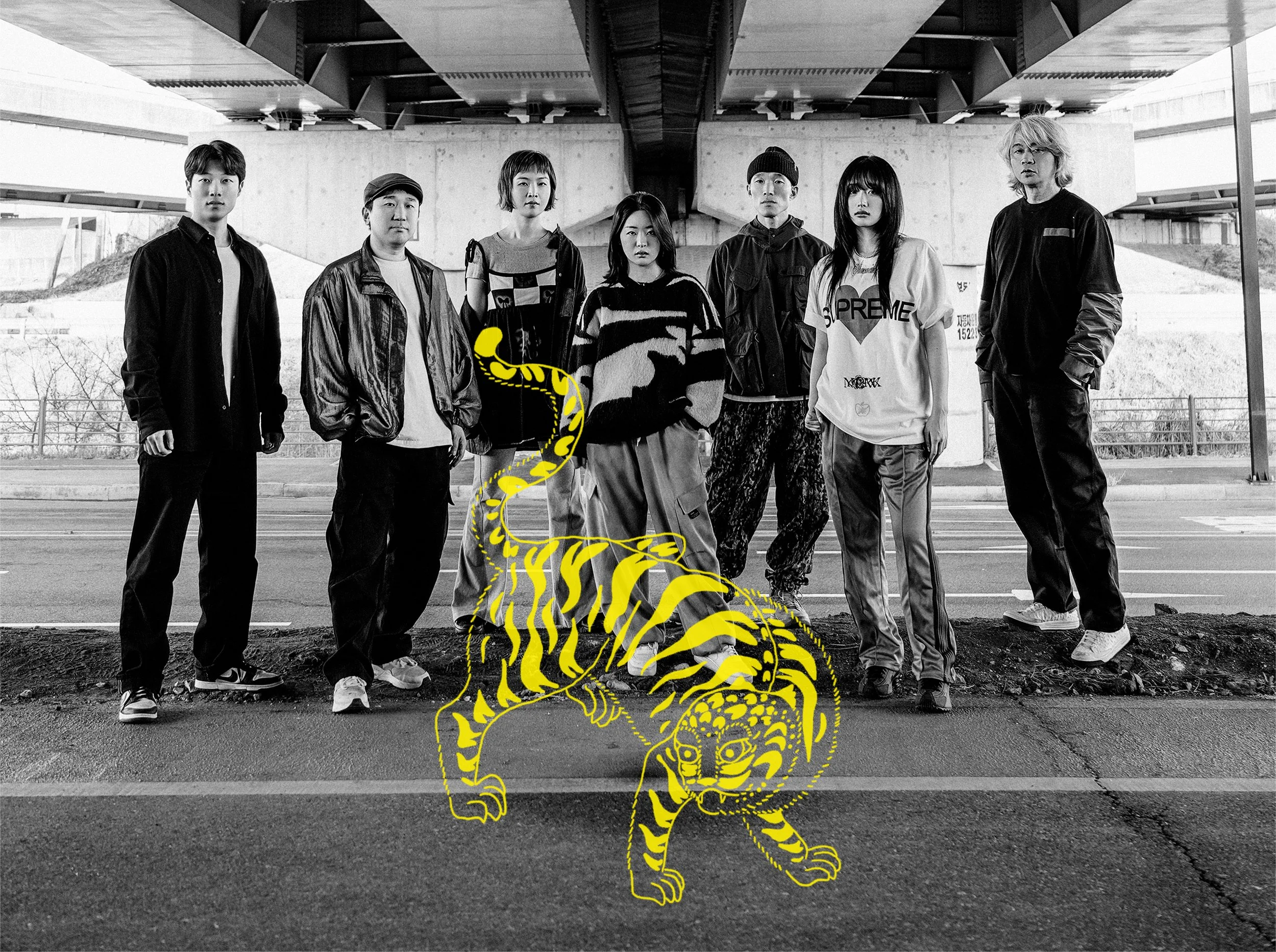
Leenalchi's international following has remained steadfast during their hiatus, with their unique sound continuing to attract cross-cultural appreciation. The group has garnered attention from notable musical figures such as John Cooper Clarke and Yard Act—recognition they acknowledge with characteristic modesty.
Yiho reflects on the group's international appeal: "We think the charm of Leenalchi's music lies in the balance between familiarity and unfamiliarity, the anticipation and joy that exist between an exclamation mark and a question mark. For foreigners experiencing our music, the gap between these elements might feel even greater, making the experience even more intriguing."
As Leenalchi emerges from their creative hibernation, they bring with them not only new music but a refined artistic vision that builds upon their earlier innovations while charting bold new territory. Their return marks not merely a resumption but a reinvention, suggesting that despite their trailblazing debut, Leenalchi's most significant contributions to contemporary Korean music may still lie ahead.