
Interview: AIRY on her long-awaited debut album
Written by Ethan Kim (@count.kim)
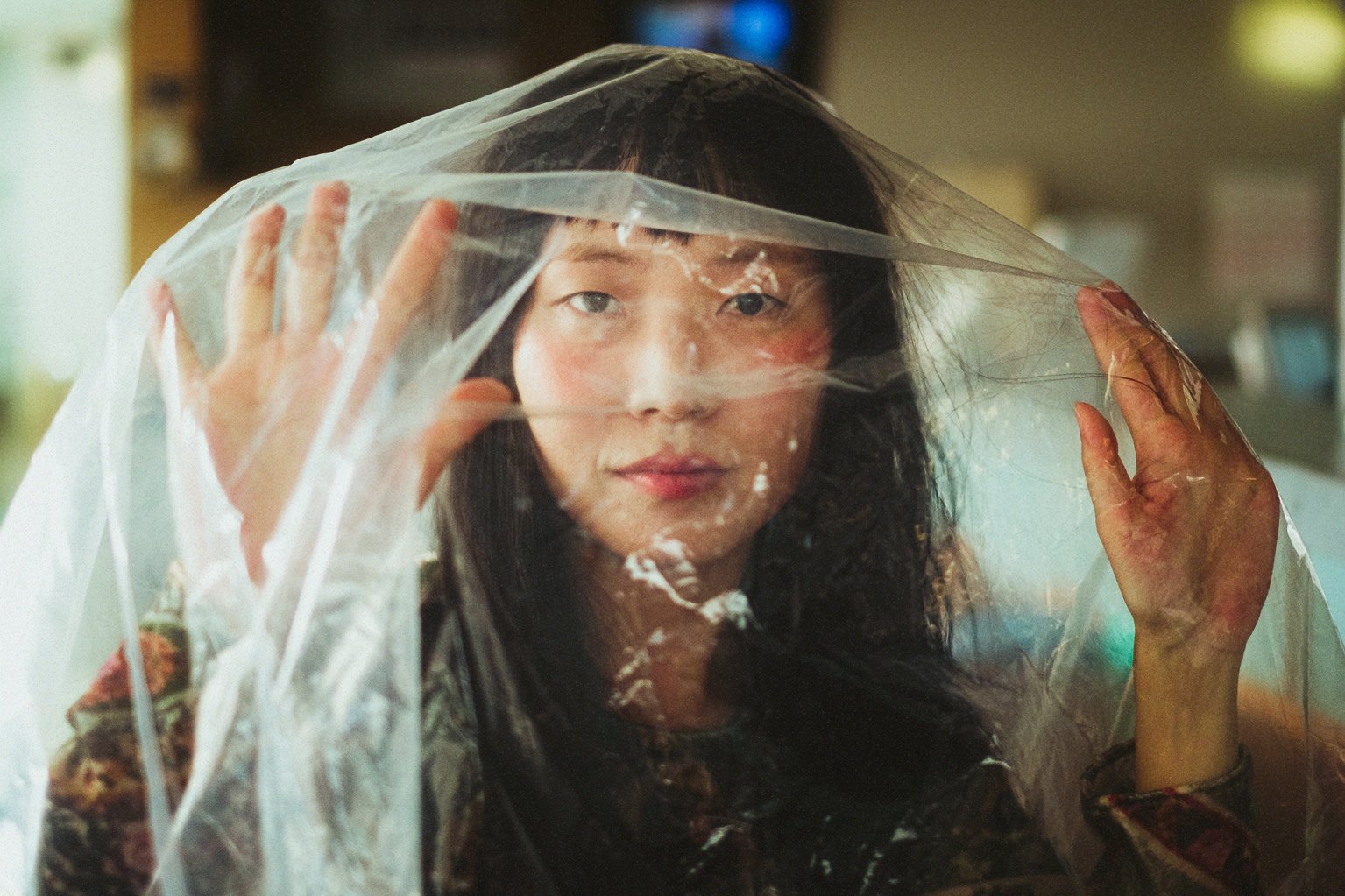
Airy's first full-length album B,U.D took a long time to arrive. After her 2018 EP SEEDS made a big impression on the underground audience, she became increasingly difficult to find. In the years that followed, she disappeared into inner turmoil and a constantly changing relationship with her own music. Seven years on, she has returned with a record that sounds more mature, stranger in parts, and far more honest.
We meet at a café in Yeonhui-dong a few days after her concert at Strange Fruit with Italian musician juni. It's been a long time since I've seen her live, but on stage her voice floated above synths and guitar, hazy, yet somehow clear. The vague, melancholic feeling that has always clung to Airy's music is still there, sharper than ever.
Now that B,U.D is out, she talks about the process of walking towards "dazzle" through a life that has often felt "broken" and "unapt".
"I'm Airy. I make music, perform, sing and write," she says succinctly. "Right now, I feel like I'm in a period where I can really focus on music and creating things, so I live with great gratitude."
It hasn't always been so peaceful. After SEEDS was released, things seemed to rush past her very quickly.
"After the EP was released, my mental state wasn't very good," she says honestly. "I felt something was lacking in the work, and I needed time for stability and recovery."
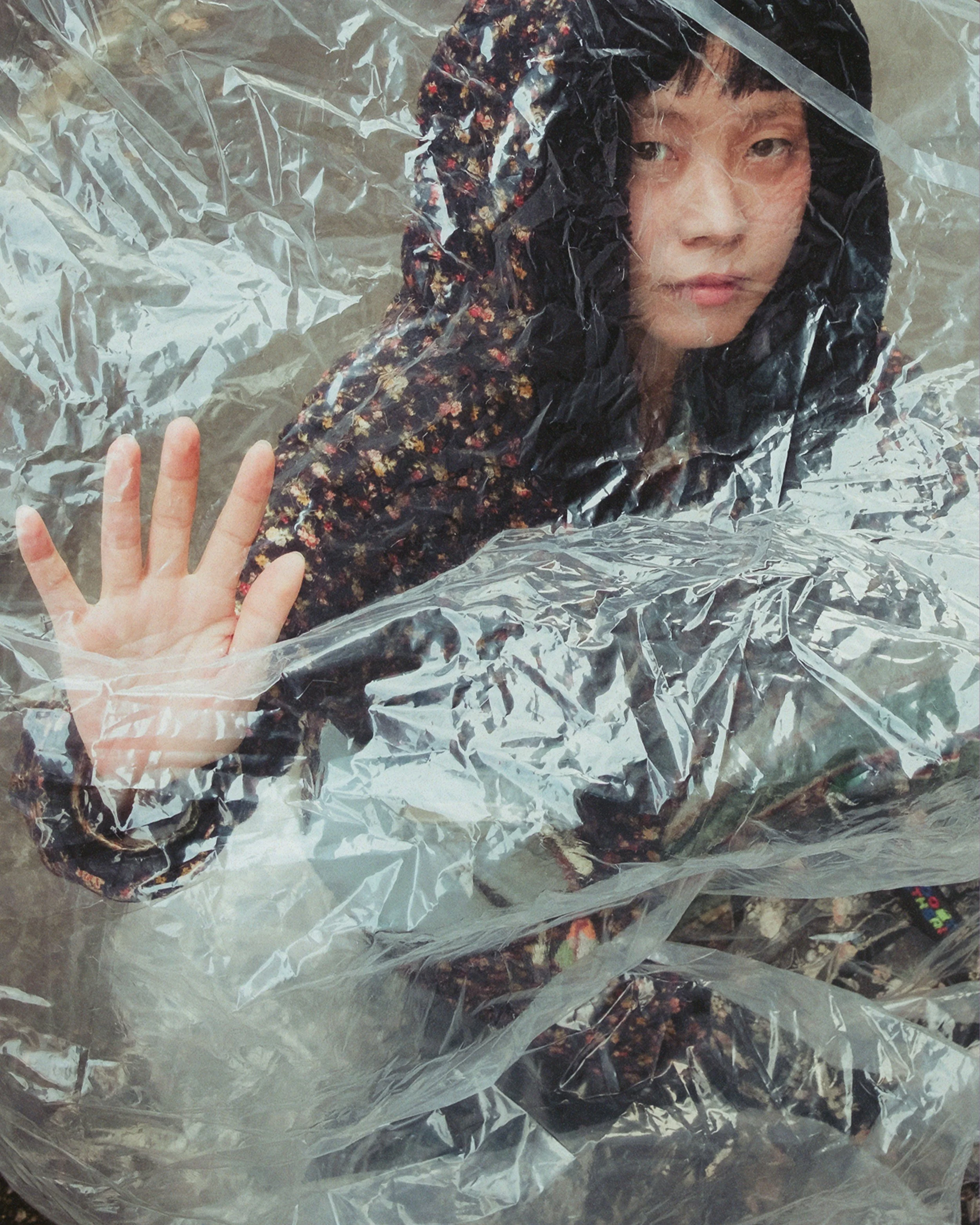
For the next two to three years, she shuttled between the hospital and a municipal mental health centre, where she was more focused on 'somehow staying alive' than on the idea of making an album.
"On top of that, the way I perform on stage and the instruments I use keep changing," she adds. "In that process, I kept feeling musically lacking. It just didn't feel like the right moment to be putting out an album yet."
Even now that B,U.D is finished, that feeling hasn't completely disappeared.
"I really love this album," she says. "But at the same time, there are still parts I'm dissatisfied with. But because it was taking such a long time, in the end I just thought, 'Even if it's not perfect, I should put it out now,' and released it."
The title B,U.D came to her fairly late, but it turned out to be the one that described her best: Broken, Unapt. Dazzle.
"'Broken' is about being hurt and shattered," Airy explains. "It reflects my own state, and whilst preparing this album, my cash situation got pretty 'broken' too."
"Unapt", she found out, is an old word. That made it feel even more appealing.
"It means things like 'unsuitable', 'clumsy', 'awkward' – not exactly positive," she says. "And inside it you've got 'apt', as in 'apartment'."
In 2024, Rosé and Bruno Mars’ “APT.” had been a huge hit, and “apt” has picked up all kinds of associations. Airy’s “apt”, though, has nothing to do with that song; it comes from much more personal experience. Born and raised in Seoul, she has grown up with a front-row view of how fixated Korean society is on the apartment as an ideal image.
Born and raised in Seoul, she has grown up with a front-row view of how fixated Korean society is on the apartment as an ideal image.
"There are good memories, but there are also a lot of bad ones," she says. In contrast, visiting relatives out in nature, away from the city, felt like being able to breathe again. "Being born and raised in Seoul is a privilege in some ways," she says. "But there were a lot of difficult times too, and I wanted to capture that on the album."
"Unapt" also holds another feeling: the doubt that followed her all the way through making the record.
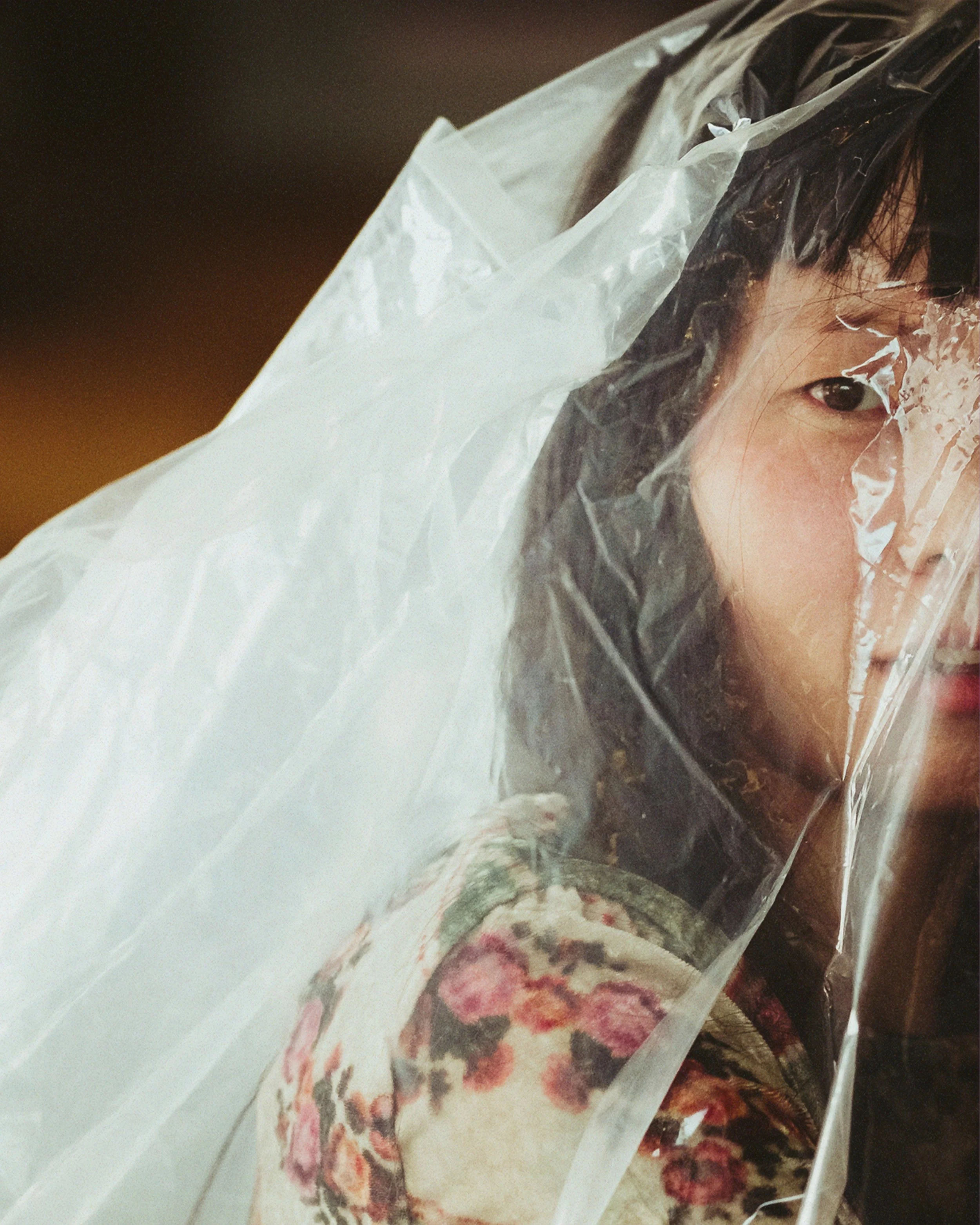
"I kept thinking, 'Is it really right to release this?'" she says. "So unapt felt like a word that really fit my clumsy, uncertain self."
The final word, "Dazzle", arrived like a small request.
"I was really happy when I found it," she smiles. "'Broken', 'unapt', but still able to 'dazzle'. There are also dazzling moments in life. I thought that idea might be comforting to someone. Ultimately, the title basically says: even if you're broken and don't seem to fit in anywhere, you can still shine."
Seven years is not a short break. Musically, a lot has changed.
"Back then, I mostly wrote songs centred around guitar," she says, thinking back to the SEEDS era. "This time I made the album with a DAW as the main tool, and that's probably the biggest change."
Her approach to lyrics has also changed.
"The lyrics on SEEDS are quite hidden," she says. "I like expressing things in a vague, ambiguous way. For the same reason, I like poetry."
On B,U.D, she hasn't abandoned that ambiguity, but she made a conscious effort to show more of herself. "I think I've tried to hide less this time," she says. "In some ways, it felt embarrassing, but I just let it out. Sonically, too, it feels like the world has expanded. On SEEDS, I built things around the guitar and used recordings like the sound of rain, whereas this time I've used a lot of virtual instruments and sounds inside the DAW."
Listening to B,U.D, it's clear that this isn't the work of one person in isolation. From long-time collaborators to newer faces, the record is stitched together out of many different collaborations.
"Every moment I worked with someone on this album feels precious, and I'm really grateful," she says.
The opening track, calling was mixed by eAeon. "I've been a fan since I was young," she says. "So it was a very meaningful time for me."
Her connection with Pishu goes back even further. "When I said I wanted to try rapping, Pishu told me, 'Then just do it now,' and thanks to that I tried sing-rap on this album."
She's also been in touch with Livigesh for several years. "He's one of the calmest people I know," she says. When Livigesh invited her to dance at an Onstage session, it pushed her beyond her comfort zone.
"At first I was a bit scared," she admits. "I've always been seen as someone who makes dark, gloomy music, and when I tried different things there were times I got feedback like, 'This doesn't suit your image.'"
In those moments, Livigesh's music felt like a literal breathing space.
"His music has a cooler, more refreshing feel," she says. "Working with him helped me see more hopeful, brighter parts inside myself."
When asked to choose the most important song on B,U.D, Airy takes her time.
"It's really hard to pick just one song," she says. "I had about six different songs in mind as potential title tracks."
If she had to choose, she would choose 고요한 현재 (Silent Present). "It feels like all the techniques I've used on the other songs are brought together there," she explains. "The way I treat the vocals, the reversed vocal parts, the unusual way of mixing... It's also the only song on the album without a beat. There are lots of little experiments in it, and I'm also very happy with the lyrics."
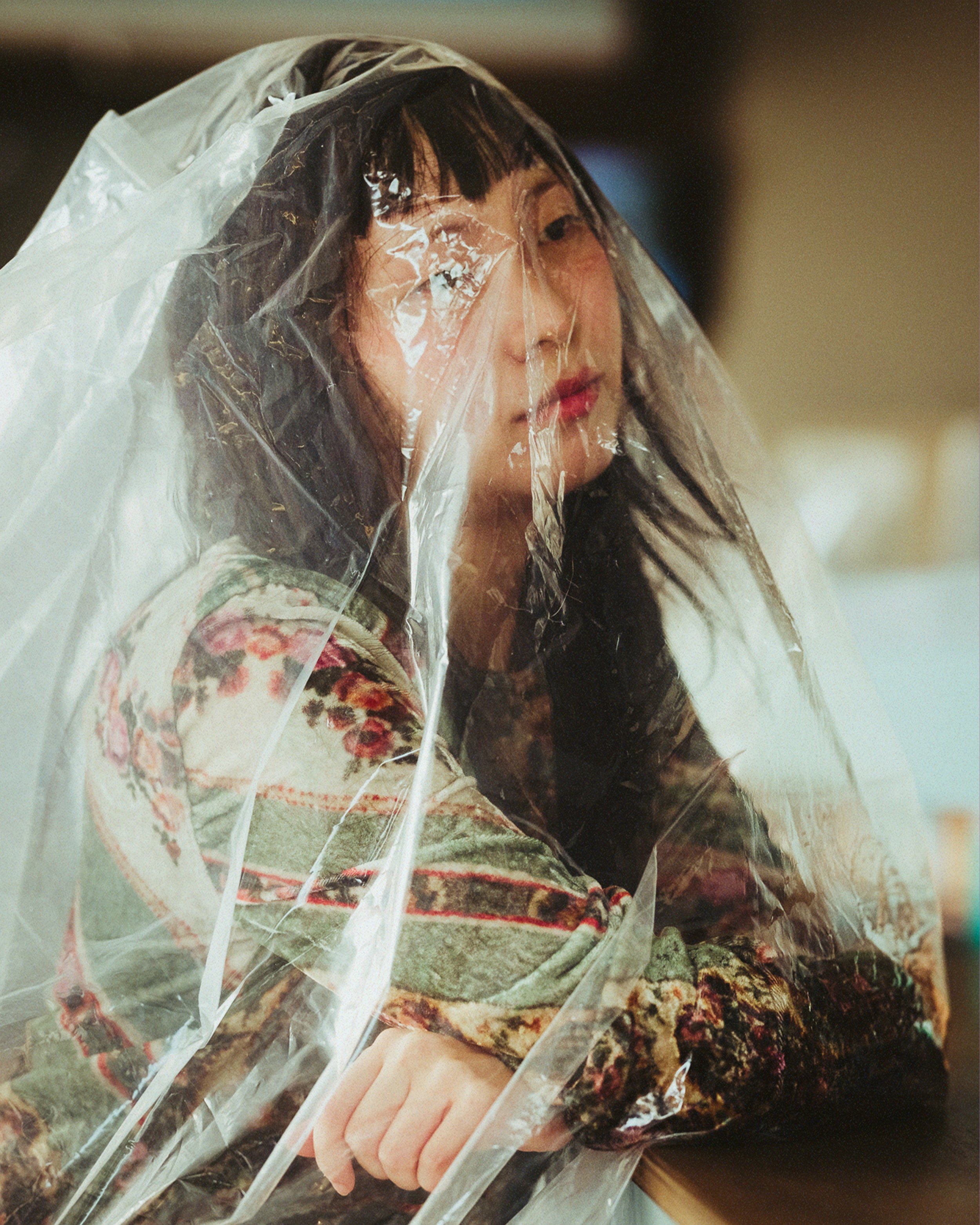
If 'Silent Present' is the technical summary, the opening track calling is closer to the emotional key.
"If I had to choose a song that best represents me, it would be calling," she says. "Sometimes my connection to music feels like more than just a connection, and I always try to process the less beautiful sides of life through art."
Calling is, literally, about calling – and about a kind of vocation.
"In Korea, people use the phrase 'artist disease' as a kind of slur. I like to say that I have the artist disease," she says. "I used to be deeply immersed in my own fantasies, and even though a lot of that has broken now, there's still something inside that I refuse to let go of. That feeling is in the song."
"If I had to list reasons to stay alive, for me music and art would be right at the top," she says. "In that sense, this song is close to a calling for me."
As for the track she thinks audiences will love most, she doesn't hesitate: "스테파니 스테판 (Stéphanie Stéphane)", she says. "There's a music video, and everyone tells me it's really catchy."
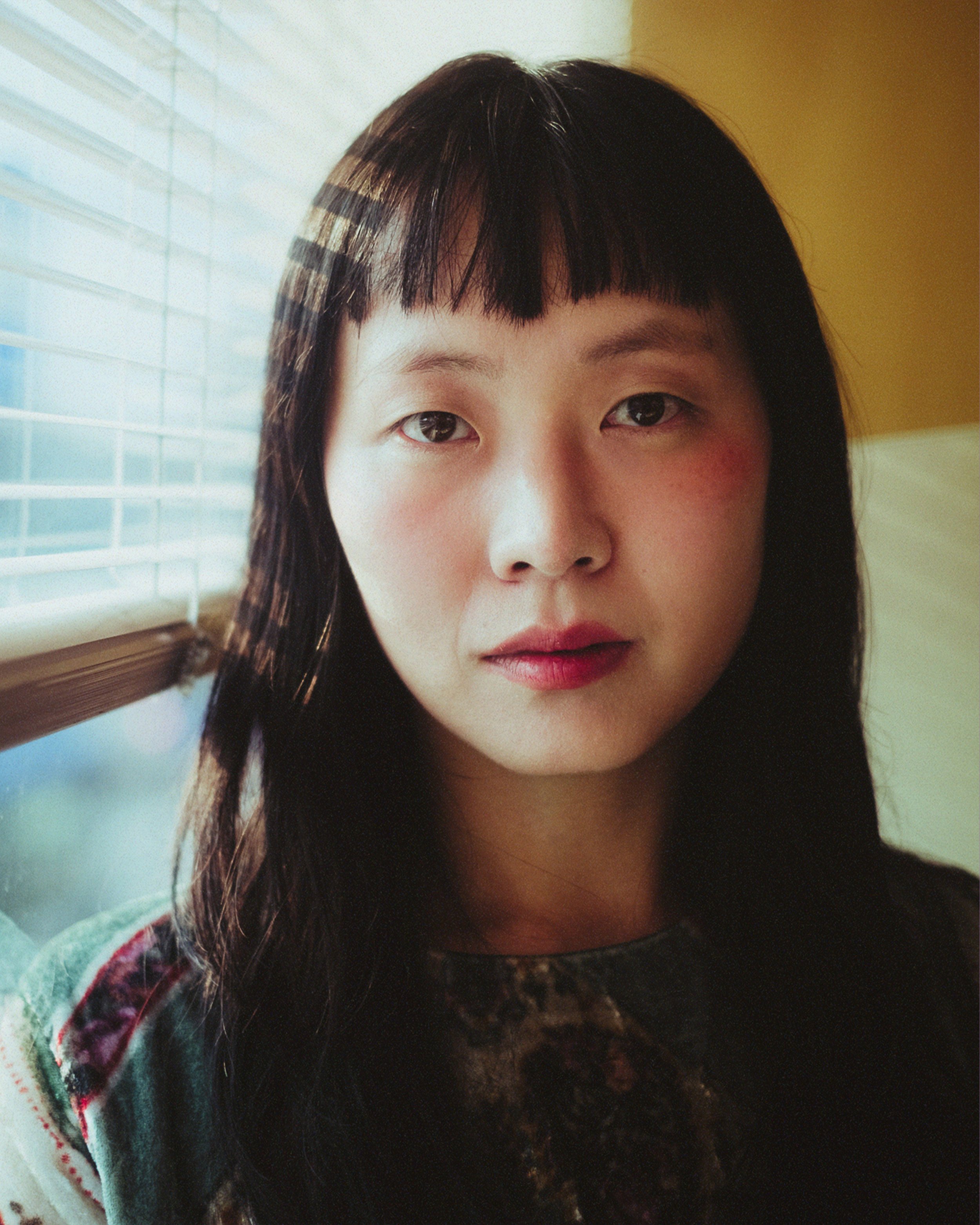
Stéphanie Stéphane is one of the album's strangest and most addictive tracks. The title comes from Michel Gondry's film The Science of Sleep.
"Stéphanie and Stéphane are characters from that film," explains Airy. "I used to remember my dreams very vividly, and when I saw the film, it felt like it was telling my own story."
As a child, she always projected herself onto Stéphanie.
"I think it's because we're the same gender," she says. "Stéphanie is just as creative as Stéphane, but socially she seems to adapt a little better."
She laughs. "But one day someone said to me, 'You know, you could also be Stéphane, not just Stéphanie,' and that stuck in my mind. This song reflects that change in my thinking."
If Stéphanie Stéphane is bright and immediate, 어지러운 보라 (Look, Bora is Dizzy) is the record's densest track, one that feels like several stories blended together.
"In some ways, Look, Bora is Dizzy might be the song that fits the title Broken, Unapt. Dazzle best," she says. "It's that feeling of being broken and not really fitting anywhere, but still wanting to keep something alive."
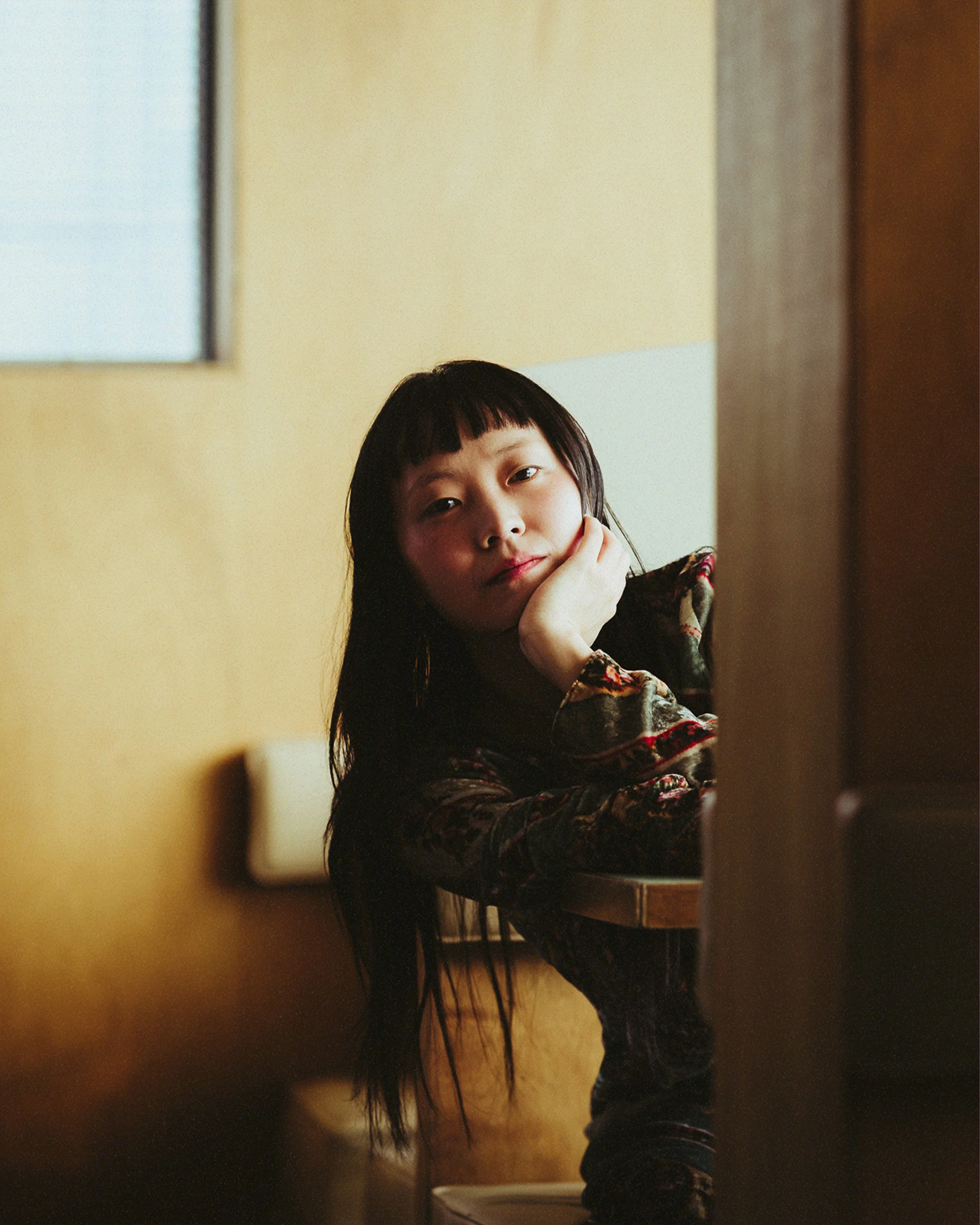
Recently, she has become aware of how often death comes up when she speaks.
"Two of my really close friends have passed away. I miss them very much," she says quietly. "The song isn't just about them, but they are part of it. As usual, I've mixed different things together, so there's also a lot of my own story in it."
Asked which lyrics show her most vulnerable side, several songs come to mind at once.
"There are a lot," she says. "Look, Bora is Dizzy, Stéphanie Stéphane, '+inder' as well. Like I said earlier, compared with SEEDS, this album approaches things in a much more honest way. Shame, embarrassment and fear are all mixed in. But at the same time, I feel a sense of relief too."
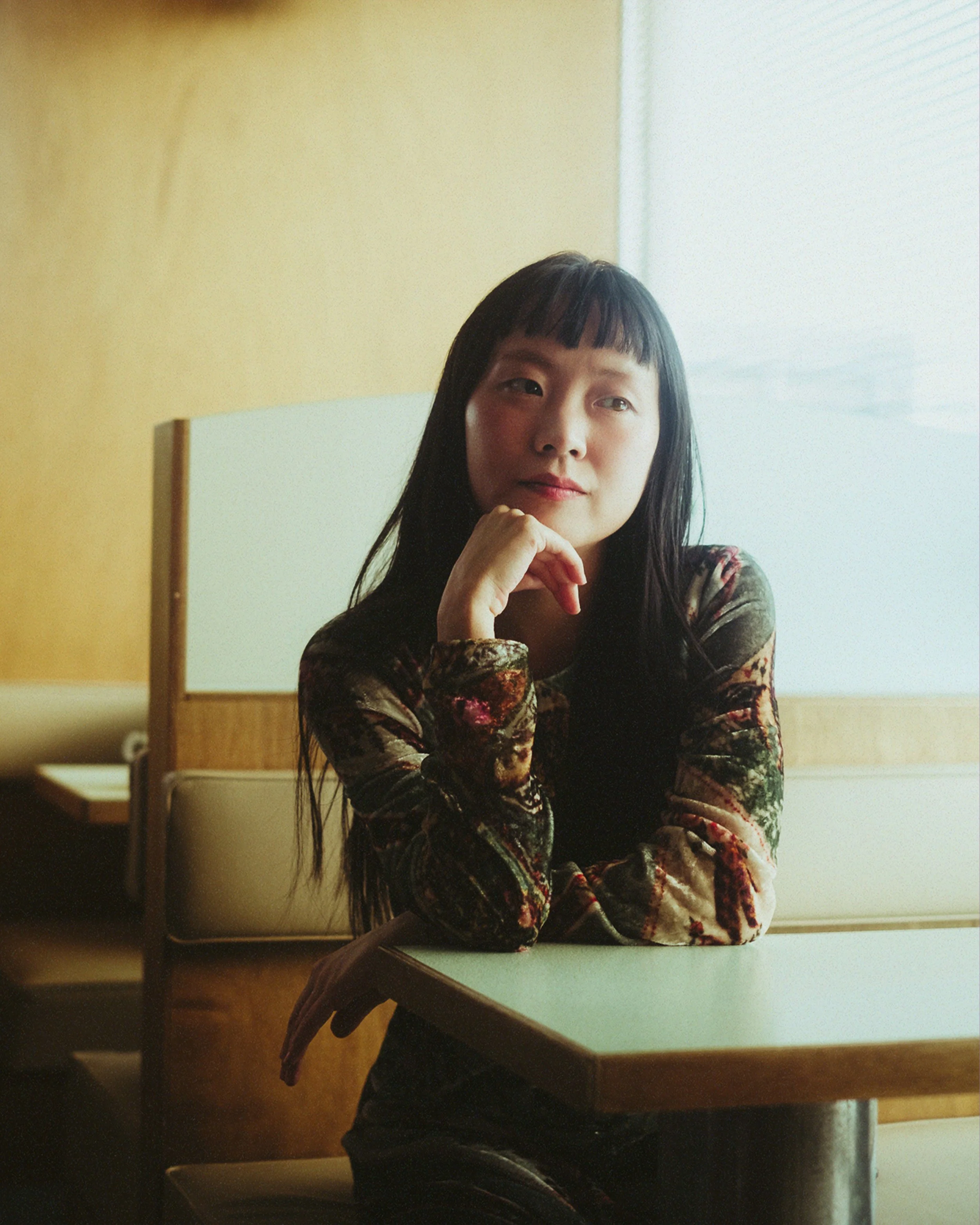
Her recent concert at Strange Fruit with juni left a quiet but significant impression.
"The owner of Strange Fruit contacted me first, and that's how the gig happened," she says. "At that point, juni had only released two singles, but I really loved her."
On the night itself, the chemistry felt easy.
"It was really amazing," she says. "When I saw her standing there with just the MTR, I saw myself in the recent days, playing computer-generated music with an MTR and guitar, and it felt nice."
Their songs were also similar emotionally. "Our music is both a little sad, but beautiful at the same time," says Airy. "I felt that we fit together really well emotionally."
When asked about the future, she already has several ideas in mind: bigger shows, more "fun" music, and more experimentation.
"First, I would like to do shows on a slightly larger scale than now," she says. "Musically, my next goal is to make music that feels more fun. I want to try more things I haven't tried before."
There are already concrete plans in place. She contributed to the compilation Neo Chimera, which was released at the end of December, and in February, she plans to release a new project where each track is a collaboration or remix with another artist.
"I just want to keep challenging myself to make music with a broader spectrum of sounds," she says.
Right now, B,U.D stands like a snapshot of one long stretch of time: broken, clumsy, unapt, but with dazzling light still leaking through the cracks.