
HYPNOSIS THERAPY on not being defined by your nationality
Written by Ethan Kim (@count.kim)
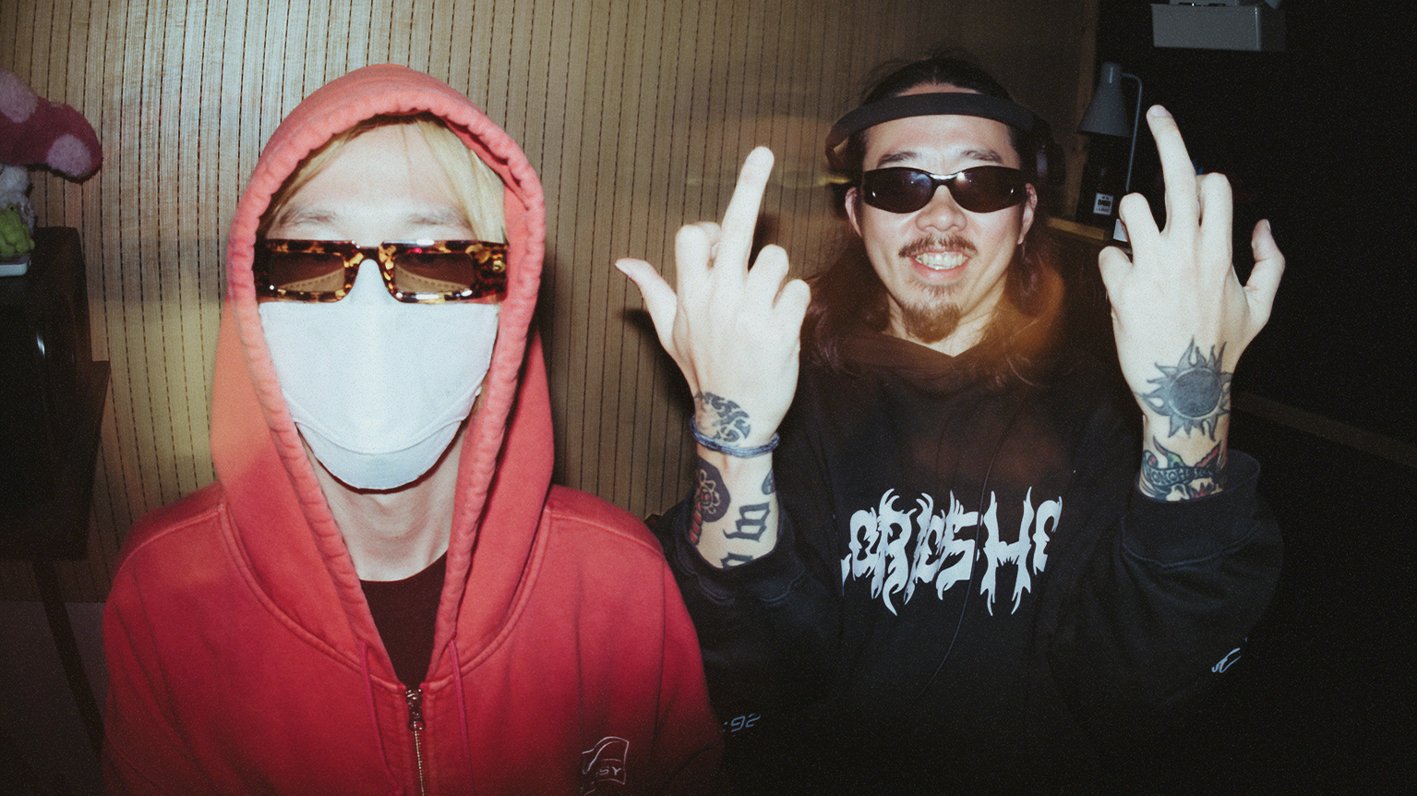
Over the past three years, HYPNOSIS THERAPY has evolved from a casual experiment into one of the most violent and unpredictable forces in Korea's electronic underground. The duo, consisting of producer JFlow and rapper Jjangyou, combines breakcore, techno and hip hop into a sound that is both brutally aggressive and strangely playful, music that feels like having your head ripped off while laughing.
Since their formation in 2022, they have released a series of records, each pushing the boundaries further than the last. In 2025 alone, they have taken their sound on tour in Europe, Mexico and Asia, while also releasing NO, a joint EP with Berlin-based producer Alex Wilcox that captures their restless energy exploding in yet another new direction.
The name HYPNOSIS THERAPY came directly from their process: “When making electronic music, you can of course listen to things that run in a loop,” explains JFlow. "At one point, we realised that it felt like we were hypnotising ourselves. That's where “Hypnosis” came from. But on its own, it felt a bit posey, so we added “Therapy” to give it more weight. Under that name, we try to communicate through energy, both to ourselves and to those who listen."
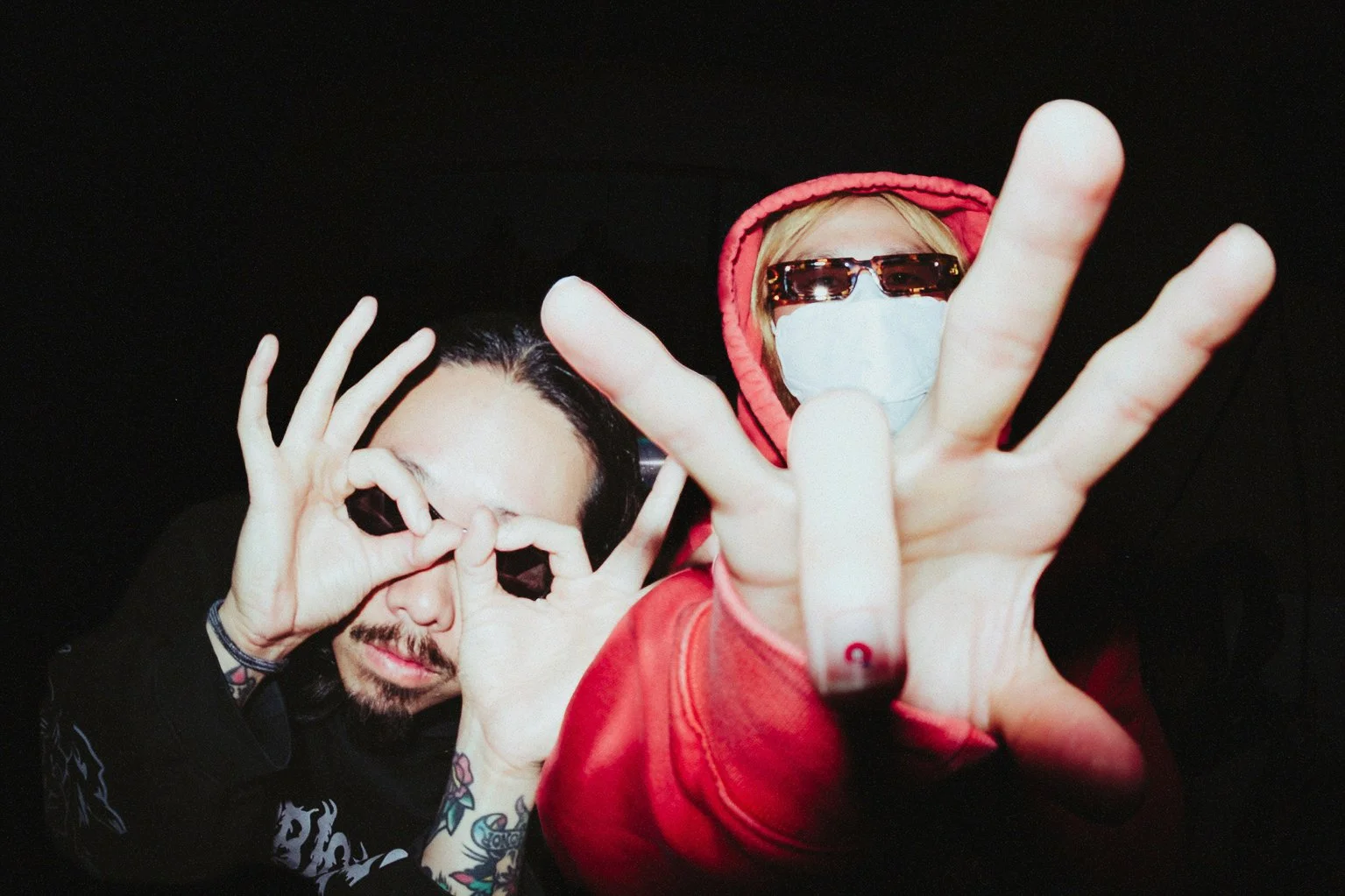
Before HYPNOSIS THERAPY, the two experimented for years under other names, including Wavisabiroom. The same spirit of trial and error remains unchanged. “The mindset is the same as before,” says JFlow. "The difference is that we now have more tools. We've met more people, and there are more opportunities to release music and play concerts. The projects are bigger, but when we sit down to make songs, it's still exactly the same process."
At the core of their identity is a willingness to embrace constant change. “Yesterday and today are never the same,” says JFlow. "Most people think their life has roughly the same shape every day, but we don’t really believe that. People change every day, too. We try to accept that and let it flow directly into the music, unfiltered. Instead of thinking in big concepts, our approach is simple: capture today. We take what we're interested in at the moment and turn it into music for fun. Whatever comes out of it, we enjoy the process."
Their new EP NO came about from a simple sentence: ‘Time to say “NO”.’ "We wanted something that people could easily relate to," says JFlow. "Most people get by saying yes to everything and letting things slide. Instead, we wanted to suggest taking a break, rethinking things and choosing a direction that suits you better. It's about taking the time to express yourself."
The collaboration with Alex Wilcox began during their European tour, after they had exchanged ideas at the Mucho Flow Festival in Guimarães, Portugal. "Alex saw our performance and sent us a message afterwards," recalls JFlow. "Everything developed very naturally from there."
NO feels harder and more edgy than their previous work, driven by a shared frustration.
"In Berlin, Alex is tired of the techno scene there," says JFlow. "That feeling really resonated with us. We have no interest in following in anyone else's footsteps; we always want to go down a path that no one else is taking. This record is that attitude condensed into one release."
Despite the slogan behind the EP, the message is never intrusive. "We didn't want to preach. If you understand the meaning, that's fine. If not, it can just be a dance record. Both are fine."
When they started working on NO, Ecko Bazz reached out again. Despite the obvious logistical delays. “He’s slow to reply and can only record when he physically gets to a studio,” JFlow said. “He always wants to do more and has loads of passion, so it’s always a good experience,” he expands. “We feel like we’ll be working with him again.”
With Ecko rapping in Luganda and HYPNOSIS THERAPY in Korean, both occupy what JFlow describes as “third languages” for international listeners. “There’s a sense of solidarity in that. Unexpected collaborations act like signposts, guiding us onto new paths.”
Visuals play an equally important role. The Berlin-shot video for “UMJIGYEO! (MOVE!)” flips its meaning by using stop-motion to create stillness. “We worked with Rough Lab again,” says JFlow. “We really love their minor, off-centre ideas. They suggested reversing the meaning, and we loved that contrast.”
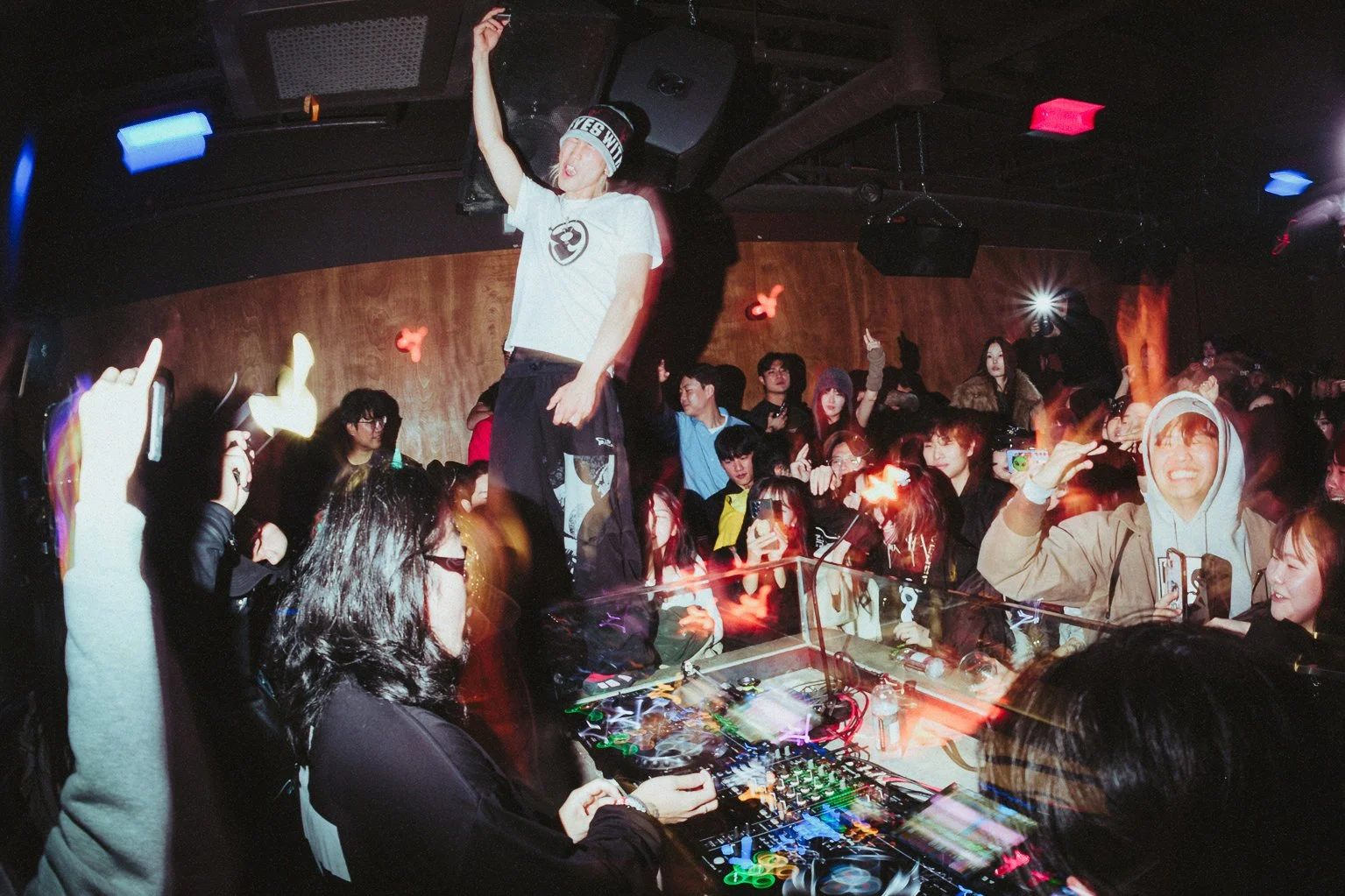
Although Wilcox was unable to appear due to touring, the video captures the playful contradictions at the heart of their work. In November, HYPNOSIS THERAPY held a large concert at CJ Azit in Seoul that felt more like an immersive installation than a traditional concert.
"It meant a lot to work with visual artist Liseok," says JFlow. "The sculptures, projection mapping and production costs were far greater than the ticket revenue. But we want the audience to open all their senses, not just listen."
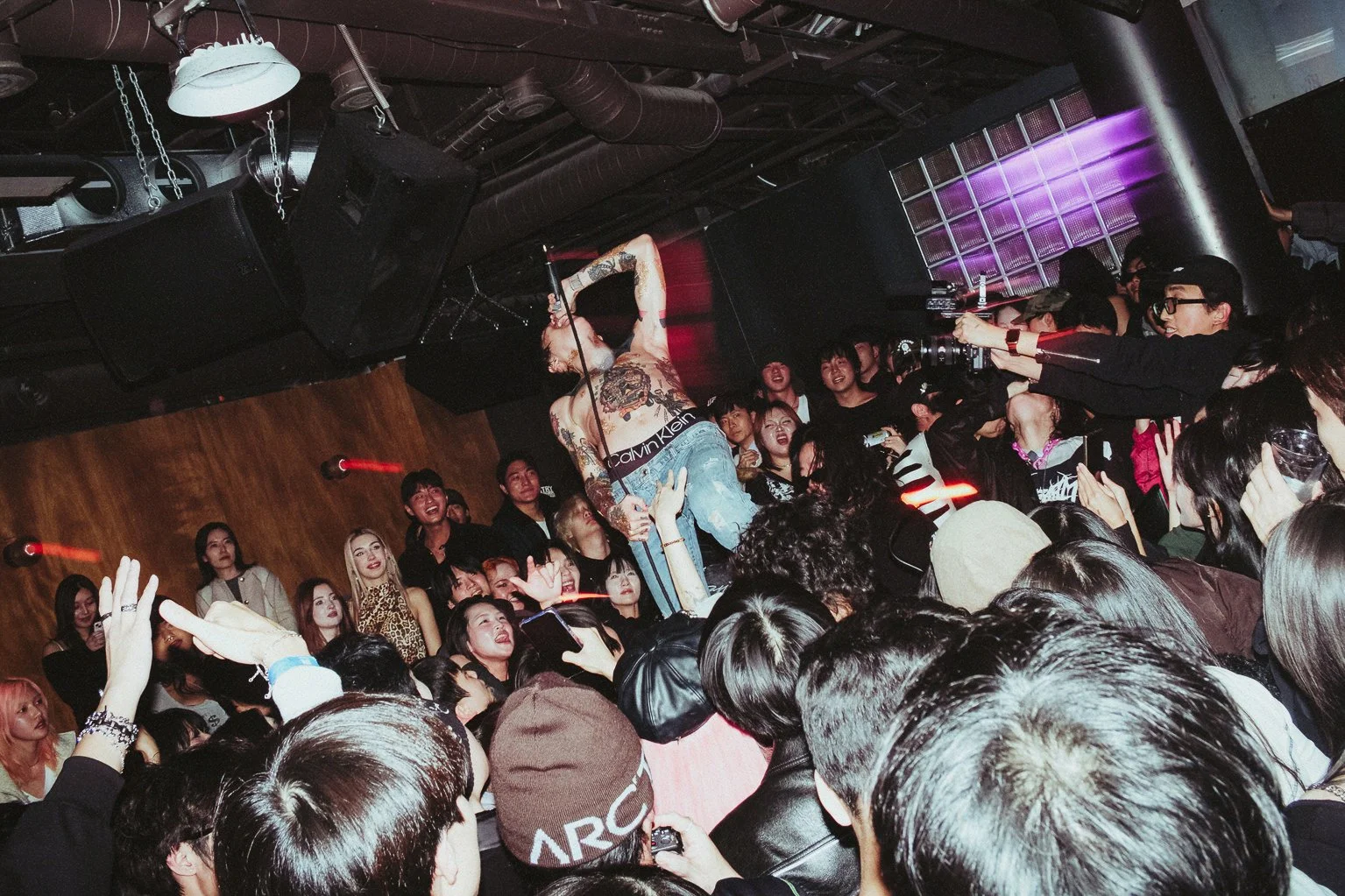
That desire to invest heavily in the experience continues to drive them, even as their tour schedule becomes increasingly intense. Their recent tour through Mexico left a deep impression. "Mexico was incredible," says Jjangyou. "It's easily among our top three countries so far. It felt like a place where we could build something long-term." Although they were largely unknown, the warmth of the audience was remarkable. "Everyone was so open and welcoming. That experience probably prevented our fire from burning out."
Mexico's famous spicy food also made an impression. "Koreans are proud of how spicy our food is," says Jjangyou, "but Mexico wins by far. There's chilli in everything, even coffee and ice cream."
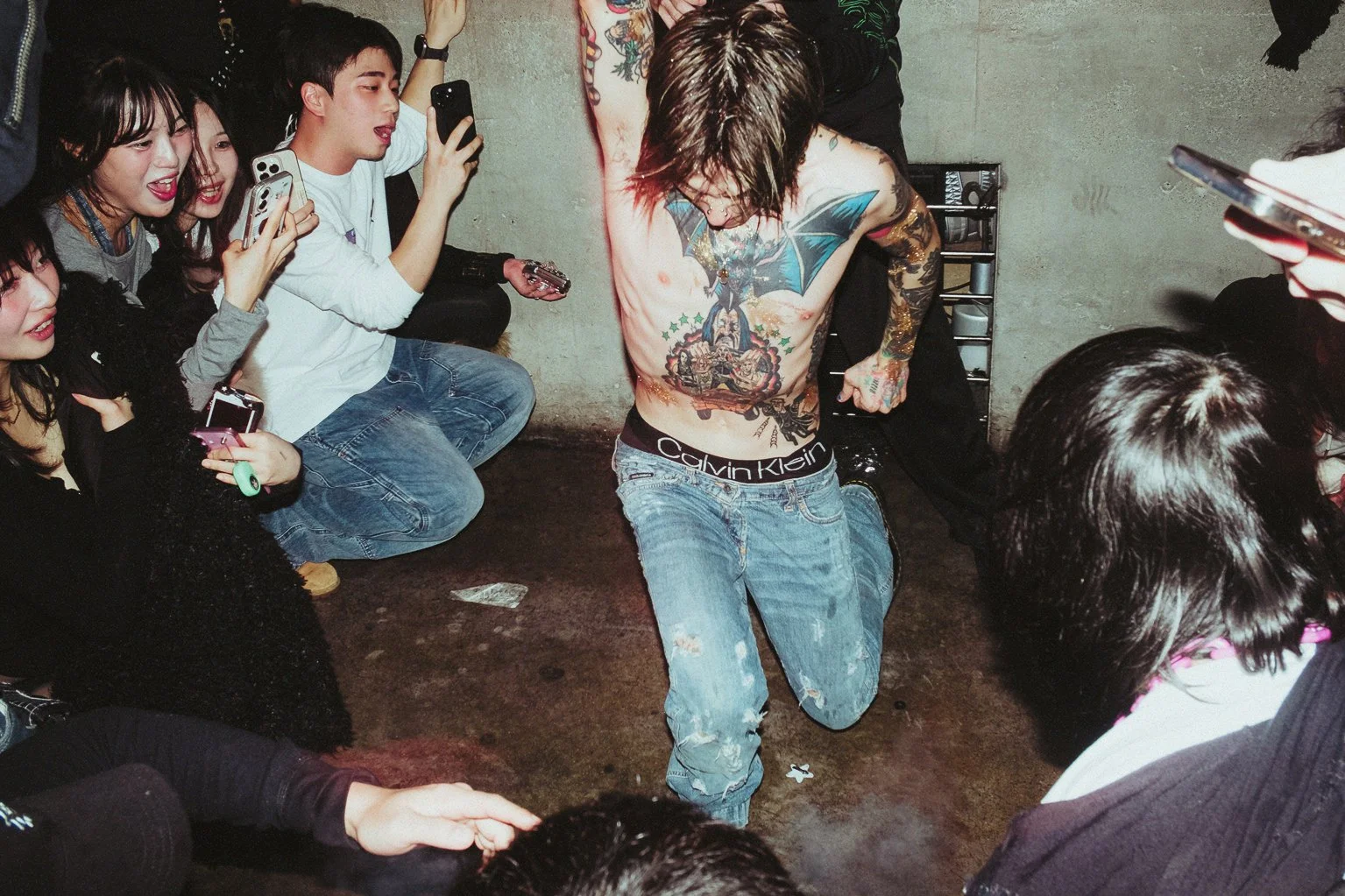
The tour also changed their perception of how Korean artists can exist abroad. "The lineup on that tour was us, Meaningful Stone, Cotoba and 10cm, and none of us are K-pop artists," says JFlow. "In Mexico, everything felt more open."
Next comes Thailand, with shows connected to Mahorasop Festival’s off-site series. “We don’t really have a fanbase there yet,” JFlow says. “So for most people, it’ll be their first time hearing us. That makes it exciting.”
Seeing other scenes has sharpened their view of Korea’s own live ecosystem. “In Korea, festival line-ups often pull from the same pool of names, so everything ends up having a similar feel,” says JFlow. “It’d be great to see more variety in the curation. We understand the sales side, we get why it matters, but here sales thing’s treated as the priority. At a lot of European festivals we’ve seen, there’s much more pride taken in the act of curating itself.
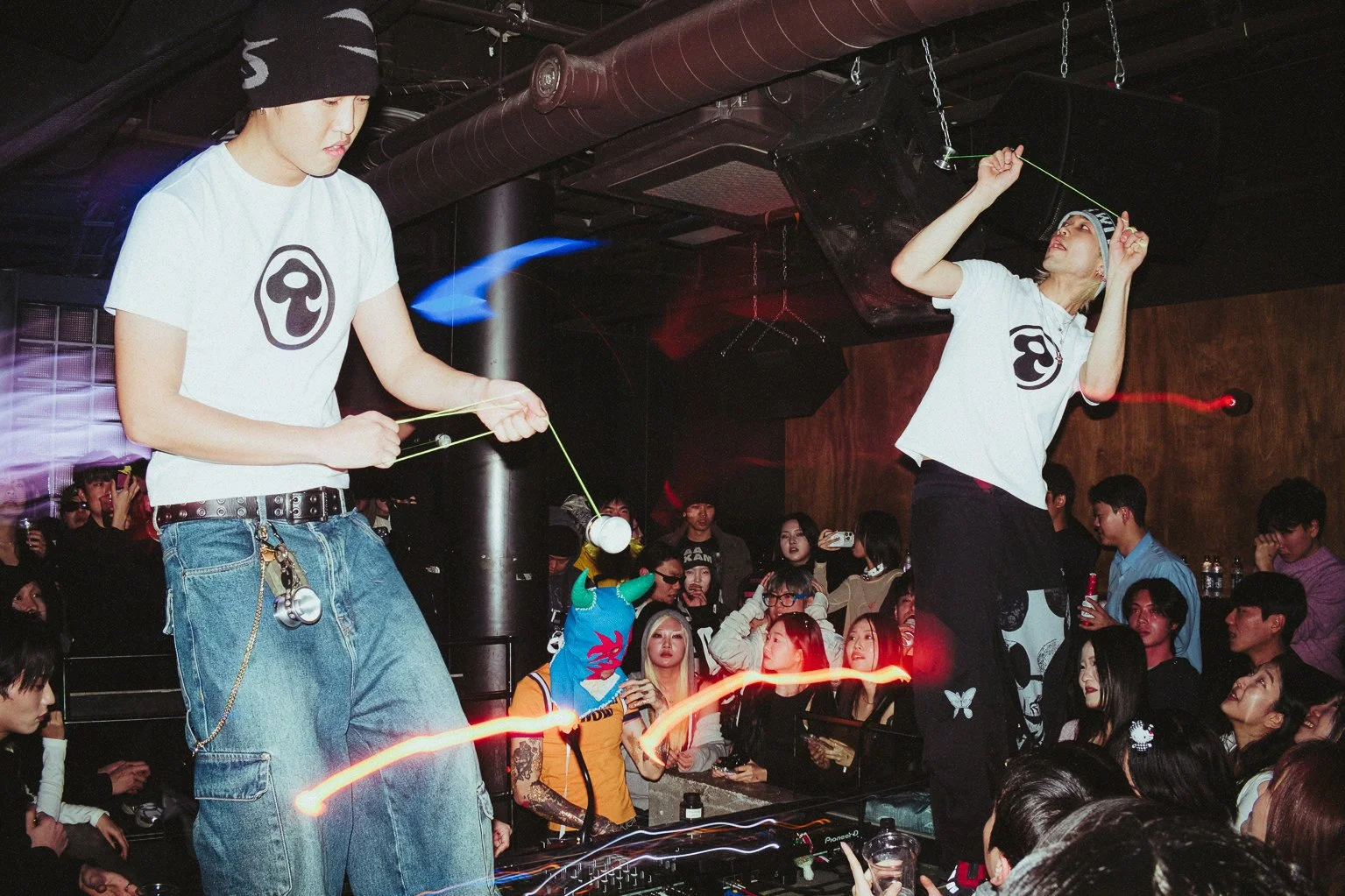
”We’re not saying, ‘Only focus on curation.’ Balance is important. But in that sense, there are still things missing from Korean festivals. We’d love to see more of them take curation on as a real responsibility.”
Raised in Busan and now based in Seoul, Jjangyou is frank about how limiting the scene can feel. “In Korea, almost everything is centred on Seoul,” Jjangyou says. “Strictly speaking, there are scenes in places like Busan and other regions, but a lot of it ends up as a closed league that only exists for the people already inside it. Personally, that felt boring to me.”
"Korea is small, and people cherish their pride so much that things are at a standstill," he says. "Even Seoul is small on the international stage. This is no time to be cocky. We need to wake up and grow."
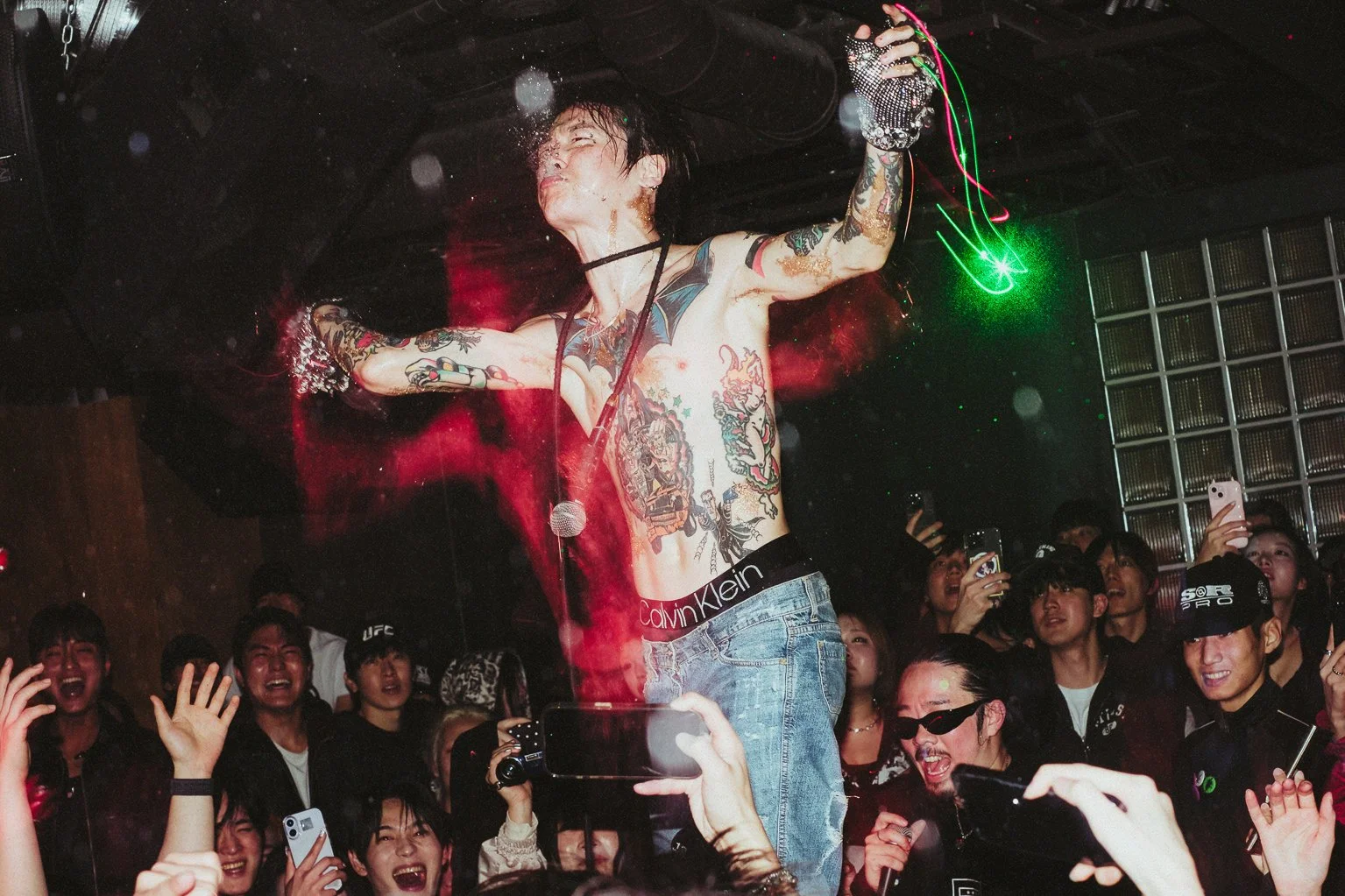
As Korean music gains global attention, complacency becomes a risk. "When the spotlight hits, it's time to work harder," says Jjangyou. "You can't get caught up in your own hype. We're all like frogs in a well."
In 2026, HYPNOSIS THERAPY will play their biggest stages yet, including Primavera Sound and Roskilde Festival. "When we played at Primavera Pro this year, we went to the main festival and talked about it there," says JFlow. "We said it would probably take two or three years for us to get on Primavera Sound's main stage. We never imagined we would be playing there the very next year," says JFlow. "2026 will probably be our biggest tour year so far."
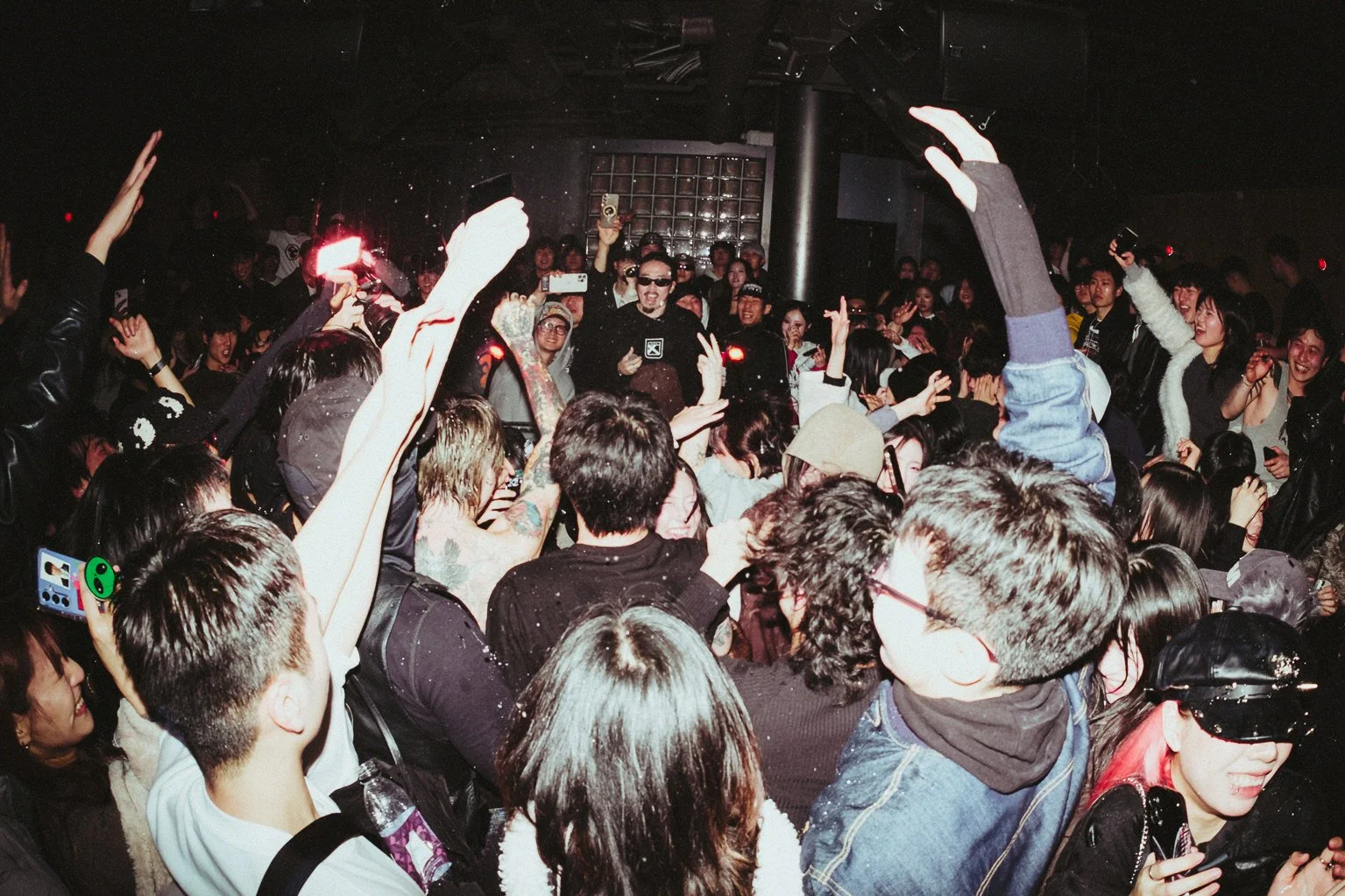
More than anything else, they just want to be seen as themselves, not defined by nationality. “When we go overseas, we’d rather be presented simply as HYPNOSIS THERAPY, not as ‘a group from Korea’,” says JFlow. “We want to be seen as artists on an equal footing. We want to chip away at those little barriers in the process. That’s probably our main goal, and that’s why we’ll keep working with more international artists and pushing ourselves.”
With another flight ahead of them, their outlook is clear; no matter where they land next, the goal is the same. To seize the day, keep moving forward and refuse to stand still.