
Danpyunsun and The Moments Ensemble approach the studio like it’s a laboratory, with five musicians improvising their way toward balance. After the release of their anticipated second album Lovers, they dropped in to talk about layers, lyrics, and why the Korean indie scene needs more noise.
The Moments Ensemble are a band having fun. “At our recent performance in Daegu,” says frontperson Danpyunsun, “the audience’s passion for music was incredible. Our guitarist jumped into the audience, and the crowd lifted him up! He literally flew through the air for a moment. Looking back, it was a bit dangerous. For us, it was one of those moments where we thought, ‘Did we really just pull off a live show like that?’”
Formed in 2024, the band came together as Danpyunsun recruited standout musicians he’d worked with from behind the desk. “I’ve done a lot of work as a music producer,” he explains. “When working with them, I’m often struck by how differently they approach their instrument.”
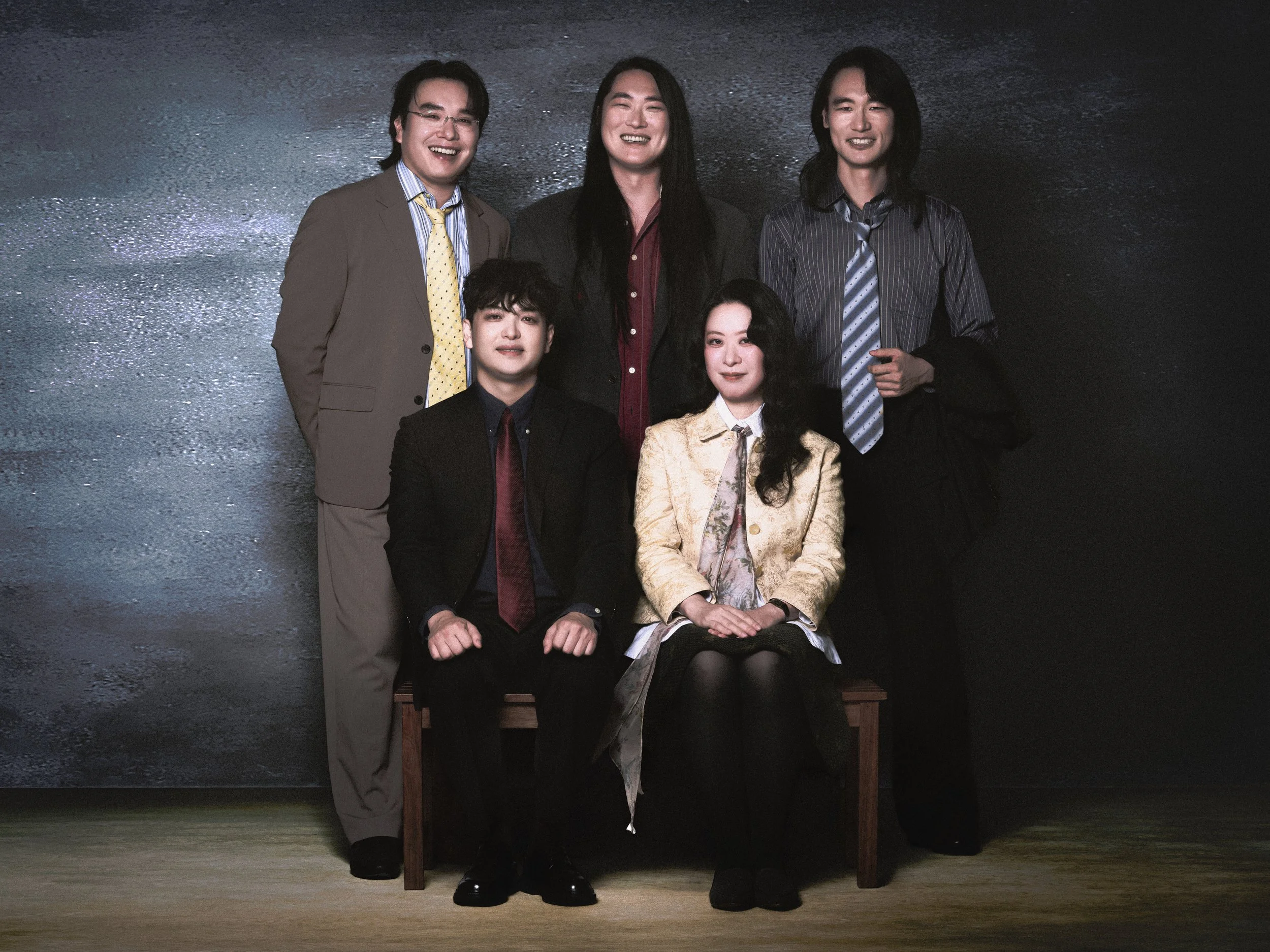
“The Moments Ensemble began to take shape when I invited the most memorable people I’d met along the way to join me. Rose Park, who plays electric guitar, is an exception. He’s a friend I’ve known since we were teenagers. He was even in my very first band.”
Ask the members what he’s like to work with, and they point to his diligence. “He takes on a lot of work,” notes lead guitarist Rose, “more than you might think. 2026 was especially like that.”
“He’s a workaholic, through and through,” adds pianist and vocalist Lee Boram.
They also stress his precision. “On the surface, he gives off a somewhat rough vibe,” drummer Park Jaejun observes, “but he’s actually very detail-oriented.” “Yeah, he seems laid-back,” agrees bassist Hyun Woo, “but he’s very meticulous.”
Danpyunsun has been making music for a long time, with Hoegidong Danpyunsun, Danpyunsun and the Sailors, and his early solo work. But he believes his current output is different. “I think the landscapes I paint through my music have changed significantly. With The Moments’ music, I often depict more peaceful or charming scenes. It reflects how my interests have shifted as I’ve grown older and gained more experience.”
The band share a sense that this group is special, and it comes down to creative freedom. “This band feels like a kind of laboratory,” explains Boram, “where people with different tastes come together to make music. We get to create things we find fun ourselves.”
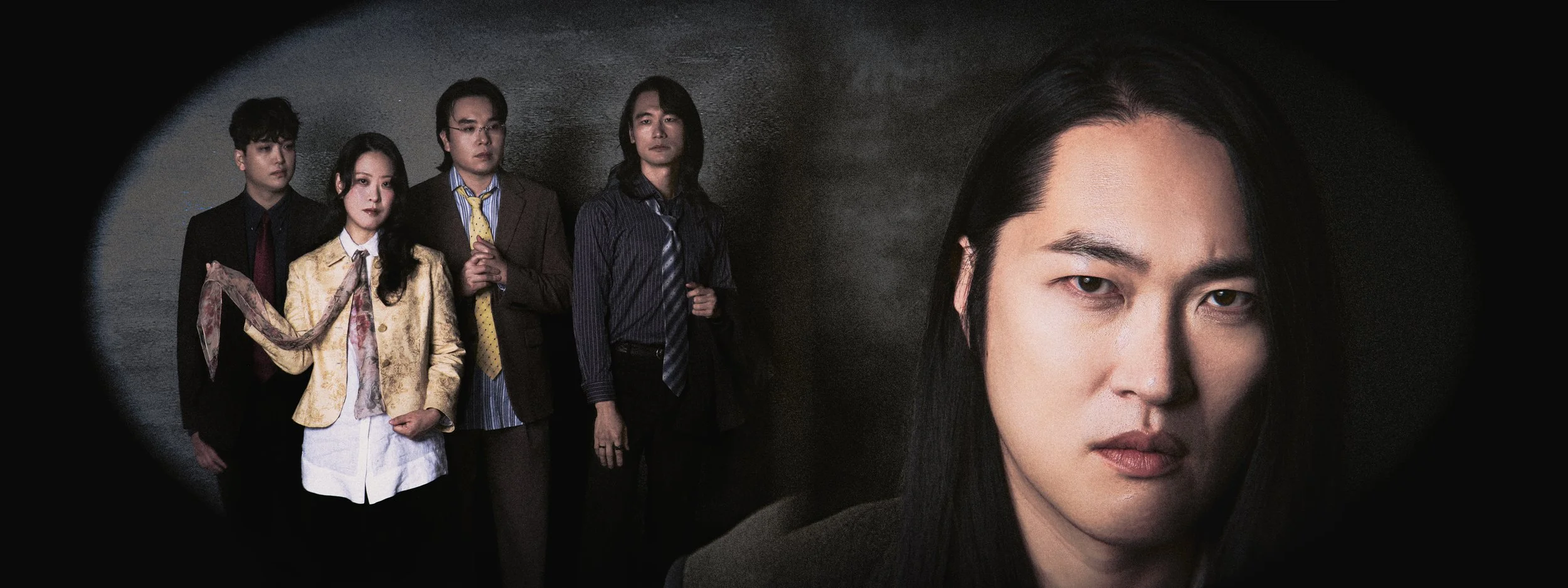
“We get to experiment more,” adds Hyun Woo, “and whether it’s singing or playing, each member takes the lead in shaping the music.”
That freedom shows in a sophisticated blend of indie rock, jazz, folk and art-pop, and it’s a cocktail that has made them critical favourites. “Danpyun, our ‘head chef,’ sets the direction,” says Rose, “then we each bring out the ingredients we have and the cooking techniques we know, mix them all together freely, and work our way toward finding the best recipe.”
“We want our music to reflect our lives,” declares Danpyunsun. “After all, AI is already doing a better job, and faster, at creating things that resemble music. That’s why, especially now, I think our lives need to be reflected in our music even more. Isn’t that what gives it ‘meaning’?”
Improvisation is central to all of it. “I improvise however I feel like it,” reveals Boram. “As I do that, I get into a flow, and a scene naturally takes shape.”
“We’re all just doing whatever we want,” summarises Danpyunsun. “But when those elements come together, a certain balance emerges. When we feel that balance is beautiful and convincing enough, we lock in that moment. It seems like we’re building each scene one by one in that way.”
The same goes for their live shows. “For music video choreography, we have a dedicated choreographer,” shares Rose. “But the movements during live performances aren’t planned or agreed upon at all. Since winning the Korean Music Awards, we’ve performed a lot more. You can think of these movements as improvisations that naturally emerge as we tackle all those shows.”
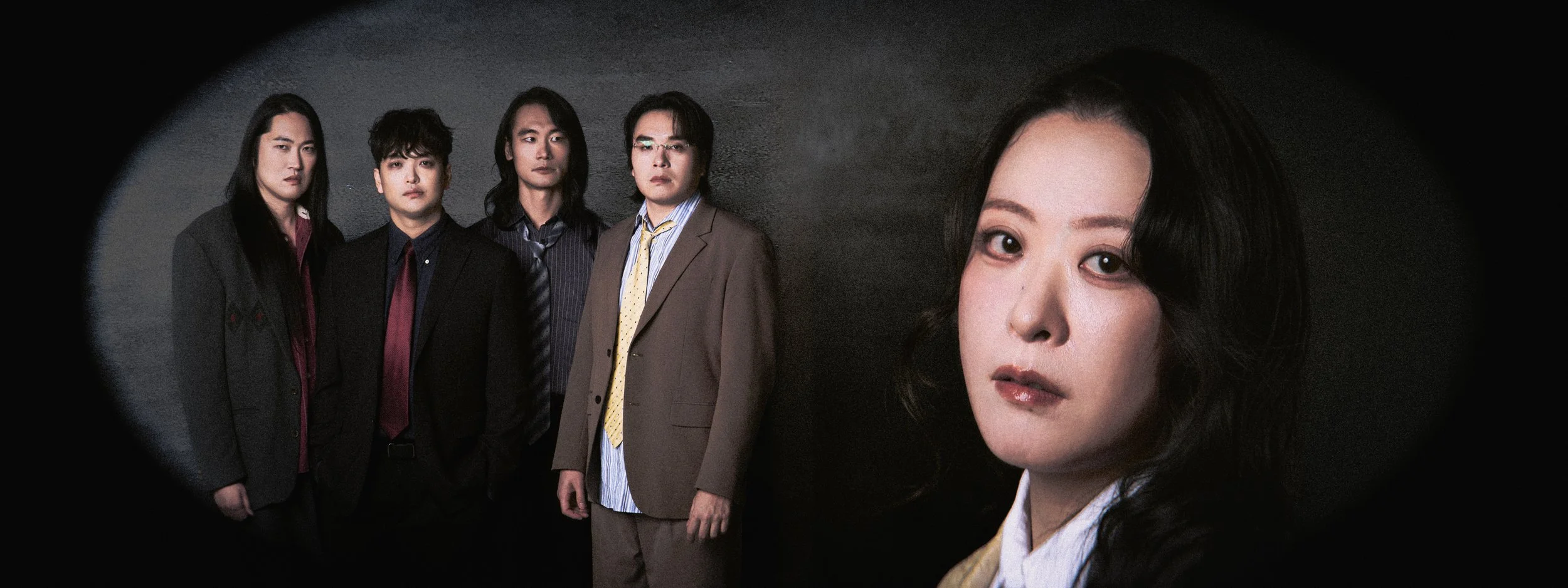
Danpyunsun’s smooth, falsetto singing is one of the band’s defining features. It would be easy to call it international, but he insists the roots are Korean. “I think my vocals are very Korean,” he argues. “It’s just that they’re a bit different from the styles of music these days. I grew up listening to a lot of old Korean pop songs from the 1960s to the 1980s, like the music of Shin Joonghyeon. If you listen to that era, you’ll find many voices that are a curious blend of traditional Korean music and Western pop.”
His much-celebrated lyrics matter, but the band believe the music can stand alone. “Since many of our lyrics are difficult to understand, even for Korean speakers,” says Boram, “I would guess that even Koreans are perceiving the lyrics to some extent through the music.” “I do value lyrics,” adds Danpyunsun, “but only when they sound sufficiently ‘musical.’ I prioritise pronunciation over meaning, and I believe that pronunciation can convey certain emotional nuances.”
Their 2024 debut, Hail to the Music, was heralded as an instant classic. It earned six nominations at the Korean Music Awards, winning two. But it’s the reaction of their peers that has driven them on. “Usually, when an album gets good reviews from critics, it’s because it’s a bit obscure or difficult to understand,” says Rose. “It’s true that our music isn’t exactly easy to listen to. Yet we received tremendous encouragement and support from the many people who came to our shows, and that gave us a huge boost.”
The album has since taken on a life of its own. “Once a creative work leaves our hands,” Boram remarks, “we can no longer fully own it.”
“It’s like Voyager 1, launched from Earth,” agrees Rose. “We created it, and it still communicates with us, but it’s reached places far beyond our reach and continues to journey onward.”
“That album has already become something of a ‘community asset,’” confirms Danpyunsun. “While I wouldn’t call it a huge community, it has become a shared asset for Korean indie fans. I’m incredibly proud that we were able to create such an album.”
Last month, the band released the follow-up, Lovers. In some ways it’s bigger than its predecessor, with more variety and a more densely layered sound. In others, it’s smaller. “If the previous album told a macro-level story,” explains Rose, “this album tells a micro-level story.”
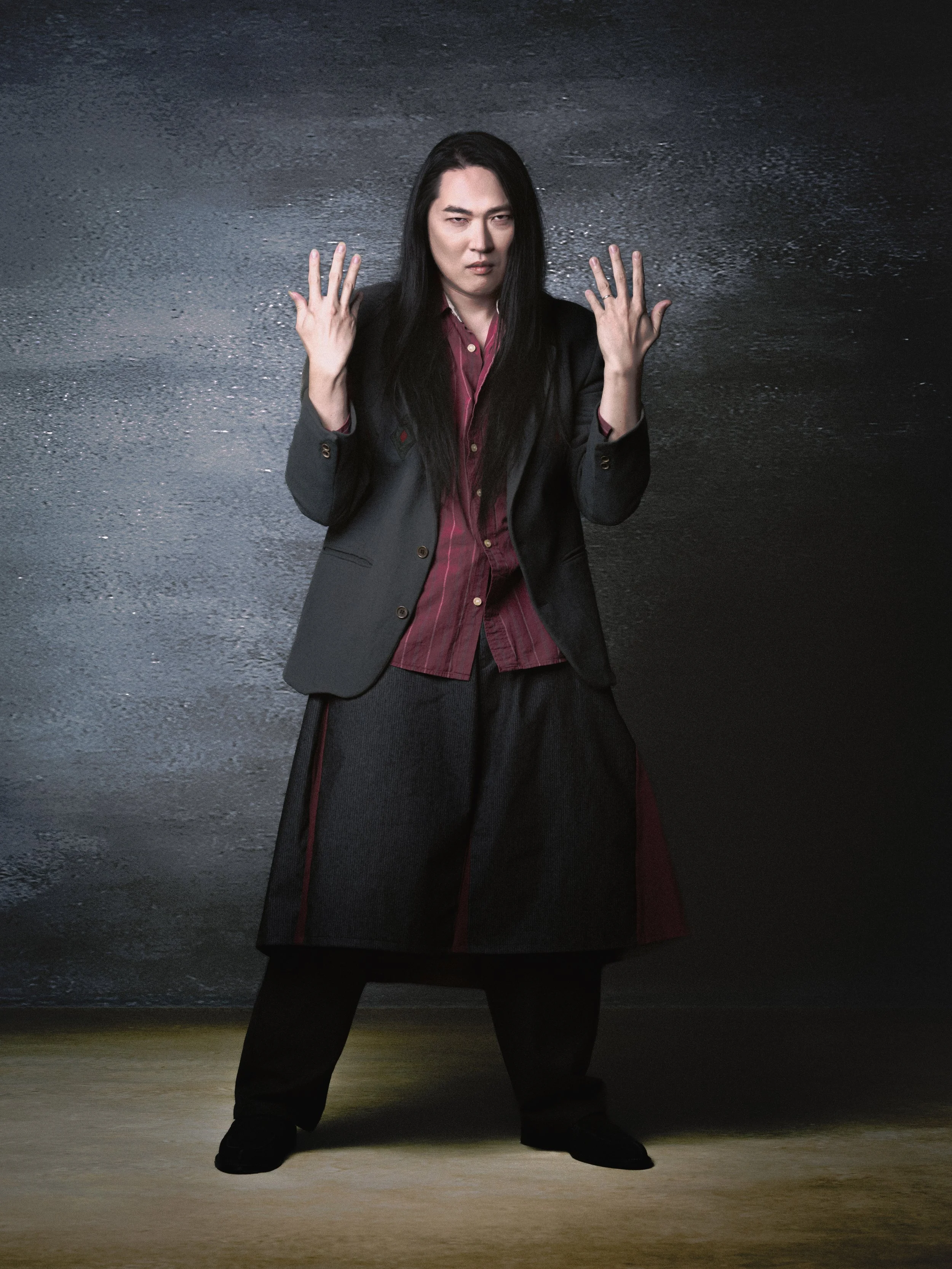
“We focused on enhancing the richness of the songs through electric guitar tone shaping,” says Danpyunsun, “and I think that contributed to the impression that the album is ‘big and colourful.’ As the person leading the arrangements, I paid particular attention to the use of percussion, woodwinds and backing vocals. I believe these elements make the album feel a bit more like a ‘musical.’”
Boram points to the production for the larger sound. “This time, we put more effort into building layers than we did on our debut. We’d like to thank engineer Chun Hak Ju (Mushroom Recording Studio) for accommodating all of our fussy requests to make that happen!”
Live, the band are a phenomenon, having played all of Korea’s major festivals and become a must-see on any lineup. “If I had to pick just one,” shares Rose, “2025 Pentaport stands out for me. You can find out why on track 2 of our Pentaport live album.”
Jaejun picks the DMZ Peace Train Festival. “Before the show, I went on stage thinking, ‘Let’s just have fun!’ rather than ‘I have to do well,’ and that felt great.”
As veterans, they have views on the state of the underground. Rose is excited but cautious. “I believe that the maturity of a society can be gauged by the extent of its respect for and understanding of individuality. I feel that Korea’s indie scene has improved significantly compared to the early 2000s when I first started making music. But there are now many highly skilled musicians, and I also feel there’s been a corresponding decline in music that’s truly unique and fun. I can’t help but wonder if Korea’s characteristic tendency toward stability is beginning to manifest in the indie scene as well.”
Danpyunsun is more optimistic. “I actually think things are getting more interesting than before, because bands with strong voices are emerging. The more buzz, the better. I believe that’s what makes the scene unstable, and that instability creates openings for new music to emerge. I’m always on the side of believing we need more voices.”
Lovers is out now on all major platforms.